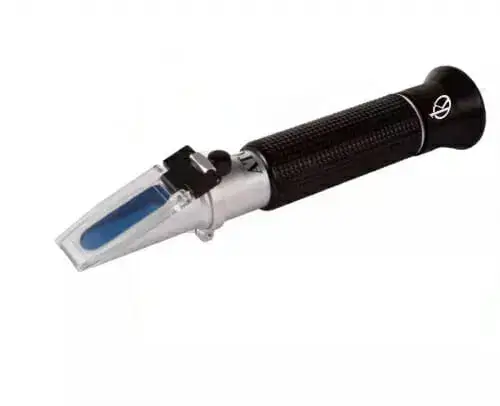
ISO/IEC Standards Compliance in Wine Refractometers: Navigating Regulatory Requirements
In laboratory environments, especially those involved in food and beverage testing, adherence to ISO/IEC standards is crucial. This article delves into the importance of compliance and how specific models of wine refractometers meet these standards, ensuring accuracy and reliability in measurements.
Understanding ISO/IEC Standards Relevant to Wine Refractometers
ISO (International Organization for Standardization) and IEC (International Electrotechnical Commission) establish frameworks that laboratories must follow to ensure quality control and reliability. Compliance with these standards is fundamental for laboratories to maintain their certifications and deliver accurate results. The key standards impacting wine refractometers include ISO 17025 for testing and calibration laboratories, which specifies the general requirements for competence, unbiased results, and continuous improvement.
Laboratories utilizing wine refractometers must ensure equipment like the YR05931, YR05932, YR05933, and YR05934 meet these compliance standards to demonstrate their ability to generate valid results under specified conditions.
Key ISO/IEC Standards for Laboratory Compliance
The following ISO/IEC standards are particularly relevant:
- ISO 17025: Addresses requirements for the competence of testing and calibration laboratories.
- IEC 61010: Outlines safety requirements for electrical equipment used in measurement, control, and laboratory use.
- ISO 15189: Specifies requirements for quality and competence in medical laboratories.
Each of these standards influences how wine refractometers are utilized, calibrated, and maintained to ensure laboratory compliance and reliability.
Compliance and Calibration Practices for Wine Refractometers
Calibration is a critical practice for ensuring accuracy in measurements taken with wine refractometers. Each model, including YR05931, YR05932, YR05933, and YR05934, should undergo regular calibration as per ISO/IEC guidelines. This will help in mitigating errors due to temperature fluctuations and ensure that measurements reflect the true concentration of sugar or alcohol in wine samples.
For instance, the YR05932 model, which offers automatic temperature compensation (ATC), significantly aids in maintaining consistent readings across varying environmental conditions. Calibration intervals must be defined based on the frequency of use, environmental conditions, and specific regulations applicable to the laboratory's operations.
Documentation Requirements for Regulatory Compliance
To comply with ISO/IEC standards, laboratories must maintain meticulous documentation. This includes records of calibration, maintenance, and quality control activities. Each model of wine refractometers should have a detailed log of their calibration history, including the date, results, and any adjustments made. This documentation is essential not only for compliance audits but also for internal reviews and continuous quality improvement initiatives.
Comparison of Available Models
| Model | ISO/IEC Clauses Covered | Traceability Features | Best For |
|---|---|---|---|
| YR05931 | ISO 17025 | Calibration logs, Temperature correction | Alcohol concentration testing |
| YR05932 | ISO 17025 | Automatic Temperature Compensation | Wider range of sugar concentrations |
| YR05933 | ISO 17025 | Calibration logs, Temperature correction | Oechsle scale tests |
| YR05934 | ISO 17025 | Automatic Temperature Compensation | Baumé scale tests |
Common Mistakes and How to Avoid Them
Laboratories often make several common mistakes when it comes to compliance with ISO/IEC standards:
- Infrequent Calibration: Many labs neglect regular calibration schedules. It is crucial to follow a strict calendar, particularly for models like YR05932, which offers advanced features like ATC.
- Insufficient Documentation: Failing to maintain comprehensive records can lead to compliance issues. Each calibration and maintenance action should be documented meticulously.
- Ignoring Environmental Factors: Not accounting for temperature variations can skew results. Using refractometers with built-in ATC features, like the YR05932, can mitigate this problem.
Frequently Asked Questions
How do I ensure my wine refractometer meets ISO 17025 standards?
To ensure compliance with ISO 17025, use a model like YR05931 which includes traceability features and document calibration processes regularly. This includes maintaining logs of calibration results and any necessary adjustments.
What are the benefits of using an ATC wine refractometer for compliance?
Using an ATC wine refractometer, such as the YR05932, helps maintain accuracy across varying temperatures, which is essential for compliance with ISO standards. This feature minimizes errors that could impact regulatory adherence.
Which wine refractometer is best for testing alcohol concentration under ISO standards?
The YR05931 is an excellent choice for testing alcohol concentration under ISO standards as it provides precise readings in compliance with ISO 17025, essential for accurate reporting in laboratories.
How often should I calibrate my wine refractometer to remain compliant?
Calibration frequency depends on usage, but a best practice is to calibrate models like YR05934 at least monthly or before each use for compliance with ISO 17025 standards.
What documentation is required for compliance with ISO 17025 for wine testing?
Documentation should include calibration logs, maintenance records, and test results for models like YR05933, ensuring a comprehensive history that supports compliance with ISO 17025 requirements.
How can I improve accuracy in my wine refractometer measurements?
Improving accuracy can be achieved by using models that feature ATC, such as YR05932, which adjusts for temperature variations and provides consistent results essential for compliance.
What is the importance of traceability in wine refractometer measurements?
Traceability ensures that measurements can be validated against recognized standards. Models like YR05931 provide traceability features necessary for compliance with ISO/IEC standards.
Which wine refractometer is recommended for sugar concentration measurement?
The YR05932 is recommended for measuring sugar concentration due to its dual scale and ATC capabilities, making it compliant with ISO standards for accurate results.
If you are looking for a fusion of innovation and quality, you have come to the right place. At Kalstein, we offer you the luxury of exploring our exclusive catalog of laboratory equipment. We manufacture every device to the highest standards of excellence. Our intuitive and seamless online purchasing channels are designed for your convenience, securing the most competitive prices. Hesitate no longer — we bring science to life, it is time to become part of our community.