Understanding ISO/IEC Standards and Regulatory Compliance in Water Baths
In laboratory settings, water baths are essential tools that require adherence to specific ISO/IEC standards for regulatory compliance. This article delves into the implications of these standards on water baths, particularly focusing on models that align with ISO 17025 and other relevant compliance metrics. Understanding these regulations aids laboratory professionals in selecting appropriate equipment, ensuring safety, and maintaining integrity in testing procedures.
ISO/IEC Standards and Their Importance in Water Baths
ISO/IEC standards such as ISO 17025 dictate the requirements for laboratory competence, including factors like equipment calibration, traceability, and quality assurance. For water baths, compliance not only ensures accurate temperature maintenance but also safeguards the reliability of experimental results. Meeting these standards is crucial for labs pursuing accreditation and maintaining high-quality operations.
Key ISO/IEC Standards Relevant to Water Baths
ISO 17025 emphasizes the importance of equipment control and calibration for laboratories. Compliance with this standard involves regular calibration of water baths to ensure they meet specified temperature accuracy and stability. Additionally, IEC 61010 outlines safety requirements for electrical equipment in laboratories, covering aspects such as thermal hazards and electrical safety, which are critical to prevent accidents.
How Water Baths Meet ISO/IEC Compliance Requirements
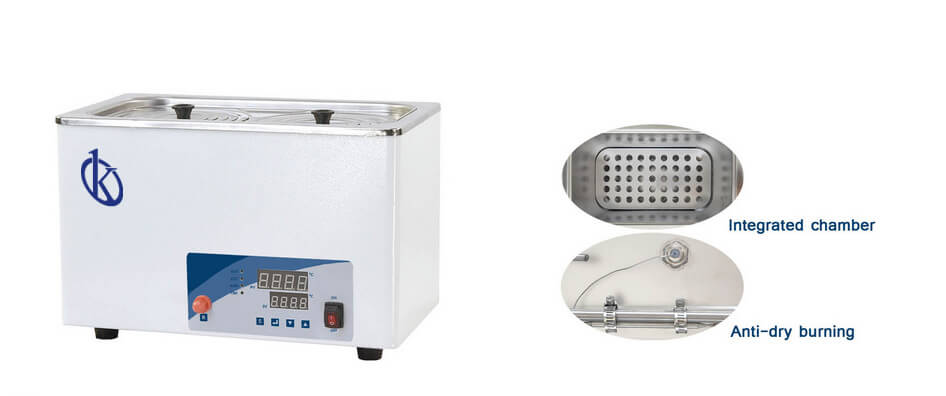
Water baths must incorporate features that align with ISO/IEC standards. For instance, models like the Water Bath YR05073 and YR05074 utilize PID controllers for precise temperature regulation, ensuring they remain within the specified accuracy limits. Furthermore, these models include safety protections against overheating and potential dry burning, thereby enhancing compliance with IEC safety standards.
Comparison of Available Models
| Model | ISO/IEC Clauses Covered | Traceability Features | Best For |
|---|---|---|---|
| YR05073 | ISO 17025, IEC 61010 | PID Control | General laboratory use |
| YR05074 | ISO 17025, IEC 61010 | PID Control | General laboratory use |
| YR030L | ISO 17025 | LCD Control | Biochemical applications |
| YR05001 | ISO 17025 | Closed-loop circulation | Chemical reactors |
Common Mistakes and How to Avoid Them
One common mistake laboratories make is neglecting proper calibration of their water baths, leading to deviations from ISO 17025 requirements. Regular calibration schedules should be established to ensure equipment remains compliant. Additionally, overlooking the importance of safety features as outlined in IEC 61010 can expose operators to risks. It's critical to review the specifications of each water bath model to ensure comprehensive compliance.
Benefits of Compliant Water Baths in Laboratories
Utilizing water baths that comply with ISO and IEC standards presents numerous benefits, such as enhanced accuracy in temperature control, improved safety for users, and increased reliability in test results. For example, models like the YR030L provide precise temperature regulation which is crucial in biochemistry applications, enhancing experimental reproducibility and validity.
Best Practices for Regulatory Compliance in Water Baths
Implementing best practices involves maintaining thorough documentation of calibrations and maintenance schedules, adhering to safety protocols as per IEC 61010, and investing in water baths that integrate advanced control technologies. Utilizing models that feature built-in safety controls, like the Water Bath YR05073, ensures that laboratories can meet compliance requirements while also prioritizing employee safety.
Frequently Asked Questions
How can I ensure my water bath complies with ISO 17025 standards?
To ensure compliance with ISO 17025 standards, regularly calibrate your water bath models, such as the YR05073, according to a documented schedule. Maintain records of all calibrations and ensure traceability of temperature measurements, which is crucial for laboratory accreditation.
What safety features should a compliant water bath have according to IEC 61010?
A compliant water bath, like the YR05074, should include safety features such as overcurrent protection and alarms for overheating. These features mitigate risks associated with thermal hazards and ensure safe operation in laboratory environments.
Which model is best for biochemical applications while meeting ISO standards?
The YR030L model is particularly suitable for biochemical applications, providing reliable temperature control and compliance with ISO standards. Its integrated LCD control allows for precise monitoring, essential for sensitive experiments.
What are the benefits of using PID controllers in water baths for ISO compliance?
PID controllers, found in models like the YR05073, enhance temperature stability and accuracy, crucial for meeting ISO compliance. They allow for fine-tuning temperature responses, reducing fluctuations that could otherwise compromise experimental integrity.
How can I track regulatory compliance for my laboratory equipment?
Maintaining a compliance tracking system that logs calibrations, maintenance, and safety inspections for water bath equipment like the YR05001 can help ensure adherence to standards. Documentation should be readily available for audits and assessments.
Which features make a water bath suitable for compliance with IEC standards?
Features such as closed-loop temperature control, overheating protection, and user-friendly interfaces are essential for compliance with IEC standards. Models like the YR05074 incorporate these features, enhancing safety and operational efficiency in laboratory settings.
What is the role of traceability in laboratory compliance for water baths?
Traceability in water baths, such as the YR030L, ensures that all temperature measurements can be linked back to recognized standards. This is critical for validating results and maintaining compliance with ISO 17025 requirements in laboratory operations.
How often should I calibrate my water bath to meet ISO standards?
Calibration of water baths should be conducted at least annually or more frequently based on usage intensity and regulatory requirements. For instance, models such as the YR05073 should have a detailed calibration schedule to guarantee compliance with ISO standards.
If you are looking for a fusion of innovation and quality, you have come to the right place. At Kalstein, we offer you the luxury of exploring our exclusive catalog of laboratory equipment. We manufacture every device to the highest standards of excellence. Our intuitive and seamless online purchasing channels are designed for your convenience, securing the most competitive prices. Hesitate no longer — we bring science to life, it is time to become part of our community.