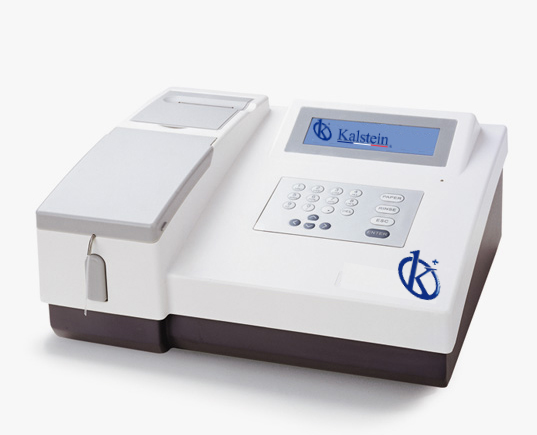
How to Optimize LIMS Integration and Data Digitalization in Chemical Analyzers?
In today’s highly competitive laboratory environment, the integration of Laboratory Information Management Systems (LIMS) with chemical analyzers has become essential for enhancing operational efficiency and data management. This article delves into the intricacies of LIMS integration and digitalization of data workflows, specifically focusing on various chemical analyzers available in the market. By examining the capabilities of these analyzers, laboratories can align their workflows with the latest technological advancements and improve their overall performance.
Understanding LIMS Integration in Chemical Analyzers
LIMS integration allows for seamless data flow between chemical analyzers and laboratory information systems, which is crucial for real-time data access and management. This integration facilitates the automation of data entry, reduces human errors, and enhances compliance with regulatory standards. Key factors to consider when assessing LIMS integration capabilities include connectivity protocols, ease of use, and support for various data formats.
The Importance of Data Digitalization
Digitalization of data in laboratories streamlines processes, enhances traceability, and improves data security. By transitioning to digital workflows, labs can achieve greater accuracy and efficiency in data analysis. Digitalized data can be easily accessed, analyzed, and reported, allowing for faster decision-making. Laboratories can also benefit from data analytics tools that provide insights for improving processes and outcomes.
Key Models of Chemical Analyzers for LIMS Integration
When selecting a chemical analyzer for LIMS integration, it is crucial to consider models that support various connectivity options and data formats. Here are some key models available:
| Model | Connectivity | Protocols Supported | Integration Effort | Best For |
|---|---|---|---|---|
| YR05115 | RS232 | ASTM | Low | General chemistry |
| YR05114 | RS232 | ASTM | Low | Routine testing |
| YR06092 | USB | HL7 | Medium | Field analysis |
| YR06075 | RS232, USB | REST | High | High-throughput labs |
| YR05116 | RS232, USB | ASTM | Medium | Advanced research |
| YR06078 | RS232, USB | REST | Medium | General chemistry |
Comparison of Available Models
| Model | Price (USD) | Test Capacity | Best for | LIMS Integration |
|---|---|---|---|---|
| YR05115 | 800.00 | 80 tests/hour | Routine testing | Easy |
| YR05114 | 950.00 | 80 tests/hour | Routine testing | Easy |
| YR06092 | 150.00 | Field analysis | Portable applications | Medium |
| YR06075 | 12500.00 | 560 tests/hour | High-throughput labs | Advanced |
| YR05116 | 1300.00 | Multiple tests | Advanced research | Medium |
| YR06078 | 1100.00 | General chemistry | Routine testing | Medium |
Common Mistakes and How to Avoid Them
When integrating LIMS with chemical analyzers, laboratories often make common mistakes that can lead to inefficiencies. One major pitfall is underestimating the importance of compatibility between the analyzer and the LIMS software. It is essential to assess whether the chemical analyzer can communicate effectively with the chosen LIMS using the supported protocols. Another mistake is neglecting user training, as staff must be adequately trained to handle the LIMS integration and the analyzer’s functionality to maximize the benefits of the system.
Best Practices for Successful LIMS Integration
To ensure a successful LIMS integration, laboratories should establish a clear plan that outlines the objectives and desired outcomes. Collaboration between IT personnel, laboratory staff, and stakeholders is crucial in achieving a smooth implementation. Additionally, conducting thorough testing of the integration before going live can help identify potential issues. Regular reviews and updates of the system will also enhance its functionality and adaptability to evolving laboratory needs.
Benefits of LIMS Integration in Chemical Analyzers
Integrating LIMS with chemical analyzers offers numerous benefits, including enhanced data accuracy, improved compliance with regulatory standards, and streamlined workflows. This integration allows laboratories to achieve greater efficiency by automating data collection, which reduces the risk of human error. Furthermore, real-time data access enables quicker decision-making and enhances overall laboratory productivity.
Frequently Asked Questions
How does LIMS integration improve the efficiency of chemical analyzers?
LIMS integration improves the efficiency of chemical analyzers, like the YR06075, by automating data entry and reducing human errors. This allows laboratories to process up to 560 tests per hour while maintaining data accuracy, leading to faster turnaround times and improved productivity.
What are the key considerations for choosing a chemical analyzer for LIMS?
When choosing a chemical analyzer for LIMS, consider factors such as connectivity options, supported protocols like ASTM, and the ease of integration. For instance, the YR05115 offers RS232 connectivity, making it a suitable choice for laboratories seeking efficient data management.
Which chemical analyzers are best for compliance with ISO standards?
Models like the YR06075 are designed to help laboratories meet ISO compliance through their advanced features and high throughput capabilities. Their integration with LIMS further enhances traceability and data management, crucial for compliance with ISO standards.
How can I ensure data security during LIMS integration?
To ensure data security during LIMS integration, opt for analyzers like the YR05116 that support secure connections and data encryption protocols. Regular audits and updates to the LIMS software also play a vital role in maintaining data integrity and security.
What is the typical cost range for LIMS-integrated chemical analyzers?
The cost for LIMS-integrated chemical analyzers can range from as low as $150 for portable models like the YR06092 to over $12,500 for high-throughput systems like the YR06075. This varies based on features and capabilities tailored to laboratory needs.
How can I streamline data workflows in my laboratory?
To streamline data workflows, consider utilizing analyzers that offer automated data collection and reporting features, such as the YR06078. Implementing effective training programs for staff on LIMS use and analyzer operation also helps optimize workflow efficiency.
What are the common challenges faced during LIMS integration?
Common challenges during LIMS integration include compatibility issues, user resistance, and insufficient training. Addressing these challenges proactively by conducting thorough assessments and engaging staff in the process can lead to successful integration outcomes.
How do I evaluate the performance of my LIMS-integrated chemical analyzer?
Evaluate the performance of your LIMS-integrated chemical analyzer by monitoring key metrics such as throughput, data accuracy, and turnaround time. Models like the YR06075 allow for detailed tracking of these metrics to ensure optimal performance.
If you are looking for a fusion of innovation and quality, you have come to the right place. At Kalstein, we offer you the luxury of exploring our exclusive catalog of laboratory equipment. We manufacture every device to the highest standards of excellence. Our intuitive and seamless online purchasing channels are designed for your convenience, securing the most competitive prices. Hesitate no longer — we bring science to life, it is time to become part of our community.