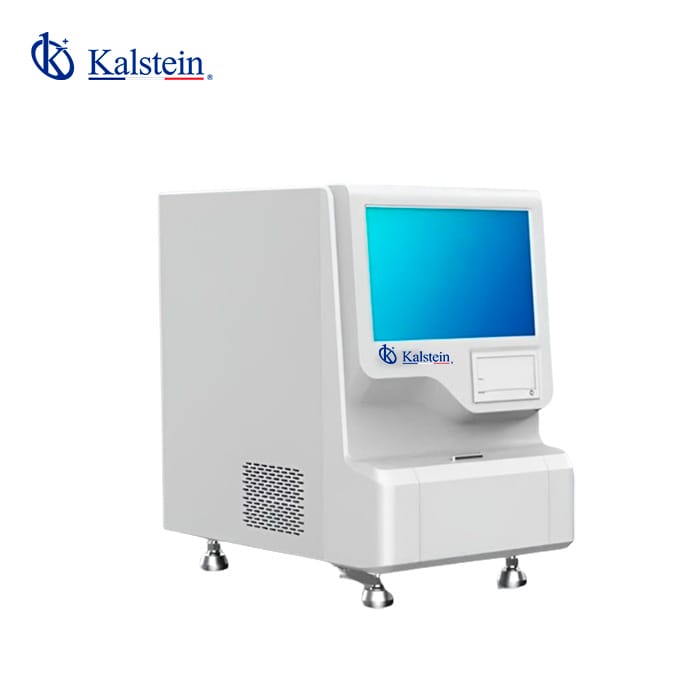
How to Achieve Efficient LIMS Integration with Chemiluminescence Immunoassay Analyzers
In modern laboratories, the integration of Laboratory Information Management Systems (LIMS) with analyzers is paramount for enhancing efficiency, accuracy, and data management. Chemiluminescence immunoassay analyzers, known for their rapid and precise diagnostic capabilities, are increasingly being equipped to seamlessly connect with LIMS. This article delves into the importance of LIMS integration and explores how various models of chemiluminescence immunoassay analyzers facilitate this process.
Understanding the Role of LIMS Integration
LIMS integration serves as the backbone of laboratory automation, enabling laboratories to streamline their operational workflow. By connecting chemiluminescence immunoassay analyzers to LIMS, laboratories can achieve enhanced data accuracy, improved sample tracking, and automated reporting. This integration eliminates manual data entry, reduces errors, and enhances reproducibility, which are crucial in clinical diagnostics.
Benefits of Digitalized Data Flow
The digitalization of data flow in laboratories plays a critical role in ensuring that the data generated by chemiluminescence immunoassay analyzers is processed efficiently. With real-time data transfer to LIMS, laboratories can monitor performance metrics, manage inventory, and conduct data analysis with greater speed and accuracy. This ability to harness data effectively leads to better decision-making and enhanced patient care.
Key Features of Chemiluminescence Immunoassay Analyzers
Different models of chemiluminescence immunoassay analyzers come equipped with features that make them suitable for seamless integration with LIMS. Below are some key features that facilitate this integration:
- Parallel Testing Capability: Models like YR06388 offer 16-channel testing, allowing for high throughput which is vital for busy laboratories.
- Data Storage: The ability to store patient data and quality control data (e.g., YR06387 with up to 100,000 entries) enhances traceability and historical analysis.
- User-Friendly Interfaces: Touchscreen interfaces, as seen in YR06710, simplify the interaction with the analyzers and can be further enhanced through LIMS connectivity.
Comparison of Available Models
| Model | Channels | Data Storage | Best for |
|---|---|---|---|
| YR06387 | 8 | 100,000 entries | Clinical environments requiring flexibility |
| YR06388 | 16 | 100,000 entries | High throughput testing |
| YR06389 | Variable | Not specified | Emergency and outpatient settings |
| YR06390 | Variable | Not specified | High efficiency diagnostics |
| YR06710 | 1-12 | Not specified | Space-limited environments |
Common Mistakes and How to Avoid Them
While integrating chemiluminescence immunoassay analyzers with LIMS, laboratories often encounter several pitfalls, including inadequate training, failure to validate systems, and neglecting to update software regularly. To prevent these issues, it is crucial to provide thorough training for all staff, implement a solid validation protocol, and establish a routine for software updates. Proper planning and execution can ensure that the integration process is smooth and beneficial.
Best Practices for LIMS Integration
To maximize the benefits of LIMS integration with chemiluminescence immunoassay analyzers, labs should consider the following best practices:
- Establish Connectivity Protocols: Ensure that the selected analyzer supports industry-standard protocols like HL7 or ASTM for seamless data exchange.
- Conduct Regular Audits: Regularly review integration performance through audits to identify any bottlenecks or areas for improvement.
- Utilize Middleware: In cases where direct integration is not feasible, middleware can bridge the communication gap between the analyzer and LIMS.
Frequently Asked Questions
What are the benefits of integrating LIMS with chemiluminescence immunoassay analyzers?
Integrating LIMS with chemiluminescence immunoassay analyzers, such as YR06388, improves data accuracy, enhances sample tracking, and automates reporting. This results in reduced manual errors and faster turnaround times, ultimately improving laboratory efficiency.
How does the YR06387 model enhance LIMS integration?
The YR06387 model supports flexible testing and offers extensive data storage capabilities. This feature allows laboratories to maintain compliance and ensure traceability, which is critical when integrated with LIMS.
Which models are best suited for high-throughput labs needing LIMS integration?
The YR06388 model, with its 16-channel testing capability, is particularly suited for high-throughput labs needing efficient LIMS integration. It allows for rapid diagnosis while maintaining accuracy through automated data entry.
How can labs ensure data integrity during LIMS integration with analyzers?
To ensure data integrity during integration, labs should validate the analyzer's data output and implement robust error-checking protocols. Regular audits and utilizing models like YR06390, which offers high reliability, can also help.
What challenges can arise from LIMS integration with chemiluminescence analyzers?
Challenges can include software compatibility issues, inadequate data validation processes, and resistance from staff to adapt to new workflows. Addressing these challenges early through training and proper system planning can mitigate these risks.
How can laboratories improve their workflow with LIMS-integrated analyzers?
By integrating analyzers like the YR06710 with LIMS, laboratories can streamline their workflow, reduce manual entry errors, and optimize data retrieval processes, significantly enhancing operational efficiency.
What are the key considerations when selecting a chemiluminescence analyzer for LIMS integration?
Key considerations include the analyzer's compatibility with existing LIMS, the level of automation it offers, data storage capacity, and its ability to handle the laboratory's specific testing requirements. Models like YR06389 are designed for flexibility in these aspects.
Conclusion and Call to Action
Integrating chemiluminescence immunoassay analyzers with LIMS is crucial for modern laboratory efficiency. By understanding the capabilities of different models and best practices for integration, laboratories can significantly enhance their operational workflows. If you are looking for a fusion of innovation and quality, you have come to the right place. At Kalstein, we offer you the luxury of exploring our exclusive catalog of laboratory equipment. We manufacture every device to the highest standards of excellence. Our intuitive and seamless online purchasing channels are designed for your convenience, securing the most competitive prices. Hesitate no longer — we bring science to life, it is time to become part of our community.