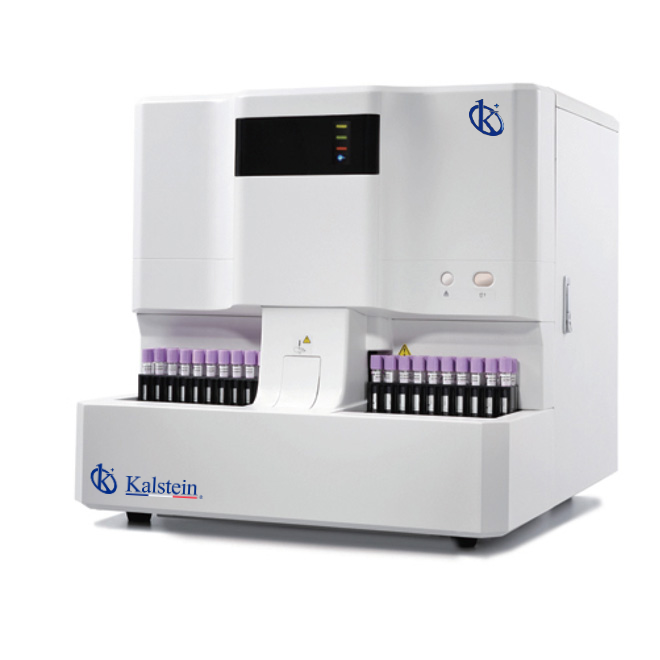
How to Achieve LIMS Integration and Data Flow Digitization with Hematology Analyzers
In the modern laboratory environment, the integration of Hematology Analyzers with Laboratory Information Management Systems (LIMS) is essential for enhancing efficiency and ensuring accurate data flow. This article delves into how various hematology analyzers can streamline laboratory operations through digitalization and seamless data management.
Understanding LIMS Integration in Hematology Analysis
LIMS integration is crucial for the automation of laboratory processes. Hematology analyzers capable of connecting with LIMS allow for real-time data transfer, reducing manual input and potential errors. Integrating advanced analyzers like the YR06080 and YR05123 provides a holistic solution by supporting various connectivity protocols such as HL7 and ASTM.
Benefits of Data Flow Digitization in Hematology
Digitizing data flow in hematology labs offers significant benefits, including improved accuracy, faster processing times, and enhanced data accessibility. Analyzers such as the YR05122-1 and YR05122 feature advanced digital interfaces that facilitate quick data entry and retrieval, ultimately leading to more informed decision-making.
Key Models for LIMS Integration
When choosing a hematology analyzer for LIMS integration, it's essential to consider features such as connectivity options, processing speed, and ease of use. The following models stand out for their capabilities:
- YR06080: Offers advanced connectivity and can process 60 samples/hour, ideal for high-demand environments.
- YR05123: Known for its precision and efficiency with 60 samples/hour processing, making it suitable for busy laboratories.
- YR05122-1: Features extensive storage capacity and supports bi-directional communication, optimizing data management.
Comparison of Available Models
| Model | Connectivity | Protocols Supported | Integration Effort | Best For |
|---|---|---|---|---|
| YR06080 | Yes | HL7, ASTM | Medium | High-Volume Labs |
| YR05123 | Yes | HL7 | Low | Small to Medium Labs |
| YR05122-1 | Yes | ASTM | Medium | Research Labs |
Common Mistakes and How to Avoid Them
Avoiding common pitfalls during the integration of hematology analyzers with LIMS is critical for operational success. One frequent mistake is underestimating the importance of staff training on new systems. Ensuring that laboratory personnel are adequately trained can prevent data entry errors and improve overall efficiency.
Best Practices for LIMS Integration
Implementing best practices can enhance the success of LIMS integration with hematology analyzers. Regular updates to software, establishing clear communication channels among staff, and maintaining a robust backup system for data can significantly enhance operational efficiency.
Frequently Asked Questions
What key features should I look for in a LIMS-integrated hematology analyzer?
When selecting a LIMS-integrated hematology analyzer, look for features such as connectivity options (like HL7 or ASTM), processing capacity (e.g., YR06080's 60 samples/hour), and compatibility with existing systems. These ensure a seamless workflow and reliable data management.
How can digitization improve my laboratory's workflow with hematology analyzers?
Digitization can streamline operations by automating data entry, minimizing errors, and facilitating real-time access to results. For instance, the YR05122-1's capability to store up to 100,000 sample results allows for efficient data retrieval, improving laboratory productivity.
What are the benefits of using the YR06080 hematology analyzer in a busy laboratory?
The YR06080 offers significant advantages for busy laboratories, such as a high processing speed of 60 samples per hour and advanced connectivity options, making it ideal for high-volume settings requiring quick and reliable results.
Which hematology analyzer is best for small to medium-sized labs focusing on LIMS integration?
The YR05123 is well-suited for small to medium-sized labs, providing efficient processing at 60 samples per hour with user-friendly features that facilitate easy integration with LIMS, ensuring that labs can operate efficiently even at lower volumes.
How does the YR05122-1 support data flow in research laboratories?
The YR05122-1 supports data flow in research environments by offering extensive data storage capabilities and bi-directional communication with LIMS, allowing researchers to efficiently manage and analyze larger data sets.
What is the average cost for a LIMS-integrated hematology analyzer?
The average cost for a LIMS-integrated hematology analyzer varies, but models like the YR06080 start around $7000, providing high-end capabilities tailored for labs requiring fast and accurate data processing.
How can I ensure my hematology analyzer complies with LIMS standards?
To ensure compliance, select analyzers that support established protocols like HL7 and ASTM, such as the YR05122-1. Regular audits and staff training on these standards can further enhance compliance measures.
What role does user training play in the successful integration of hematology analyzers with LIMS?
User training is pivotal for the successful integration of hematology analyzers with LIMS. Proper training minimizes operational errors and enhances staff proficiency, ensuring that systems like the YR05123 work effectively within your laboratory's workflow.
If you are looking for a fusion of innovation and quality, you have come to the right place. At Kalstein, we offer you the luxury of exploring our exclusive catalog of laboratory equipment. We manufacture every device to the highest standards of excellence. Our intuitive and seamless online purchasing channels are designed for your convenience, securing the most competitive prices. Hesitate no longer — we bring science to life, it is time to become part of our community.