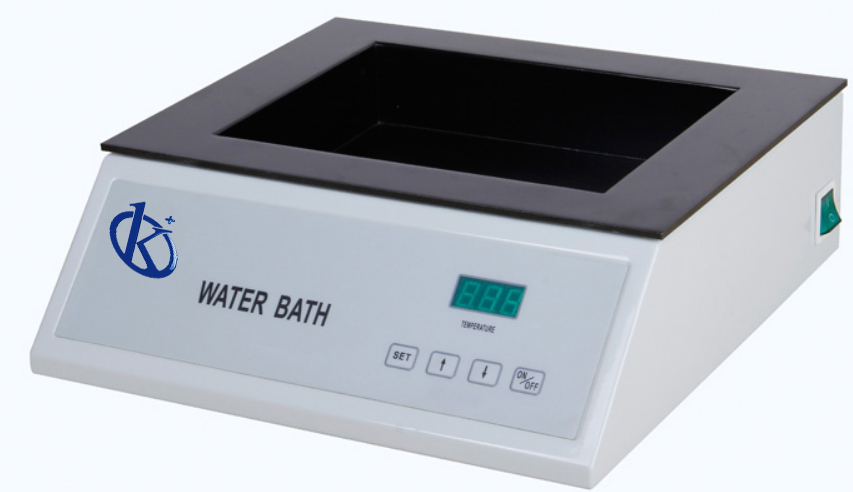
LIMS Integration and Data Flow Digitalization in Tissue Water Baths: A Comprehensive Guide
Tissue water baths play a critical role in the preparation and analysis of biological samples in pathological anatomy laboratories. As laboratories increasingly seek to enhance efficiency and accuracy, the integration of Laboratory Information Management Systems (LIMS) becomes paramount. This article delves into how LIMS integration can streamline workflows, improve data management, and enhance the capabilities of tissue water baths.
Understanding LIMS Integration in Laboratory Settings
Laboratory Information Management Systems (LIMS) are designed to manage samples, associated data, and laboratory workflows. Integrating LIMS with tissue water baths bridges the gap between equipment operations and data management, allowing for seamless data flow, precise temperature control, and enhanced reporting capabilities.
The Importance of Digital Data Flow in Tissue Water Baths
Digital data flow refers to the transfer of information through electronic means, ensuring accuracy and reducing manual entry errors. In the context of tissue water baths, this means real-time monitoring of temperature settings, automated logging of data, and easy access to historical information, significantly enhancing laboratory productivity.
Comparison of Available Models
| Model | Temperature Range | Net Weight | Power Consumption | Best For |
|---|---|---|---|---|
| YR449 | RT to 90 ℃ | 5 kg | 200W | High precision tasks |
| YR451 | 0 - 85 ℃ | 9 kg | 400W | Versatile research applications |
| YR452 | RT - 75 ℃ | 9 kg | 500W | Sample preparation and drying |
How LIMS Integration Enhances Tissue Water Baths
Integrating LIMS with tissue water baths enhances operational efficiency by automating various laboratory processes. For instance, the automatic logging of temperatures (±1℃ precision for models like YR449 and YR451) ensures accurate records without manual intervention. This integration allows for immediate data access, minimizing delays in sample preparation and analysis.
Connectivity Protocols for LIMS Integration
Several connectivity protocols facilitate the integration of tissue water baths with LIMS. Common protocols include ASTM and HL7, which ensure compatibility and data standardization. For example, the YR449 model can be configured to communicate with LIMS systems, allowing temperature data to be sent directly to the laboratory's database.
Data Management and Reporting Capabilities
The integration of LIMS enables enhanced data management capabilities. Laboratories can generate detailed reports that include temperature histories, usage statistics, and compliance checks. This is particularly important for maintaining standards in pathological anatomy, where accurate sample treatment is essential.
Common Mistakes and How to Avoid Them
When integrating tissue water baths with LIMS, laboratories often make mistakes such as failing to define connectivity protocols or overlooking the calibration of devices. To avoid these, it is critical to establish a clear integration plan that includes regular calibration schedules and ongoing staff training on system functionalities.
Maintaining Compliance with Industry Standards
Incorporating LIMS into laboratory processes not only streamlines operations but also helps maintain compliance with industry standards. Each model, such as the YR451, supports temperature regulation within ±1℃, essential for meeting regulatory requirements related to sample handling and storage.
Frequently Asked Questions
How does LIMS integration improve temperature control in tissue water baths?
LIMS integration allows for real-time monitoring and automatic logging of temperature data, which is critical for devices like the YR449, ensuring that temperature control remains within ±1℃ for accurate sample preparation.
What are the key benefits of digital data flow in tissue water baths?
Digital data flow streamlines laboratory processes by reducing manual entry errors and enabling instant access to historical data, particularly beneficial when using models like the YR451.
How can I ensure compliance with ISO standards using tissue water baths?
Implementing LIMS allows laboratories to automatically log temperature data from models such as YR449, helping maintain compliance with ISO standards by ensuring accurate record-keeping and data integrity.
What protocols support LIMS integration with tissue water baths?
Common protocols like ASTM and HL7 facilitate LIMS integration with tissue water baths, allowing models like YR452 to communicate with laboratory information systems for seamless data flow.
What is the average energy consumption of tissue water baths?
The average energy consumption varies by model; for example, the YR451 operates at 400W, making it crucial to factor this into operational costs when integrating with LIMS for efficient resource management.
How does LIMS integration enhance reporting capabilities in the lab?
LIMS integration enables laboratories to generate comprehensive reports that include temperature histories and compliance checks, useful for models like YR449, to support decision-making processes.
What are the common pitfalls in integrating LIMS with laboratory equipment?
Common pitfalls include neglecting regular device calibration and failing to establish clear connectivity protocols, which can be avoided by creating a detailed integration plan for models such as the YR451.
How can LIMS integration help reduce manual work in the lab?
By automating data logging and reporting processes, LIMS integration significantly reduces manual workload in laboratories using tissue water baths, leading to more efficient operations.
If you are looking for a fusion of innovation and quality, you have come to the right place. At Kalstein, we offer you the luxury of exploring our exclusive catalog of laboratory equipment. We manufacture every device to the highest standards of excellence. Our intuitive and seamless online purchasing channels are designed for your convenience, securing the most competitive prices. Hesitate no longer — we bring science to life, it is time to become part of our community.