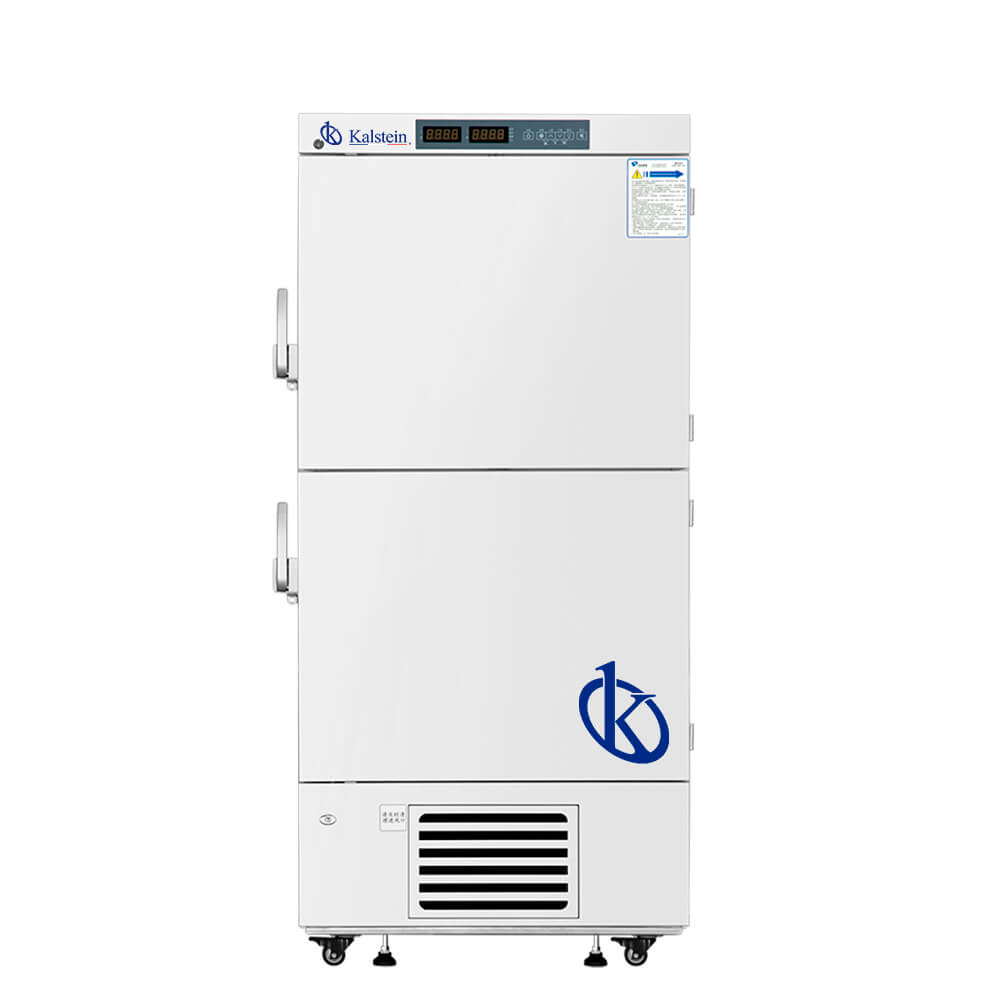
Low Temperature Freezers: Practical Applications and Techniques 2026
Low Temperature Freezers are essential in clinical and hospital laboratories for preserving sensitive materials, such as biological samples, pharmaceuticals, and medical supplies. This article will explore practical applications, best practices, and how these devices are utilized in laboratory workflows in 2026.
What is it used for in 2026
In 2026, Low Temperature Freezers are primarily utilized for the long-term storage of temperature-sensitive samples. Laboratories rely on these freezers to maintain the integrity and stability of biological materials, vaccines, and other critical samples. The ability to reach extremely low temperatures allows laboratories to prevent degradation and extend the shelf life of these materials, which is vital for research, diagnostics, and patient care.
History and evolution of the technology
The evolution of Low Temperature Freezers dates back to the early 20th century when refrigeration technology began to advance. Initially, these freezers were simple units that provided basic cooling capabilities. Over the decades, advancements in cooling technology, insulation, and temperature control have transformed Low Temperature Freezers into sophisticated devices capable of achieving temperatures as low as -40°C. Modern models incorporate features such as digital displays, multiple alarms, and energy-efficiency mechanisms, making them indispensable tools in laboratory settings.
How to use it step by step
Using a Low Temperature Freezer effectively requires following these steps:
- Preparation: Ensure the freezer is installed in a stable environment away from heat sources.
- Power On: Connect the freezer to a power source and turn it on. Allow the unit to reach the desired temperature.
- Loading Samples: Organize samples in appropriate containers, ensuring they are labeled clearly. Place them in the freezer while respecting the maximum load capacity.
- Monitoring: Regularly check temperature readings on the digital display and ensure alarms are functioning.
- Maintenance: Follow a routine maintenance schedule to ensure the freezer operates optimally.
Best techniques and protocols
For optimal performance of Low Temperature Freezers, adhere to the following techniques and protocols:
- Regularly calibrate temperature sensors to maintain accuracy.
- Perform routine preventative maintenance to ensure efficient operation.
- Avoid frequent opening of the freezer doors to minimize temperature fluctuations.
- Organize samples to allow for efficient air circulation within the freezer.
- Document all maintenance and usage logs for compliance and tracking.
Practical applications by laboratory type
Low Temperature Freezers are utilized across various laboratory types for different applications:
- Clinical Laboratories: Storing blood samples, tissue specimens, and pharmaceuticals.
- Research Laboratories: Preserving biological samples, reagents, and experimental materials.
- Pharmaceutical Laboratories: Storing vaccines and temperature-sensitive medications.
- Biobanks: Long-term storage of genetic material and biological samples for research.
Regulations, standards and certifications
Operating Low Temperature Freezers requires adherence to various regulations and standards, including:
- ISO 9001: Quality management systems for consistent service and product quality.
- FDA regulations for the storage of pharmaceuticals and biological materials.
- Local health and safety regulations to ensure proper handling and storage of materials.
Comparison with alternative technologies
Low Temperature Freezers offer distinct advantages over alternative technologies:
- Ultra-Low Freezers: Typically reach lower temperatures, ideal for long-term storage of biological samples.
- Liquid Nitrogen Tanks: Provide very low temperatures but require careful handling and monitoring.
- Regular Freezers: Suitable for general storage but lack the precise temperature control needed for sensitive materials.
Comparison of available models
| Model | Best for | Key specs | Recommended use case |
|---|---|---|---|
| YR05100 | Flexible storage for various sample sizes | Temperature range: -20 ~ -40 °C, Energy consumption: 6.7 kWh/23h | Clinical and research applications requiring adjustable space |
| YR05309 | High reliability with multiple alarm systems | Temperature range: -20 ~ -40 °C, Noise level: 49 dB | Medical supply storage with critical temperature monitoring |
| YR05311 | Laboratory use with independent compartments | Temperature range: -10 ~ -25 °C, Power: 300W | Laboratory and hospital environments needing drawer storage |
Common mistakes and how to avoid them
Common mistakes in using Low Temperature Freezers include:
- Overloading the freezer, which can affect temperature regulation.
- Inadequate labeling of samples, leading to misidentification.
- Ignoring alarms, which can result in sample degradation.
- Neglecting routine maintenance, compromising performance.
Maintenance, calibration and good practices 2026
To ensure longevity and efficiency:
- Conduct quarterly calibrations of the temperature sensors.
- Schedule regular maintenance checks by qualified personnel.
- Keep a detailed log of maintenance and repairs for traceability.
Cost-benefit analysis 2026
Investing in Low Temperature Freezers offers significant benefits:
- Preservation of valuable samples reduces the risk of loss due to degradation.
- Improved research outcomes by maintaining sample integrity.
- Cost savings in the long run by avoiding the need for frequent replacements or repairs.
Frequently asked questions
What are the key factors to consider when choosing a Low Temperature Freezer?
When selecting a Low Temperature Freezer, consider the temperature range, storage capacity, energy efficiency, and additional features such as alarms and digital monitoring systems.
How often should I perform maintenance on my Low Temperature Freezer?
Maintenance should be performed quarterly, including calibration of temperature sensors and inspections for any signs of wear or malfunction.
Can I store different types of samples in the same freezer?
Yes, but it is essential to label samples clearly and avoid overloading to ensure optimal temperature control and avoid cross-contamination.
What should I do if the temperature alarm goes off?
Immediately check the freezer's temperature display and verify that the door is sealed properly. Investigate the cause of the alarm, and if necessary, transfer samples to another freezer until the issue is resolved.
Are Low Temperature Freezers energy efficient?
Many modern Low Temperature Freezers are designed with energy efficiency in mind, incorporating advanced insulation and compressor technology to reduce energy consumption.
What is the average lifespan of a Low Temperature Freezer?
The average lifespan can vary, but with proper maintenance, a Low Temperature Freezer can last 10-15 years.
How can I request a quote for a Low Temperature Freezer?
You can request a quote by contacting our sales team or visiting our product catalog to find detailed pricing information.
If you are looking for a fusion of innovation and quality, you have come to the right place. At Kalstein, we offer you the luxury of exploring our exclusive catalog of laboratory equipment. We manufacture every device to the highest standards of excellence. Our intuitive and seamless online purchasing channels are designed for your convenience, securing the most competitive prices. Hesitate no longer — we bring science to life, it is time to become part of our community.