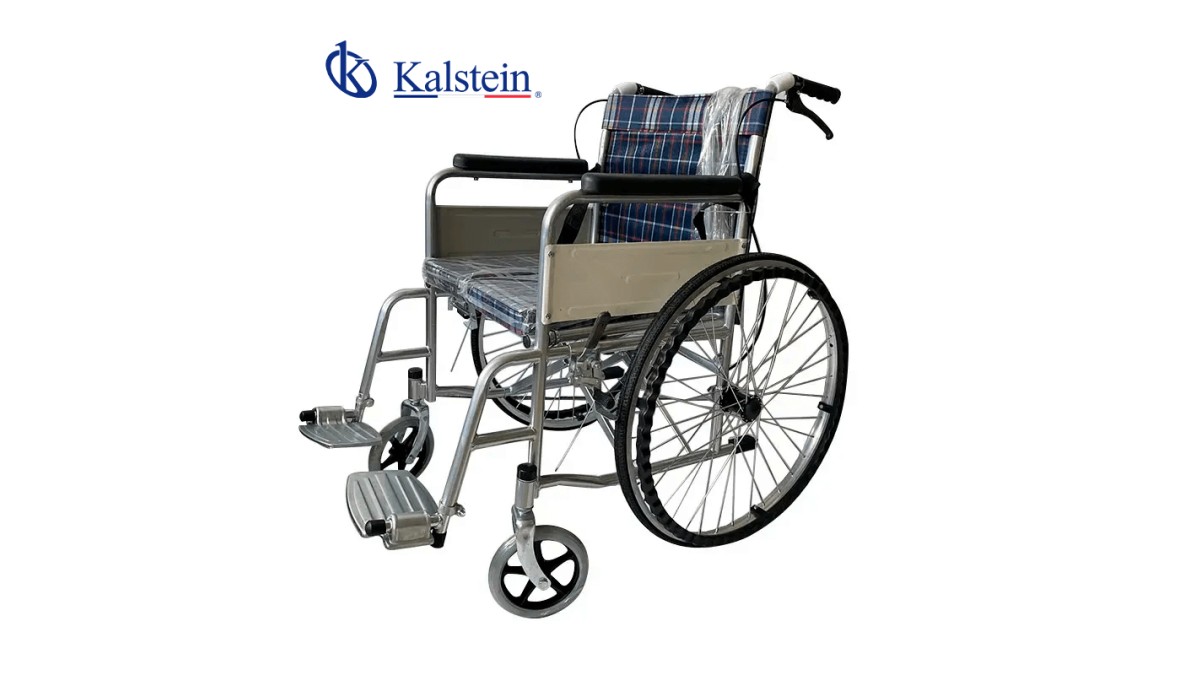
Manual Wheelchairs: Practical Applications and Techniques 2026
Manual wheelchairs play a crucial role in enhancing mobility and providing accessibility for individuals with physical disabilities. In clinical and hospital laboratories, understanding their practical applications and techniques can significantly improve patient care and operational efficiency. This article delves into the various aspects of manual wheelchairs, including their uses, history, best practices, and comparisons between different models available in 2026.
What is it used for in 2026
In 2026, manual wheelchairs are primarily used to assist individuals with mobility impairments in moving around clinical and hospital environments. They facilitate seamless transitions between different healthcare services, such as diagnostics, therapies, or rehabilitation. Additionally, manual wheelchairs are essential for providing independence to users while enabling caregivers to transport patients efficiently.
History and evolution of the technology
The development of manual wheelchairs can be traced back to the early 20th century when the first designs aimed at improving mobility for individuals with disabilities emerged. Over the decades, advancements in materials, ergonomics, and technology have led to the production of more lightweight, durable, and user-friendly models. The evolution of manual wheelchairs reflects a significant shift towards enhancing user comfort, control, and accessibility, with innovations such as folding frames and adjustable components now commonplace.
How to use it step by step
Using a manual wheelchair effectively involves the following steps:
- Adjust the wheelchair: Ensure the seat height, armrests, and footrests are adjusted to suit the user's needs.
- Position the user: Safely assist the user into the wheelchair, ensuring they are comfortably seated with proper back support.
- Engage the brakes: Before transferring or adjusting, always engage the brakes to prevent movement.
- Steer and propel: Use hand rims to propel the wheelchair, steering by adjusting the force applied to each side. Ensure the user maintains posture for optimal balance.
- Navigating obstacles: Carefully approach ramps, doorways, and uneven surfaces, employing techniques such as leaning forward to maintain stability.
- Safety considerations: Always ensure that the wheelchair is in good condition and that the user wears seat belts when necessary.
Best techniques and protocols
Adopting the best techniques and protocols when using manual wheelchairs can greatly enhance user safety and comfort:
- Regularly check wheelchair components for wear and tear.
- Utilize ergonomic lifting techniques for manual transfers.
- Engage users in their mobility decisions to enhance their comfort and confidence.
- Train staff on wheelchair operation, maintenance, and safety protocols.
Practical applications by laboratory type
Different laboratory settings may utilize manual wheelchairs in unique ways:
- Clinical Laboratories: Facilitate patient transfer during diagnostics and blood sample collection.
- Rehabilitation Centers: Provide mobility aids for therapy sessions, aiding in patient recovery and assessment.
- Hospital Settings: Assist patients navigating hospital corridors, ensuring smooth transitions to treatment areas.
Regulations, standards and certifications
Manual wheelchairs are subject to various regulations and standards to ensure safety and performance. In most regions, they must comply with standards set by organizations such as the ISO (International Organization for Standardization) and ASTM (American Society for Testing and Materials). Regular certifications are necessary to guarantee that products meet safety benchmarks, and healthcare providers should ensure compliance with local regulations regarding assistive devices.
Comparison with alternative technologies
While manual wheelchairs remain popular, several alternative mobility technologies have emerged:
- Electric Wheelchairs: Provide powered mobility for users with limited upper body strength but require charging and maintenance.
- Scooters: Often used for outdoor mobility, offering larger wheels and storage but may be less maneuverable indoors.
- Walkers and Rollators: Suitable for users seeking assistance with walking rather than full seating mobility.
Comparison of available models
| Model | Best for | Key specs | Recommended use case |
|---|---|---|---|
| YR05450 | Basic mobility needs | Width: 46cm, Depth: 45cm, Height: 51cm | Ideal for short-distance indoor use. |
| YR05451 | Compact design | Width: 44cm, Depth: 39cm, Height: 47cm | Best for narrow spaces and travel. |
| YR05456 | Adjustable height | Width: 45cm, Length: 92-165cm | Useful for varied user heights and comfort. |
| YR05452 | Lightweight portability | Width: 42.5cm, Depth: 39cm | Best for users needing frequent transport. |
| YR05454 | Sturdy design | Width: 46cm, Depth: 45cm, Height: 51cm | Ideal for heavier users or outdoor use. |
| YR05453 | Robust structure | Width: 46mm, Height: 900mm | Preferred for durability and regular use. |
Common mistakes and how to avoid them
Several common mistakes can impact the safe use of manual wheelchairs:
- Neglecting regular maintenance can lead to malfunctions.
- Improper adjustment of seating can cause discomfort or injury.
- Failing to use brakes or safety belts during transfers.
- Overloading the wheelchair beyond its weight capacity.
Maintenance, calibration and good practices 2026
To ensure optimal performance in 2026, follow these maintenance guidelines:
- Inspect wheel alignment regularly for smooth operation.
- Lubricate moving parts to prevent wear.
- Check the condition of wheels and brakes for safety.
- Clean the wheelchair frame and upholstery to maintain hygiene.
Cost-benefit analysis 2026
When considering manual wheelchairs, it is essential to evaluate the cost against the benefits:
- Generally, manual wheelchairs have lower upfront costs compared to electric models.
- They require less maintenance and fewer long-term expenses.
- Manual wheelchairs provide users with exercise through self-propulsion, promoting better health.
Frequently asked questions
What should I consider when choosing a manual wheelchair?
Factors to consider include the user's specific needs, weight capacity, ease of transport, and intended use (indoor or outdoor).
How can I ensure a proper fit for wheelchair users?
Adjust the seat height, armrest, and footrests based on the user's measurements to ensure comfort and support.
What are the best practices for transferring a user to and from a wheelchair?
Use proper lifting techniques, engage the wheelchair's brakes, and ensure the user is positioned securely before transferring.
How often should I maintain a manual wheelchair?
Regular maintenance should be performed at least once a month, with checks on wheels, brakes, and overall condition.
Are there any specific safety features to look for in a wheelchair?
Look for wheel locks, adjustable armrests, and safety belts to enhance user security.
How can I improve the mobility of a manual wheelchair in tight spaces?
Choose a model with a compact design and consider using proper maneuvering techniques to navigate through narrow areas.
Where can I purchase a quality manual wheelchair?
Consider reputable suppliers that focus on medical and mobility equipment, ensuring they offer after-sales support.
If you are looking for a fusion of innovation and quality, you have come to the right place. At Kalstein, we offer you the luxury of exploring our exclusive catalog of laboratory equipment. We manufacture every device to the highest standards of excellence. Our intuitive and seamless online purchasing channels are designed for your convenience, securing the most competitive prices. Hesitate no longer — we bring science to life, it is time to become part of our community.