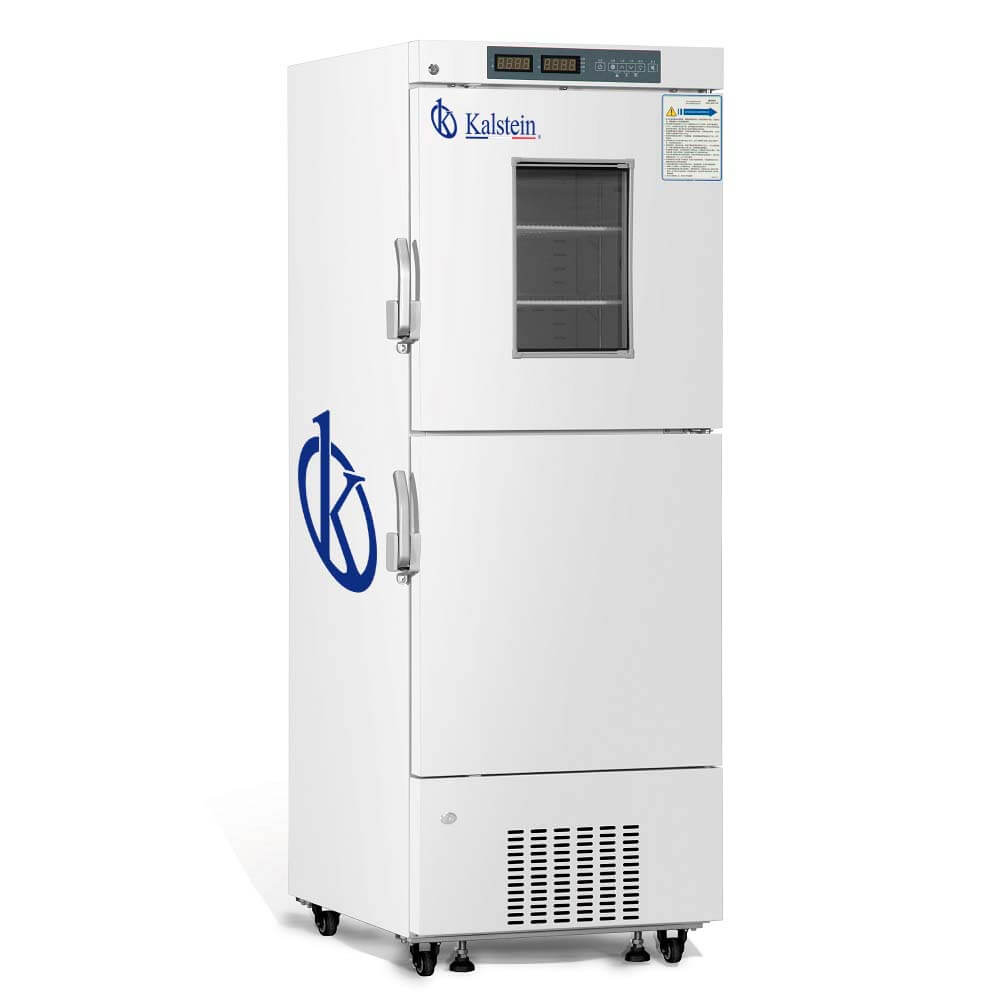
Maximizing Laboratory ROI and Cost-Benefit Analysis for Combined Freezers
In contemporary laboratory settings, equipment such as combined freezers plays a pivotal role in preserving biological materials, sensitive reagents, and vaccines. However, the financial implications of these investments necessitate a thorough understanding of return on investment (ROI) and cost-benefit analysis. This article delves into the economic aspects of utilizing combined freezers—specifically examining multiple models to inform laboratory professionals on making cost-effective decisions.
Understanding ROI and Cost-Benefit Analysis in Laboratories
ROI is a key metric that helps laboratory managers assess the profitability of their equipment purchases. It measures the gain or loss generated relative to the cost of the investment. A comprehensive cost-benefit analysis further examines both tangible and intangible factors associated with using laboratory equipment. By focusing on combined freezers, laboratories can quantify savings through reduced reagent waste, energy consumption, and enhanced sample preservation.
Importance of Combined Freezers in Laboratory Settings
Combined freezers serve dual purposes in laboratories, providing both refrigeration and deep freezing capabilities. This versatility allows for the optimal storage of various materials including plasma, vaccines, and other sensitive biological specimens. By effectively managing temperature ranges and preserving samples, laboratories can maintain compliance with industry standards while maximizing usage efficiency.
Comparison of Available Models
| Model | Initial Cost (USD) | Energy Consumption (kWh/24h) | Temperature Range (°C) | Best Use Case |
|---|---|---|---|---|
| YR05320 | 1415.00 | 4.15 | -20 to -40 (F), 2 to 8 (R) | Pharmacy and plasma storage |
| YR05321 | 1060.00 | 3.03 | -10 to -25 (F), 2 to 8 (R) | Blood stations and laboratories |
| YR05321-1 | 745.00 | N/A | 2 to 8 (R), -10 to -25 (F) | Laboratories with dual temperature needs |
Cost-Benefit Analysis: Key Metrics
To effectively analyze the cost-benefit of combined freezers, it is essential to consider several key financial metrics. Below is an outline of how to assess the investment:
- Initial Investment: Total cost to purchase the freezer.
- Operating Costs: Energy consumption, maintenance, and potential repairs.
- Quantifiable Savings: Reduced waste from expired materials due to better storage conditions.
- ROI Calculation: Using the formula (Net Profit / Cost of Investment) x 100.
Common Mistakes and How to Avoid Them
Laboratory managers frequently encounter challenges when implementing new equipment such as combined freezers. Common mistakes include:
- Underestimating Total Costs: Always consider long-term operational costs, not just the initial purchase price.
- Ignoring Compliance Requirements: Ensure that the selected model meets all standards for laboratory storage.
- Inadequate Training: Provide comprehensive training for staff to maximize the use and maintenance of the freezer.
FAQs
What is the ROI for the YR05320 combined freezer in a pharmacy setup?
The YR05320 combined freezer, with an initial cost of $1415.00, can yield significant ROI if utilized for plasma and vaccine storage. Savings are derived from reduced waste due to optimal temperature management.
How does energy consumption affect the cost of operating a combined freezer?
Energy consumption is crucial for operational costs. For example, the YR05321 consumes 3.03 kWh/24h. Keeping track of this metric allows laboratories to calculate long-term energy costs effectively.
Which combined freezer model is best for blood storage in hospitals?
The YR05321 model is ideal for blood storage, offering a temperature range of -10 to -25 °C, aligning with the requirements for maintaining blood products safely.
How can I determine the best use case for each combined freezer model?
Evaluating the specific temperature ranges and storage capabilities of each model can guide decisions. For example, the YR05321-1 is suitable for laboratories needing dual temperature settings.
What are the key factors in performing a cost-benefit analysis for combined freezers?
Key factors include initial costs, operating expenses, potential savings from waste reduction, and compliance with storage standards. This comprehensive approach ensures informed decision-making.
How do I calculate the payback period for a combined freezer investment?
The payback period is calculated by dividing the initial investment by the annual savings generated from the freezer. For instance, if the YR05321 saves $500 annually, the payback period would be approximately 2.12 years.
What compliance standards should my combined freezer meet for laboratory use?
Combined freezers should meet specific industry compliance standards, such as ISO 17025 for testing and calibration laboratories, ensuring high-quality storage conditions for sensitive materials.
How do I ensure my laboratory is making the best financial decisions regarding equipment?
Regularly performing ROI calculations and cost-benefit analyses on equipment like combined freezers ensures that laboratories can assess financial decisions accurately and make adjustments where necessary.
If you are looking for a fusion of innovation and quality, you have come to the right place. At Kalstein, we offer you the luxury of exploring our exclusive catalog of laboratory equipment. We manufacture every device to the highest standards of excellence. Our intuitive and seamless online purchasing channels are designed for your convenience, securing the most competitive prices. Hesitate no longer — we bring science to life, it is time to become part of our community.