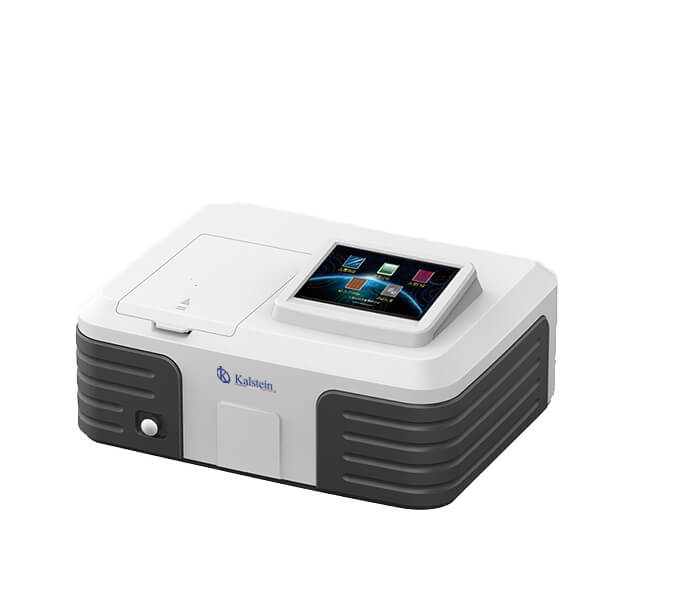
Maximizing Return on Investment: Cost-Benefit Analysis for Double Beam Spectrophotometers
In laboratories, the equipment used plays a crucial role in determining both efficiency and cost-effectiveness. Double beam spectrophotometers are essential tools in various analytical applications, from biochemical assays to environmental monitoring. Understanding the return on investment (ROI) and conducting a thorough cost-benefit analysis is critical for laboratory managers and decision-makers.
Understanding Double Beam Spectrophotometers
Double beam spectrophotometers offer superior stability and accuracy compared to their single beam counterparts. These instruments measure the intensity of light absorbed by a sample across a wide wavelength range, typically from 190 to 1100 nm. The dual-path design minimizes variations in light intensity due to fluctuations in the light source, ensuring more accurate measurements.
Key models covered in this analysis include:
- YR01858: Known for its extensive data analysis capabilities including calibration curve establishment and spectral scanning.
- YR01862: Features a dual optical path and touch screen for user-friendly operation and advanced data handling.
- YR01862-1: Offers full wavelength scanning capabilities and enhanced stability with a sealed design for reduced parasitic light.
- YR01862-2: Similar to YR01862-1 with additional advanced connectivity options including Bluetooth.
- YR01864: Focuses on high-resolution measurements with a long optical path design that enhances performance for sensitive assays.
- YR01865: Shares similar features with YR01864, emphasizing robust software capabilities for versatile laboratory applications.
Cost-Benefit Analysis Framework
When considering the acquisition of double beam spectrophotometers, a detailed cost-benefit analysis should include the following components:
- Initial Investment (CAPEX): The upfront cost of the equipment, including installation and training.
- Operational Costs (OPEX): Recurring costs associated with maintenance, consumables, and utilities.
- Efficiency Gains: Increased throughput and accuracy leading to enhanced productivity.
- Time Savings: Reduction in analysis time resulting from faster measurement capabilities.
- Compliance and Quality Assurance: Ensuring adherence to relevant standards and improving reliability of results.
Comparison of Available Models
| Model | Initial Investment (USD) | Cost per Test (USD) | Payback Period (Months) | Recommended Scenario |
|---|---|---|---|---|
| YR01858 | $2500.00 | $0.50 | 12 | General laboratory usage |
| YR01862 | $3150.00 | $0.60 | 10 | Advanced research applications |
| YR01862-1 | $3550.00 | $0.55 | 11 | High-precision assays |
| YR01862-2 | $3380.00 | $0.58 | 10 | Flexible laboratory environments |
| YR01864 | $3080.00 | $0.52 | 12 | Routine analytical testing |
| YR01865 | $3440.00 | $0.54 | 11 | Complex biochemical analyses |
Common Mistakes and How to Avoid Them
When conducting a cost-benefit analysis for double beam spectrophotometers, laboratory professionals often make several common mistakes:
- Neglecting Total Cost of Ownership: Focusing solely on the initial purchase price without considering maintenance, consumables, and operational costs can lead to unexpected expenses.
- Ignoring Calibration and Maintenance Requirements: Underestimating the importance of regular calibration can affect the accuracy of results and lead to poor decision-making.
- Failing to Evaluate User Requirements: Not assessing the specific needs of laboratory applications can result in selecting a suboptimal model that does not meet performance expectations.
Understanding the Impact of ROI
ROI is a critical metric for evaluating the effectiveness of laboratory investments. To calculate ROI for a double beam spectrophotometer, consider the following formula:
ROI (%) = (Net Profit / Cost of Investment) x 100
Net profit can be derived from increased test throughput and reduced operational costs attributable to the new equipment. For instance, if the YR01862 model reduces analysis time by 20%, the laboratory can process more samples in the same timeframe, translating to increased revenue.
Optimizing Laboratory Efficiency with Double Beam Spectrophotometers
Implementing double beam spectrophotometers can significantly enhance laboratory efficiency. Factors contributing to this improvement include:
- Speed of Analysis: Leveraging high-speed measurements allows for more samples to be processed within a given time frame.
- Precision and Accuracy: The dual beam configuration reduces error margins, which is critical for quantitative analysis.
- Integration with Laboratory Systems: Modern models often come with capabilities for integration with Laboratory Information Management Systems (LIMS), streamlining data management and analysis.
Frequently Asked Questions
What is the average lifespan of a double beam spectrophotometer like YR01862?
The average lifespan of a double beam spectrophotometer, such as the YR01862, is typically around 7-10 years, depending on usage and maintenance practices.
How does the YR01858 compare in terms of ROI to other double beam models?
The YR01858 model offers a competitive ROI due to its lower initial cost of $2500.00 and efficient operation, achieving payback in approximately 12 months.
Which double beam spectrophotometer is best for rigorous scientific research?
For rigorous scientific research, the YR01862-1 is often recommended due to its extended wavelength range and superior optical stability.
What are the maintenance requirements for the YR01864 model?
The YR01864 model requires regular calibration and cleaning of optical components to maintain accuracy and prolong its lifespan, typically every six months.
How can I enhance throughput with a double beam spectrophotometer?
Enhancing throughput with a double beam spectrophotometer can be achieved by optimizing sample processing workflows and utilizing high-speed measurement capabilities for models like the YR01862.
What are the key features of the YR01865 that improve productivity?
The YR01865 model includes advanced software features that facilitate batch processing and real-time data analysis, significantly improving productivity in laboratory settings.
What factors should I consider when choosing a double beam spectrophotometer?
When choosing a double beam spectrophotometer, consider factors such as initial cost, operational efficiency, required wavelength range, and integration with existing laboratory systems.
How does the design of a double beam spectrophotometer affect its performance?
The design of a double beam spectrophotometer, such as the YR01862-2, affects performance by minimizing optical deviations and enhancing stability, leading to more accurate readings.
If you are looking for a fusion of innovation and quality, you have come to the right place. At Kalstein, we offer you the luxury of exploring our exclusive catalog of laboratory equipment. We manufacture every device to the highest standards of excellence. Our intuitive and seamless online purchasing channels are designed for your convenience, securing the most competitive prices. Hesitate no longer — we bring science to life, it is time to become part of our community.