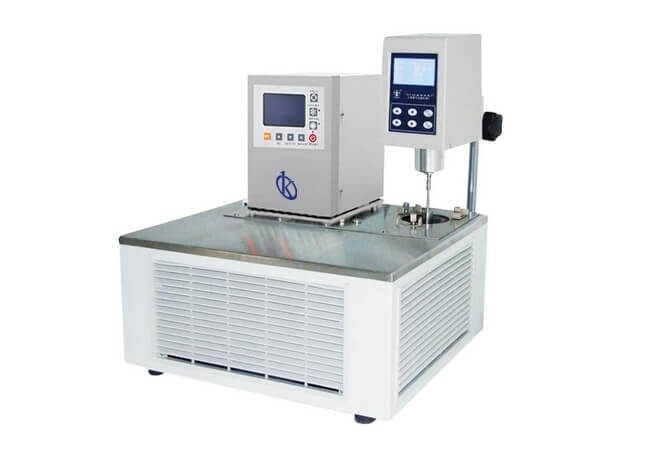
Maximizing ROI Through Cost-Benefit Analysis of Bath Circulators
In laboratory settings, understanding the return on investment (ROI) and conducting a thorough cost-benefit analysis is crucial for making informed equipment purchasing decisions. This article focuses on bath circulators, which are an essential tool in many lab applications. By examining the key features and performance of various models, we aim to provide insights into optimizing laboratory efficiency and achieving better cost outcomes.
Understanding the Importance of ROI in Laboratory Equipment
ROI is a measure of the profitability of an investment compared to its cost. In the laboratory context, it evaluates how effectively equipment contributes to achieving operational goals and driving revenue. Bath circulators, used for precise temperature control in applications such as chemical synthesis and viscosity testing, can have a significant impact on a lab's efficiency and overall productivity. Understanding the ROI of these instruments is vital for strategic planning.
Cost-Benefit Analysis: Key Components for Bath Circulators
Conducting a cost-benefit analysis involves comparing the expected benefits of purchasing a bath circulator against the costs incurred over its lifecycle. This includes initial investment (CAPEX), ongoing operational expenditures (OPEX), and projected savings or revenue generated through increased efficiency. Key components include:
- Initial Cost: The purchase price of the bath circulator.
- Operational Efficiency: How the circulator reduces time or resources spent on experiments.
- Maintenance Costs: Regular servicing and potential repairs.
- Energy Consumption: The cost associated with power usage during operation.
Comparison of Available Models
| Model Code | Initial Cost (USD) | Temperature Range (°C) | Stability (°C) | Best Use Case |
|---|---|---|---|---|
| YR04985 | 583.00 | -5 to 99.9 | ±0.1 | Viscosity testing |
| YR04999 | 1367.00 | -30 to 100 | ±0.05 | Electronic component testing |
| YR04996 | 867.00 | -5 to 100 | ±0.05 | Varied applications |
| YR04988 | 617.00 | -20 to 100 | ±0.05 | Chemical synthesis |
| YR04989 | 717.00 | -30 to 100 | ±0.05 | Life sciences experiments |
| YR04986 | 500.00 | -5 to 100 | ±0.05 | General laboratory use |
Assessing Operational Efficiency Through Model Features
When selecting a bath circulator, consider features that contribute to operational efficiency. For instance, the YR04999 model offers a wide temperature range and exceptional stability, making it ideal for electronic component testing where precision is critical. Alternatively, the YR04985 is designed for viscosity testing and excels in applications requiring high temperature control accuracy. By evaluating these features against lab requirements, organizations can make informed choices that enhance productivity.
Calculating Payback Periods for Bath Circulators
The payback period is the time required for an investment to generate enough returns to recover its initial cost. By analyzing operational data, labs can estimate how quickly a bath circulator will pay for itself. For example, if a lab invests $1,000 in a YR04996 model and saves $150 per month through increased efficiency, the payback period would be approximately 6.67 months. Calculating these periods can guide investment decisions and budgeting.
Common Mistakes and How to Avoid Them
When evaluating bath circulators, labs often make critical errors that can lead to unsatisfactory investments. Common mistakes include:
- Failing to assess total operational costs
- Not considering the specific application needs
- Overlooking energy consumption and efficiency ratings
- Neglecting to factor in maintenance requirements
To avoid these pitfalls, labs should conduct thorough research, budget for ongoing costs, and consult with experienced professionals before making a purchase decision.
Frequently Asked Questions
What is the expected ROI from using a YR04999 bath circulator in a laboratory?
The expected ROI from a YR04999 bath circulator can be significant, especially for labs focused on electronic component testing. With an initial cost of $1,367 and a payback period of approximately 6.67 months, labs can optimize their processes and achieve higher accuracy, leading to potential revenue increases.
How do energy costs impact the ROI of bath circulators like the YR04986?
Energy costs directly influence the ROI of bath circulators. The YR04986, with a nominal price of $500, can help reduce overall consumption if used efficiently. Calculating the energy consumption per run can reveal savings that enhance ROI over time.
Which features of the YR04988 model enhance its cost-effectiveness in lab applications?
The YR04988 model stands out for its PID temperature control and low noise levels, which enhance cost-effectiveness. With a price of $617, its ability to maintain a constant temperature range improves reliability in chemical synthesis applications, ultimately benefiting the lab's operational efficiency.
How does the stability of temperature affect savings with the YR04999 circulator?
Temperature stability, rated at ±0.05°C for the YR04999 model, affects savings by reducing the number of failed experiments and re-runs. This precision translates to significant cost savings in terms of materials and labor over time, affirming the long-term investment value.
What is the importance of maintenance costs for bath circulators like the YR04985?
Maintenance costs are crucial for models like the YR04985, priced at $583. Regular servicing ensures optimal performance and longevity, reducing unexpected breakdowns and associated costs, which can impact the overall ROI positively.
What role does the initial cost play in the overall ROI of a bath circulator purchase?
The initial cost is a critical factor in calculating ROI. For instance, the YR04996 costs $867, which sets the baseline for ROI calculations. Understanding how this initial investment correlates with performance and savings over time helps labs make better purchasing decisions.
How can labs calculate the payback period for bath circulators effectively?
Labs can calculate the payback period by identifying the initial cost of the bath circulator and estimating monthly savings from improved efficiencies. For example, a YR04989 circulator at $717 might save a lab approximately $100 monthly, resulting in a payback period of about 7.17 months.
If you are looking for a fusion of innovation and quality, you have come to the right place. At Kalstein, we offer you the luxury of exploring our exclusive catalog of laboratory equipment. We manufacture every device to the highest standards of excellence. Our intuitive and seamless online purchasing channels are designed for your convenience, securing the most competitive prices. Hesitate no longer — we bring science to life, it is time to become part of our community.