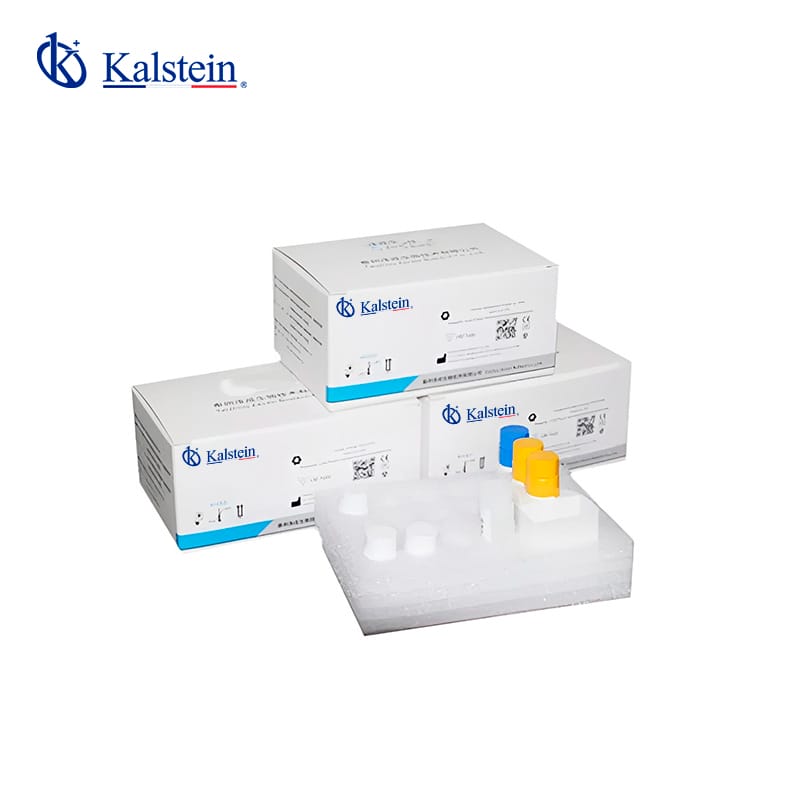
Maximizing ROI with Chemiluminescence Reagents: A Comprehensive Cost-Benefit Analysis
Chemiluminescence reagents play a crucial role in laboratory diagnostics, particularly in immunoassays. With the rising demand for efficient, reliable testing, understanding the return on investment (ROI) these reagents offer is essential for laboratory professionals. This article delves into the financial aspects of employing various chemiluminescence reagents, alongside a comparative analysis of different models, ensuring you make informed decisions for your laboratory.
Understanding ROI in the Context of Chemiluminescence Reagents
Return on investment (ROI) is a key indicator for labs to evaluate the profitability of their investments in chemiluminescence reagents. An ROI analysis includes initial costs (CAPEX), operational costs (OPEX), and potential savings over time through the efficiency of testing. The chemiluminescence technology itself offers advantages such as high sensitivity, specificity, and reduced turnaround times, which directly impact overall operational costs.
Comparison of Available Models
| Model | Cost per Test (USD) | Package Size | Best Use Scenario |
|---|---|---|---|
| YRA279 | 15.00 | 50T/BOX | Routine thyroid function testing |
| YRA280 | 15.00 | 100T/BOX | High-throughput labs requiring consistency |
| YRA281 | 15.00 | 24T/BOX | Specialized thyroid testing |
| YRA282 | 15.00 | 48T/BOX | Simultaneous multiple parameter testing |
| YRA283 | 15.00 | 50T/BOX | Completeness in thyroid diagnostics |
| YRA284 | 35.00 | 100T/BOX | Advanced research applications |
Cost-Benefit Analysis of Chemiluminescence Reagents
Conducting a cost-benefit analysis for chemiluminescence reagents involves evaluating the direct costs associated with purchasing reagents and consumables, alongside the indirect benefits that arise from improved lab efficiency and patient outcomes. For instance, with YRA279, at $15.00 per test, a lab could conduct 100 tests for a total cost of $1,500. If these tests lead to faster diagnoses and treatment plans, the increased patient turnover can significantly boost lab profitability.
Direct Costs vs. Indirect Benefits
While the direct costs of chemiluminescence reagents are easy to quantify, indirect benefits can be more challenging to assess. Factors such as improved patient satisfaction, reduced hospitalization times, and better resource allocation contribute to long-term savings. For example, using YRA284 at a higher cost of $35.00 per test might seem less appealing, but if it significantly reduces the need for follow-up tests, the total cost decreases over time, enhancing the ROI.
Common Mistakes and How to Avoid Them
One common mistake is focusing solely on the initial purchase price of the reagents without considering their overall impact on laboratory operations. Laboratories should also account for test accuracy, turnaround times, and the potential increase in testing volume. Another mistake is underestimating the importance of training staff on proper usage, which can influence the efficiency of reagent performance and validity of results.
Calculating the Payback Period
The payback period is a vital metric that helps laboratories understand how quickly they can recoup their initial investment in chemiluminescence reagents. For instance, if a lab invests $10,000 in reagents and expects to earn an additional $2,000 monthly from increased testing capacity using YRA280, the payback period would be approximately five months. This assessment aids in making informed purchasing decisions.
Quantitative Breakdown of Costs
| Model | Initial Investment (USD) | Monthly Operational Costs (USD) | Potential Monthly Revenue (USD) | Payback Period (Months) |
|---|---|---|---|---|
| YRA279 | 1,500 | 500 | 2,000 | 5 |
| YRA280 | 1,500 | 500 | 2,500 | 4 |
| YRA284 | 2,000 | 700 | 3,000 | 3 |
Frequently Asked Questions
What is the cost per test for the YRA280 chemiluminescence reagent?
The YRA280 chemiluminescence reagent has a cost per test of $15.00, making it one of the economical options for laboratories focusing on thyroid disease diagnostics.
How does the YRA284 model compare in terms of ROI for high-throughput labs?
For high-throughput laboratories, the YRA284 model, while having a cost per test of $35.00, may provide a better ROI if it reduces the need for repeated tests, thus lowering overall operational costs.
What are the benefits of using chemiluminescence reagents in laboratory diagnostics?
Chemiluminescence reagents like YRA279 offer high sensitivity and specificity, which lead to faster and more accurate test results, ultimately enhancing ROI through increased laboratory efficiency.
Which chemiluminescence reagents are ideal for routine thyroid testing?
The YRA279 and YRA280 models are particularly suited for routine thyroid testing, providing a comprehensive analysis of thyroid function markers at a cost-effective price.
How can I measure the payback period for chemiluminescence reagents?
To measure the payback period, calculate the initial investment in reagents, then divide that by the monthly revenues generated from increased testing capabilities, such as those achieved with YRA281.
What common mistakes should labs avoid when using chemiluminescence reagents?
Labs should avoid focusing solely on the initial costs of reagents like YRA283 and neglecting the broader financial implications, including operational efficiency and potential revenue increases.
How do chemiluminescence reagents impact patient outcomes?
Using chemiluminescence reagents enhances patient outcomes by allowing for rapid and accurate diagnosis, as seen with models like YRA284, improving treatment timelines and overall patient satisfaction.
What factors influence the total cost of ownership for chemiluminescence reagents?
Factors such as reagent cost, calibration needs, operational efficiency, and training can all influence the total cost of ownership, particularly for models like YRA280 used in high-throughput settings.
If you are looking for a fusion of innovation and quality, you have come to the right place. At Kalstein, we offer you the luxury of exploring our exclusive catalog of laboratory equipment. We manufacture every device to the highest standards of excellence. Our intuitive and seamless online purchasing channels are designed for your convenience, securing the most competitive prices. Hesitate no longer — we bring science to life, it is time to become part of our community.