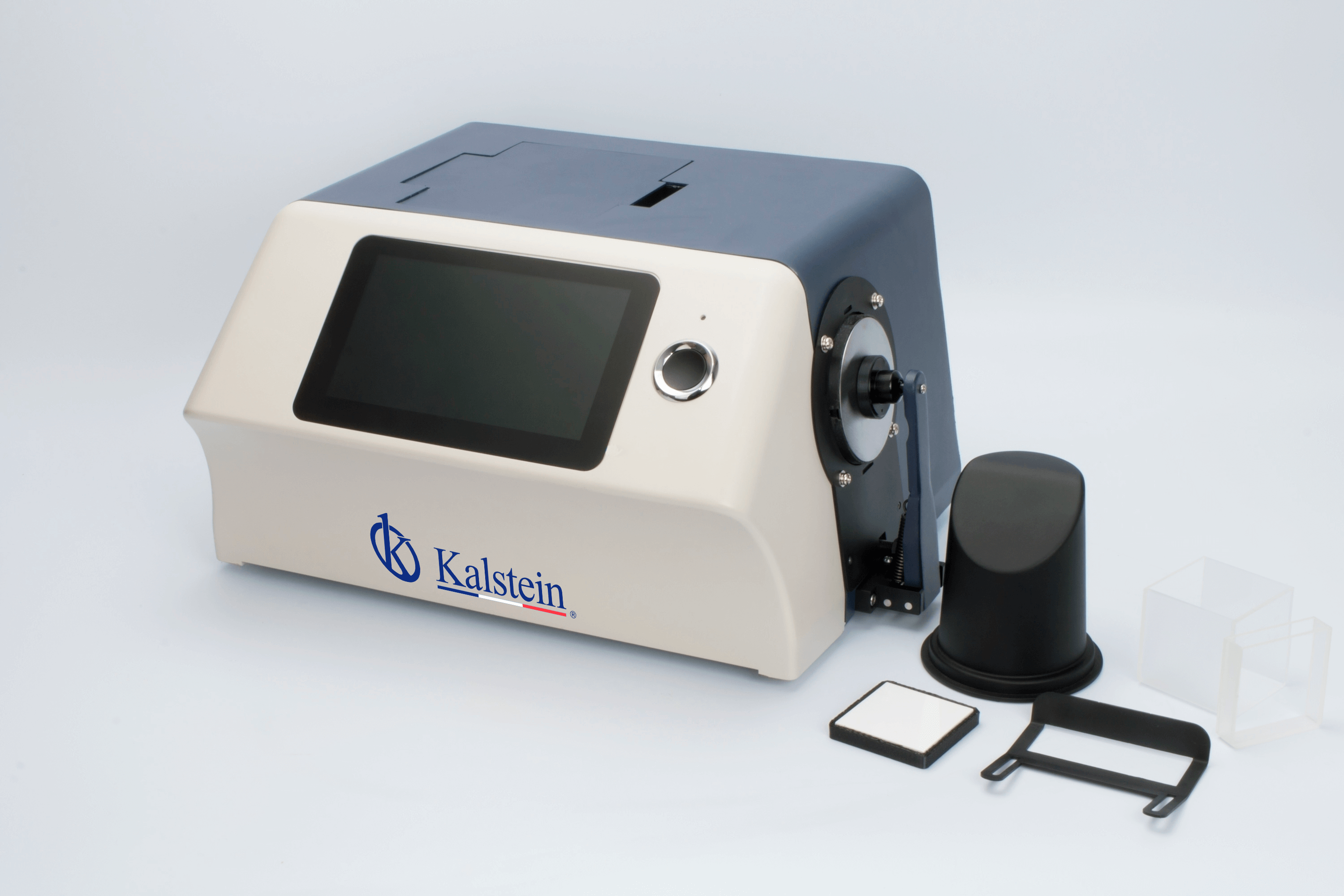
Maximizing ROI and Cost-Benefit Analysis for Benchtop Spectrophotometers
In laboratory environments, choosing the right benchtop spectrophotometer can significantly impact the overall operational efficiency, productivity, and financial health of a facility. Understanding how to maximize return on investment (ROI) and conduct thorough cost-benefit analyses is essential for laboratory professionals. This article delves into the importance of ROI in laboratory settings, evaluates several models of benchtop spectrophotometers, and guides readers through making informed decisions based on rigorous financial assessments.
Understanding ROI in Laboratory Contexts
Return on investment (ROI) is a key metric that helps laboratories understand the profitability of their equipment purchases. For benchtop spectrophotometers, ROI not only encompasses the initial capital expenditure (CAPEX) but also considers ongoing operational costs (OPEX), maintenance, and the longevity of the equipment. By analyzing these factors, laboratories can better position themselves to reduce costs while maximizing outputs.
Calculating ROI requires meticulous attention to the costs associated with acquisition, necessary consumables, and potential revenue generated through improved analysis capabilities. For example, implementing advanced models like YR05474 can lead to superior color measurement accuracy, which can translate into better quality control and increased product acceptance in manufacturing.
Key Factors Influencing the Cost-Benefit Analysis
When performing a cost-benefit analysis for benchtop spectrophotometers, several factors need to be highlighted:
- Initial Purchase Price: This includes the cost of the equipment itself.
- Operational Costs: These encompass the expenses of consumables, maintenance, and repairs.
- Efficiency Gains: Assessing how much quicker and more precise analyses are with specific models can provide value to the cost-benefit equation.
- Longevity and Durability: Models with higher durability may reduce long-term costs due to less frequent replacement.
For instance, the YR05475’s solid construction can contribute to lower total cost of ownership over time, thus enhancing ROI.
Comparison of Available Models
| Model | CAPEX (USD) | Cost per Test (USD) | Payback (Months) | Best For |
|---|---|---|---|---|
| YR05474 | 6430.00 | Varies | 12 | R&D environments |
| YR05475 | 4695.00 | Varies | 10 | Quality control |
| YR05476 | 6430.00 | Varies | 14 | Laboratory analysis |
| YR05477 | 4695.00 | Varies | 11 | Translucent measurements |
| YR05478 | 4445.00 | Varies | 9 | Color quality control |
| YR05482 | 4950.00 | Varies | 13 | Non-contact measurements |
Calculating Operational Costs Effectively
Operational costs for laboratory equipment such as benchtop spectrophotometers can significantly affect overall profitability. Key components include the cost of reagents, maintenance, and labor associated with operation. To enhance ROI, it’s crucial to identify the most cost-effective models and operational practices.
For example, when evaluating the YR05476, which offers robust features and analytical capabilities, laboratories may note a decrease in the average time taken for color analysis. This efficiency can help offset the initial purchase price and improve cost per test metrics.
Long-Term Financial Planning for Laboratory Equipment
When considering a benchtop spectrophotometer, long-term financial planning is essential. This involves not only the upfront costs but also depreciation, potential upgrades, and the cost of lost opportunities should the equipment underperform.
To facilitate this process, laboratories can adopt a depreciation schedule that accounts for the expected lifespan of each model. For instance, a model like the YR05478 may have a longer useful life based on its advanced technology and durability, thus offering a better long-term investment.
Common Mistakes and How to Avoid Them
Many laboratories face pitfalls in their purchasing decisions regarding benchtop spectrophotometers. Here are common mistakes and strategies to avoid them:
- Overlooking Total Cost of Ownership: Focus on both initial costs and ongoing expenses.
- Neglecting Operational Efficiency: Ensure that the model selected will enhance workflow and reduce testing time.
- Failing to Align with Laboratory Needs: Choose a model that best suits your specific applications, such as the YR05475 for quality control tasks.
Frequently Asked Questions
What is the expected ROI for using the YR05474 benchtop spectrophotometer in a lab?
The expected ROI for using the YR05474 in a lab can be approximately 12 months based on its features and operational efficiency, making it an excellent choice for R&D environments.
How does the YR05475 compare in operational costs to other spectrophotometers?
The YR05475 typically presents lower operational costs due to its efficient performance and reduced reagent usage, making it ideal for quality control applications.
Which benchtop spectrophotometer provides the best value in color analysis?
The YR05476 is known for delivering precise measurements and high durability, offering excellent value for laboratories focused on robust color analysis.
What factors should be considered in a cost-benefit analysis of the YR05478 model?
When performing a cost-benefit analysis for the YR05478, consider its purchase price, operational efficiency, and potential revenue generated from improved color quality control.
How can I optimize the payback period for a benchtop spectrophotometer purchase?
To optimize the payback period for a benchtop spectrophotometer, select models like the YR05475 that enhance operational efficiency and reduce testing time, thereby increasing throughput.
What are common pitfalls when selecting a benchtop spectrophotometer for laboratory use?
Common pitfalls include neglecting total cost of ownership and failing to align the instrument with specific laboratory needs. Selecting a model that fits your applications is crucial.
How can I assess the long-term viability of the YR05482 for my lab?
Assessing the long-term viability of the YR05482 involves examining its durability, operational costs, and adaptability for various types of measurements without contact.
What is the cost per test for various benchtop spectrophotometer models?
Although the cost per test varies, models like the YR05475 are designed to minimize costs through efficient operation, making them favorable for laboratories focused on quality control.
If you are looking for a fusion of innovation and quality, you have come to the right place. At Kalstein, we offer you the luxury of exploring our exclusive catalog of laboratory equipment. We manufacture every device to the highest standards of excellence. Our intuitive and seamless online purchasing channels are designed for your convenience, securing the most competitive prices. Hesitate no longer — we bring science to life, it is time to become part of our community.