Maximizing ROI and Cost-Benefit Analysis in Histopathology Laboratories
In the competitive landscape of laboratory services, histopathology laboratories face stringent pressure to optimize their operations while maintaining high-quality standards. Achieving a balance between operational costs and quality outcomes is critical. This article delves into the significance of return on investment (ROI) and cost-benefit analysis within the context of histopathology accessories and consumables. By examining various models of consumables, laboratory professionals can make informed decisions that enhance productivity and profitability.
Understanding ROI in Histopathology
ROI is a key performance indicator that measures the efficiency of an investment. In histopathology laboratories, it is imperative to evaluate ROI not just from a financial perspective but also in terms of operational efficiency, sample throughput, and quality of results. Investing in high-quality consumables like microtome blades, embedding cassettes, and paraffin blocks can significantly influence the overall ROI.
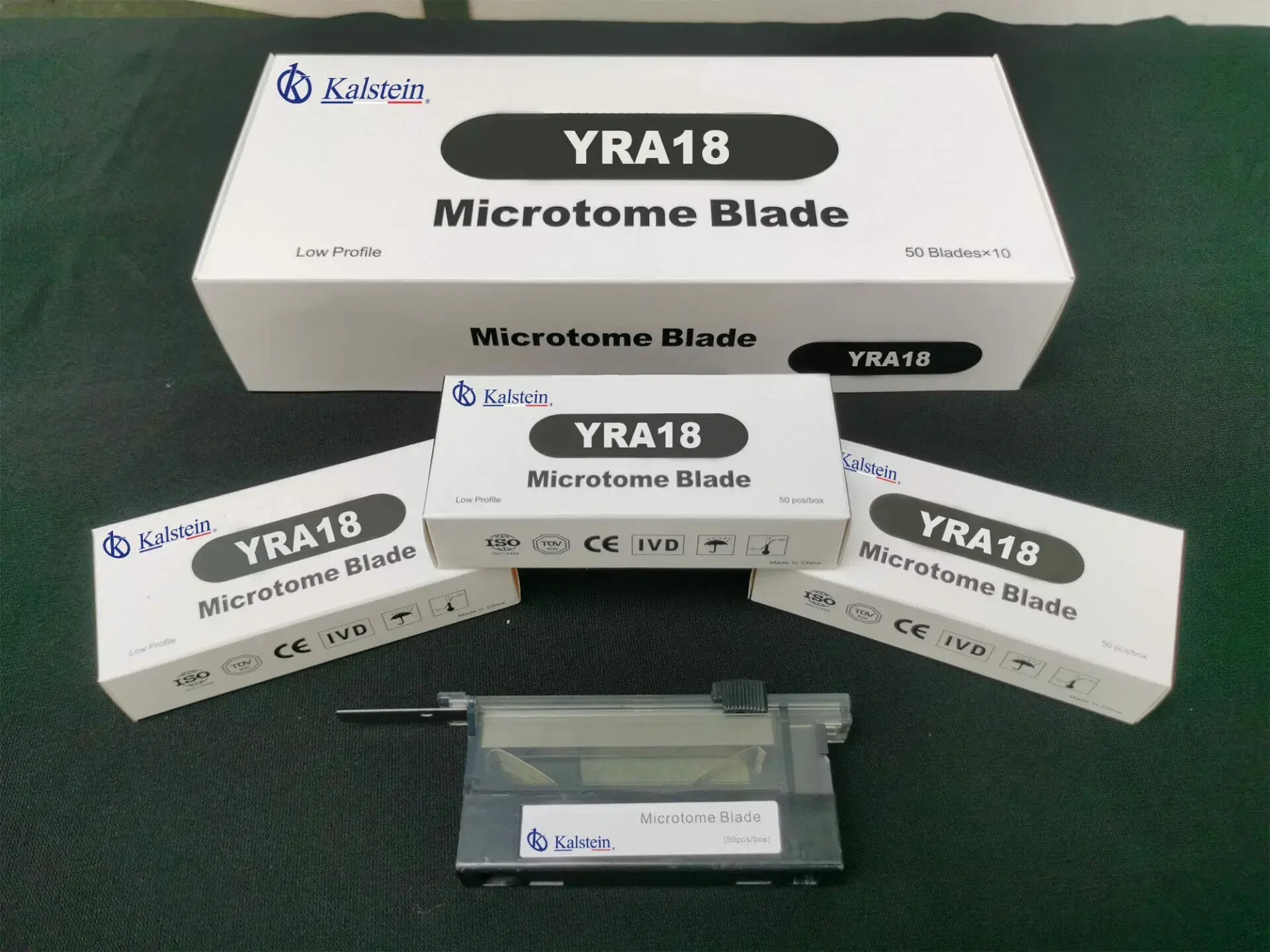
For instance, using the Disposable microtome blade (Low profile) YRA18-1 can reduce errors and improve sectioning quality, thus potentially enhancing the laboratory's service speed and accuracy. This efficiency translates into better patient outcomes and higher customer satisfaction, which ultimately improves ROI.
Key Components of Cost-Benefit Analysis
A robust cost-benefit analysis for histopathology laboratories involves several components:
- Initial Investment (CAPEX): Includes the cost of consumables and equipment.
- Operating Costs (OPEX): Recurring costs associated with running the laboratory, including maintenance, labor, and additional consumables.
- Revenue Generation: Assessing how the investment translates into increased revenue through improved services.
- Time Savings: Evaluating the time saved through efficient processes, which can lead to higher throughput.
When analyzing different models, it is important to consider how each contributes to reducing costs or increasing revenue.
Comparison of Available Models
| Model | CAPEX (USD) | Cost per Test (USD) | Payback Period (Months) | Recommended Scenario |
|---|---|---|---|---|
| YRA18-1 | 10000.00 | 5.00 | 12 | High-volume labs requiring precision |
| YRA19-1 | 1600.00 | 4.00 | 10 | Medium-volume labs with flexibility needs |
| YRA20-1 | 252.00 | 2.50 | 8 | Routine sample processing |
| YRA21-1 | 144.00 | 3.00 | 6 | Small to medium labs focusing on quality |
| YRA33-2 | 60.00 | 1.50 | 5 | Cost-sensitive projects requiring stability |
| YRA33-3 | 60.00 | 1.50 | 5 | General-purpose use in paraffin embedding |
Common Mistakes and How to Avoid Them
When conducting ROI and cost-benefit analyses, laboratories often make common mistakes that can lead to inaccurate conclusions:
- Underestimating Total Costs: It's essential to factor in all costs, including hidden or indirect expenses.
- Ignoring Quality Metrics: Laboratories should not only focus on cost but also consider the quality of results, which can affect long-term profitability.
- Neglecting to Compare Models: Comprehensive comparisons between different models can highlight the best options for specific laboratory needs.
To avoid these pitfalls, laboratories should implement thorough review processes, engage with stakeholders, and utilize data analysis tools to guide their decisions.
Evaluating Quality vs. Cost in Consumables
In histopathology, the quality of consumables directly impacts diagnostic accuracy and operational efficiency. Although cheaper options may seem appealing, they can lead to higher long-term costs due to errors, rework, or sample loss. For example, the Disposable microtome blade (High profile) YRA19-1, while higher in initial cost, offers reliability and precision, resulting in cost savings through reduced waste and improved throughput.
Conducting a thorough analysis of quality versus cost helps laboratories align their purchasing decisions with their operational goals, ensuring they invest in consumables that provide the best value.
Operational Efficiency through Technology Integration
Integrating technology in histopathology processes can significantly enhance productivity and reduce costs. For instance, utilizing automated tissue processors alongside high-quality consumables can streamline workflows, minimize human error, and ultimately lead to better financial outcomes. By analyzing the labor and time savings against initial investments, laboratories can ascertain the ROI of integrating technology.
For example, when analyzing the implementation of a new embedding system using the Tissue embedding cassette YRA20-1, labs can assess the reduced time per sample and increased throughput against the cost of new equipment and consumables, determining the overall benefit.
Strategies for Improving Laboratory Productivity
Increasing productivity in histopathology laboratories involves optimizing workflows and minimizing bottlenecks. Strategies include:
- Implementing batch processing where possible to maximize output.
- Regular training for staff to reduce errors and improve proficiency.
- Utilizing high-quality consumables like Paraffin block YRA33-2 to ensure consistent results.
By focusing on these strategies, laboratories can enhance their productivity while also ensuring robust financial performance.
Frequently Asked Questions
How does the choice of microtome blades affect ROI in histopathology labs?
The choice of microtome blades, such as the Disposable microtome blade (Low profile) YRA18-1, affects ROI significantly by reducing errors and improving sample quality. Investing in high-quality blades can lead to cost savings over time through fewer reworks and better patient outcomes.
What are the key factors for cost-benefit analysis in histopathology consumables?
Key factors for cost-benefit analysis in histopathology consumables include initial capital expenditure, operating costs, potential revenue generation, and the operational efficiency of tools like the Tissue embedding cassette YRA20-1, which contributes to overall savings.
Which embedding cassettes provide the best value for histopathology labs?
When evaluating value, the Tissue embedding cassette YRA20-1 stands out due to its cost-effectiveness and high performance. It allows for efficient sample handling, thereby optimizing laboratory throughput and enhancing ROI.
How can histopathology labs improve productivity through consumable selection?
Improved productivity can be achieved by selecting high-quality consumables such as the Disposable microtome blade (High profile) YRA19-1, which lowers error rates and increases processing speed, directly impacting laboratory efficiency and profitability.
What is the relevance of CAPEX and OPEX in histopathology lab investments?
CAPEX and OPEX are critical in evaluating histopathology lab investments. Understanding these costs allows labs to make informed decisions on consumables like the Granular paraffin YRA33-3, balancing initial investment with ongoing operational efficiency to maximize ROI.
How can technology integration enhance cost-benefit outcomes in labs?
Technology integration enhances cost-benefit outcomes by automating workflows and reducing labor costs. For example, using integrated systems with high-quality consumables can streamline operations, as seen with the effectiveness of the Plastic cassette with plastic cover YRA21-1.
Which factors should be considered for long-term savings in histopathology labs?
Long-term savings in histopathology labs should consider the quality, reliability, and efficiency of consumables like the Paraffin block YRA33-2, as these factors directly impact operational costs and diagnostic accuracy.
If you are looking for a fusion of innovation and quality, you have come to the right place. At Kalstein, we offer you the luxury of exploring our exclusive catalog of laboratory equipment. We manufacture every device to the highest standards of excellence. Our intuitive and seamless online purchasing channels are designed for your convenience, securing the most competitive prices. Hesitate no longer — we bring science to life, it is time to become part of our community.