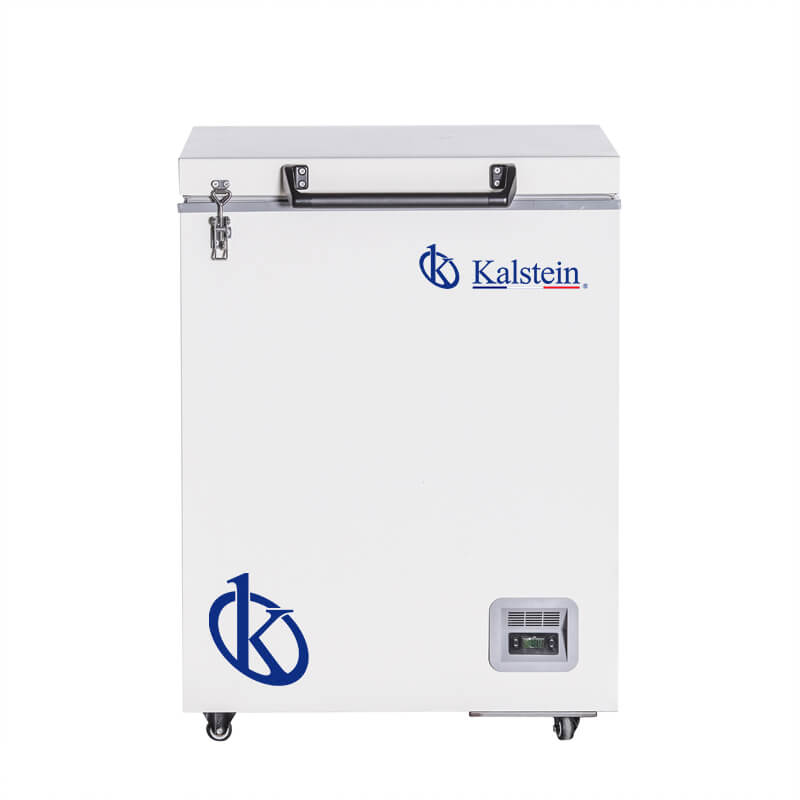
Maximizing ROI and Cost-Benefit Analysis for Laboratory Chest Freezers
As laboratories increasingly focus on optimizing their operational costs and improving efficiency, understanding the return on investment (ROI) and performing a detailed cost-benefit analysis for equipment, particularly chest freezers, has become paramount. This article will delve into the different models available within the subcategory of chest freezers, emphasizing their unique features, applications, and how they can influence ROI in laboratory settings.
Understanding the Importance of ROI in Laboratory Equipment
ROI is a critical metric for laboratory managers as it helps quantify the profitability of investments in equipment like chest freezers. Properly chosen freezers can significantly impact the operational capabilities and financial performance of laboratories. Analyzing the cost versus benefits allows laboratories to make informed decisions about purchasing new equipment, ensuring that it aligns with their long-term goals.
Cost-Benefit Analysis for Chest Freezers
Conducting a cost-benefit analysis involves several key factors, including initial costs, operating expenses, energy consumption, and overall impact on lab productivity. For chest freezers, this analysis helps identify the best models for different laboratory needs, providing clarity on which investment yields the highest returns.
Key Features to Consider in Chest Freezers
When analyzing chest freezers for laboratory applications, several features should be considered that can influence both ROI and operational efficiency:
- Temperature Range: The ability to maintain specific temperatures is crucial for material preservation.
- Capacity: The storage capacity directly affects how much inventory can be stored.
- Energy Efficiency: Models with lower energy consumption contribute to reduced operational costs.
- Alarm Systems: Effective alarm systems help prevent loss due to temperature fluctuations.
Comparison of Available Models
| Model | Initial Cost (USD) | Energy Consumption (kWh/24h) | Best for |
|---|---|---|---|
| YR05102 | 450.00 | 1.65 | General use in moderate temperature environments |
| YR05103 | 885.00 | 1.68 | Research labs requiring consistent temperature controls |
| YR05104 | 1100.00 | 3.45 | Long-term storage with higher thermal demands |
| YR05314 | 3150.00 | 11.5 | Ultra-low temperature applications |
| YR05313 | 1825.00 | 3.8 | Compact spaces needing ultra-low storage |
| YR05315 | 1150.00 | 3.2 | Biomedical applications requiring precise temperature |
Maximizing Energy Efficiency in Chest Freezers
Energy efficiency plays a significant role in the overall cost of ownership for chest freezers. Choosing models that consume less energy can lead to substantial savings over time. For example, the YR05102 model has an energy consumption of only 1.65 kWh/24h, making it an excellent choice for laboratories looking to minimize utility costs. Investing in energy-efficient models can result in lower operational costs, leading to a better ROI.
Common Mistakes and How to Avoid Them
Laboratories often make several common mistakes when selecting chest freezers:
- Not considering total cost of ownership: Many labs focus only on the initial purchase price without factoring in ongoing costs such as energy consumption and maintenance.
- Ignoring storage needs: Selecting a freezer that does not meet storage capacity requirements can lead to operational inefficiencies and increased costs.
- Underestimating temperature management: Choosing a model without adequate temperature controls can result in sample loss and additional costs.
Effective Maintenance Strategies for Chest Freezers
Regular maintenance of chest freezers is essential to ensure optimal performance and longevity. Scheduling regular checks on temperature settings, cleaning condenser coils, and monitoring alarm systems can help identify potential issues before they lead to equipment failure. Implementing a preventive maintenance plan can significantly enhance the ROI of these units.
Frequently Asked Questions
What is the average ROI for chest freezers in laboratory settings?
The average ROI for chest freezers can vary significantly based on the model and usage context. For example, models like the YR05103 with lower energy consumption can yield better ROI through reduced utility costs, making it a popular choice in many labs.
How to calculate operating costs for a laboratory chest freezer?
To calculate the operating costs of a chest freezer, consider the initial purchase price, energy consumption, maintenance costs, and any potential loss of samples. For instance, the YR05104 model has an energy consumption of 3.45 kWh/24h, which can be factored into the overall annual operating costs.
Which chest freezer model is best for long-term sample storage?
The YR05314 is highly recommended for long-term sample storage due to its ultra-low temperature capabilities, reaching down to -86°C, making it ideal for sensitive biological materials.
What features should I look for in a chest freezer to ensure safety in my laboratory?
Look for models like the YR05102 that have built-in safety alarms for high/low temperatures and power failures. These features are crucial for preventing sample loss and ensuring compliance with safety standards.
How does energy efficiency impact the total cost of ownership for chest freezers?
Energy efficiency can significantly lower the total cost of ownership for chest freezers. For example, the YR05102 has an energy consumption of just 1.65 kWh/24h, which reduces monthly electricity bills, directly impacting overall expenses.
What maintenance practices can improve the lifespan of chest freezers?
Regular cleaning, monitoring of temperature settings, and checking alarm systems can greatly enhance the lifespan of chest freezers. Implementing a maintenance schedule helps identify issues early, ensuring models like the YR05315 remain reliable.
How can I determine the best chest freezer for my laboratory's specific needs?
Evaluate your laboratory's specific storage needs, sample types, and budget. For instance, if ultra-low temperatures are required, consider the YR05314 model, which offers -86°C capabilities, ensuring optimal conditions for sensitive materials.
What are the typical energy costs associated with operating a chest freezer?
The typical energy costs will depend on the model's consumption. For example, the YR05315 model consumes approximately 3.2 kWh/24h, which can be calculated into monthly operating costs based on local electricity rates.
If you are looking for a fusion of innovation and quality, you have come to the right place. At Kalstein, we offer you the luxury of exploring our exclusive catalog of laboratory equipment. We manufacture every device to the highest standards of excellence. Our intuitive and seamless online purchasing channels are designed for your convenience, securing the most competitive prices. Hesitate no longer — we bring science to life, it is time to become part of our community.