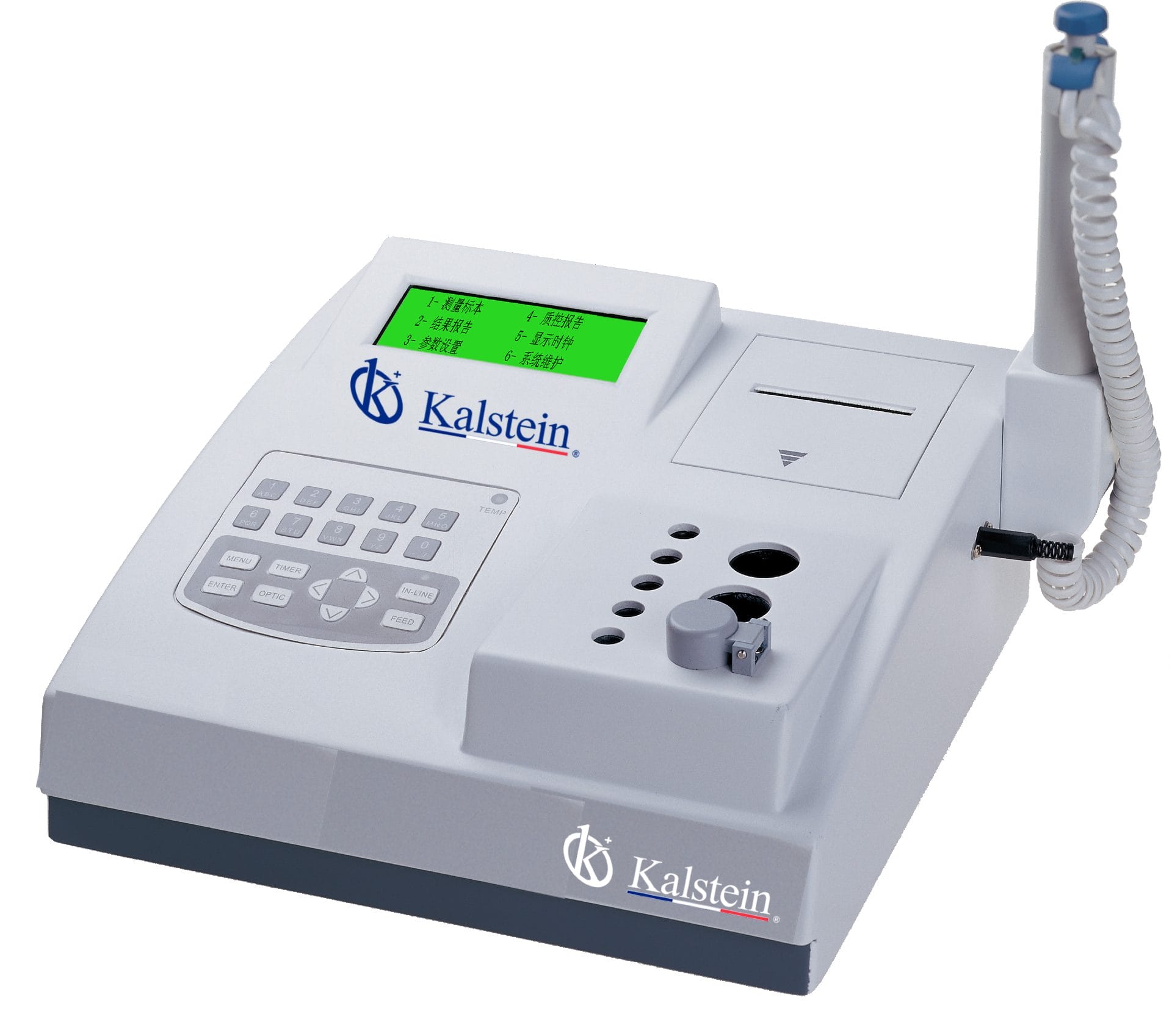
Maximizing ROI and Cost-Benefit Analysis for Coagulation Analyzers
In the ever-evolving landscape of laboratory diagnostics, optimizing the return on investment (ROI) and conducting a thorough cost-benefit analysis for coagulation analyzers is crucial. Coagulation analyzers are indispensable tools in clinical settings, aiding in diagnosing coagulation disorders and monitoring anticoagulation therapy. With varying models featuring different specifications and capabilities, understanding their financial implications can significantly impact laboratory efficiency and effectiveness.
Understanding the Financial Impact of Coagulation Analyzers
The primary goal of any laboratory is to provide accurate and timely results while maintaining cost-effectiveness. Coagulation analyzers vary widely in their initial costs, operating expenses, and throughput capabilities. By evaluating these factors, laboratories can make informed decisions that enhance their operational efficiency.
Initial costs (CAPEX) can be deceiving; a lower-priced model may lead to higher operational costs (OPEX) due to increased reagent consumption or maintenance requirements. Conversely, a more expensive analyzer may offer savings in the long term through enhanced accuracy and faster testing times. Thus, understanding the full lifecycle cost of each model is essential.
Comparison of Available Models
| Model | Initial Cost (USD) | Operating Cost per Test (USD) | Payback Period (Months) | Recommended Scenario |
|---|---|---|---|---|
| YR05117 | 750.00 | 0.80 | 12 | Small to medium labs with routine testing |
| YR05118 | 600.00 | 0.75 | 10 | Budget-conscious labs requiring flexibility |
| YR06083 | 13000.00 | 1.50 | 24 | High-throughput labs needing automation |
| YR06082 | 6800.00 | 1.00 | 15 | Mid-sized labs focusing on accuracy |
Key Factors in Cost-Benefit Analysis
To conduct an effective cost-benefit analysis of coagulation analyzers, several key factors should be evaluated:
- Throughput: Higher throughput models reduce the cost per test and improve turnaround times.
- Reagent Efficiency: Models like the YR05117 and YR05118 are designed for low reagent consumption, which minimizes ongoing costs.
- Maintenance Costs: Consider models that require less frequent maintenance to avoid unexpected expenses.
- Training and Usability: User-friendly models can reduce training time and enhance workflow efficiency.
Quantitative Breakdown of Costs
Assessing the total cost of ownership involves understanding both fixed and variable costs associated with coagulation analyzers. Below is a detailed breakdown:
| Cost Category | Yearly Cost (USD) |
|---|---|
| Initial Purchase | Varies by model |
| Reagents | 1,200.00 |
| Maintenance | 500.00 |
| Consumables | 300.00 |
| Total | Varies |
Common Mistakes and How to Avoid Them
Laboratories often fall into several traps when purchasing coagulation analyzers. Understanding these common mistakes can help ensure that your investment pays off:
- Focusing Solely on Purchase Price: This can lead to long-term costs that outweigh short-term savings. Analyze total cost of ownership.
- Underestimating Training Needs: A complex model may require more training than anticipated, impacting productivity.
- Ignoring Throughput Needs: Ensure the analyzer meets the expected volume of tests to avoid bottlenecks.
Maximizing Efficiency Through Workflow Optimization
Integrating coagulation analyzers into existing laboratory workflows can significantly enhance efficiency. For example, using automated analyzers like the YR06083 allows labs to run multiple tests concurrently, reducing idle time and maximizing output.
Implementing Predictive Maintenance Strategies
Maintaining equipment is vital for ensuring performance and longevity. Implementing a predictive maintenance strategy for coagulation analyzers helps anticipate issues before they disrupt operations. Track metrics such as Mean Time Between Failures (MTBF) and set up regular maintenance schedules to keep equipment running smoothly.
Frequently Asked Questions
What is the estimated ROI from using YR06083 coagulation analyzer over five years?
The estimated ROI for the YR06083 model can be calculated by analyzing initial costs versus savings in operational expenses. Given its high throughput and advanced capabilities, labs can expect a payback period of approximately 24 months, leading to substantial savings over five years.
How can I reduce reagent costs for coagulation analyzers in my lab?
To reduce reagent costs, consider models like the YR05117, which utilizes less than 2µl of reagent per test. This efficiency can significantly lower your annual reagent expenditures, improving your overall cost structure.
What are the most critical specifications to evaluate in coagulation analyzers?
Key specifications include throughput, reagent consumption, and accuracy. For instance, the YR05118 offers a balance of cost-efficiency and precision, making it a viable option for various laboratory scales.
How does maintenance affect the total cost of ownership for coagulation analyzers?
Maintenance plays a crucial role in the total cost of ownership, impacting operational downtime and repair costs. Models with lower maintenance requirements, such as YR05118, can lead to greater long-term savings and enhanced laboratory productivity.
What factors should be included in a cost-benefit analysis for coagulation analyzers?
A sound cost-benefit analysis should include initial purchase price, reagent costs, maintenance expenses, and potential savings from higher efficiency and reduced errors. This comprehensive view helps ensure that all financial impacts are considered.
Which coagulation analyzer is best for small laboratories?
The YR05118 coagulation analyzer is an excellent choice for small laboratories due to its lower initial cost and efficient reagent usage, ensuring that it meets the specific needs of smaller testing volumes without compromising quality.
What improvements can I expect in throughput with the YR06083 model?
The YR06083 model significantly enhances throughput, allowing laboratories to process a higher volume of tests per hour. This is particularly beneficial in high-demand settings, resulting in quicker turnaround times for patient results.
Conclusion
Maximizing ROI and conducting a thorough cost-benefit analysis of coagulation analyzers is essential for laboratory success. By understanding the specifics of each model and how they align with laboratory needs, professionals can make informed decisions that drive efficiency and sustainability.
If you are looking for a fusion of innovation and quality, you have come to the right place. At Kalstein, we offer you the luxury of exploring our exclusive catalog of laboratory equipment. We manufacture every device to the highest standards of excellence. Our intuitive and seamless online purchasing channels are designed for your convenience, securing the most competitive prices. Hesitate no longer — we bring science to life, it is time to become part of our community.