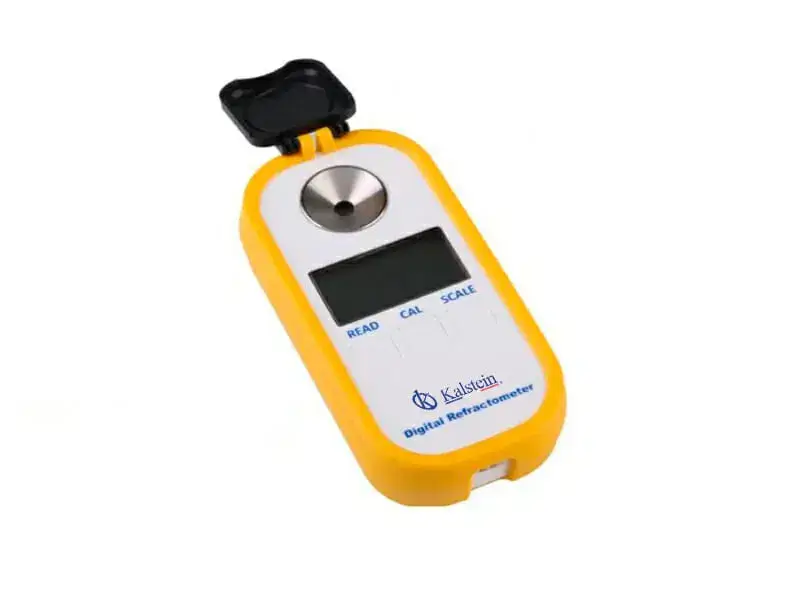
Maximizing ROI and Cost-Benefit Analysis for Digital Salinity Refractometers
In the ever-evolving landscape of laboratory equipment, understanding the return on investment (ROI) and conducting a thorough cost-benefit analysis is crucial for maximizing operational efficiency. Digital Salinity Refractometers are invaluable tools in various applications such as marine biology, agriculture, and food production. This article focuses on how laboratory professionals can analyze the ROI and benefits associated with multiple models of Digital Salinity Refractometers.
Understanding ROI in Laboratory Context
ROI is a critical metric that helps laboratories evaluate the profitability of their equipment investments. It can be calculated by comparing the net profit generated by the refractometer against its purchase and operational costs over time. Key factors to consider include:
- Initial capital expenditure (CAPEX).
- Operating expenses (OPEX), including maintenance and consumables.
- Revenue generated from improved operational efficiencies.
By assessing these factors, laboratories can make informed decisions regarding the acquisition and utilization of Digital Salinity Refractometers.
Cost-Benefit Analysis Framework
A cost-benefit analysis provides a comprehensive framework for evaluating the financial implications of using Digital Salinity Refractometers. The following steps are essential:
- Identify all costs associated with the refractometer, including purchase price, maintenance, and training.
- Calculate expected benefits, such as time savings, reduced waste, and increased accuracy.
- Compare the total costs against the total benefits to derive a net benefit value.
This structured approach allows laboratory managers to quantify the advantages of investing in advanced refractometer technology.
Comparative Overview of Digital Salinity Refractometers
The following models exemplify some of the best Digital Salinity Refractometers available in the market. Each model has distinct specifications suitable for various applications.
| Model Code | Description | Measurement Range | Min. Division | Accuracy | Cost (USD) |
|---|---|---|---|---|---|
| YR05953 | Digital BRIX Refractometer YR05953 | 0.0-28.0% | 0.10% | ±0.1% | 76.00 |
| YR05954 | Digital BRIX Refractometer YR05954 | 0-280‰ | 1‰ | ±1‰ | 76.00 |
| YR05955 | Digital BRIX Refractometer YR05955 | 1.000-1.217 | 0.001 | ±0.002 | 76.00 |
| YR05956 | Digital BRIX Refractometer YR05956 | 1.3330-1.3900nD | 0.0001nD | ±0.0003nD | 76.00 |
| YR05957 | Digital BRIX Refractometer YR05957 | 0-100‰ | 1‰ | ±2‰ | 76.00 |
| YR05958 | Digital BRIX Refractometer YR05958 | 0-57‰ | 1‰ | ±2‰ | 76.00 |
Key Factors Influencing ROI
Several key factors impact the ROI from Digital Salinity Refractometers, including:
- Operational Efficiency: The ability to provide rapid and accurate salinity measurements can significantly reduce time spent on testing, leading to better throughput in laboratories.
- Quality Control: Enhanced precision translates into fewer errors, reducing waste and re-testing costs.
- Market Demand: In fields such as food production and marine research, accurate salinity data is vital, leading to higher revenue opportunities for labs.
Calculating Payback Period
The payback period is a crucial metric in assessing the time it takes for an investment to generate enough returns to recover its costs. For example, if a laboratory invests in the YR05953 model for $76 and anticipates saving $25 monthly due to increased efficiency, the payback period would be:
- Payback Period = Initial Investment / Monthly Savings = $76 / $25 = 3.04 months.
This quick recovery time highlights the cost-effectiveness of investing in advanced refractometer technology.
Common Mistakes and How to Avoid Them
Laboratory professionals often encounter pitfalls when evaluating ROI and cost-benefit analysis for Digital Salinity Refractometers. Some common mistakes include:
- Neglecting Full Lifecycle Costs: It's essential to account for ongoing maintenance and potential repairs, not just initial costs.
- Overlooking Calibration Costs: Regular calibration is necessary for accurate measurements, which can incur additional costs.
- Inadequate Usage Estimates: Failing to factor in the actual usage can lead to miscalculating expected savings from operational efficiency.
Frequently Asked Questions
What ROI can I expect from using a Digital Salinity Refractometer like YR05954?
The ROI from the YR05954 model can be significant, especially when considering its efficiency in measuring salinity. If used correctly, laboratories can expect to save on costs related to error reduction and increased testing throughput.
How can I perform a cost-benefit analysis for the YR05955 model?
To conduct a cost-benefit analysis for the YR05955 model, calculate all associated costs such as initial purchase and calibration. Then, evaluate the benefits in terms of time saved and accuracy improvements, leading to better resource allocation and increased productivity.
Which factors should I consider for the YR05956 in my lab's ROI calculations?
For the YR05956 model, consider its precision and the efficiency gains in your processes. Evaluate the potential reduction in re-testing and waste alongside the calibration frequency to comprehensively assess your ROI.
What are the common errors in ROI calculations for Digital Salinity Refractometers?
Common errors include not considering full operational costs, underestimating the frequency of calibration, and over-projecting savings without detailed operational analysis. It’s vital to be comprehensive in financial estimates for accurate ROI calculations.
How does the YR05953 model compare in terms of cost-effectiveness?
The YR05953 model is cost-effective due to its low initial price and high accuracy, which can lead to significant savings over time in terms of fewer errors and re-tests. Its operational efficiency can enhance overall laboratory productivity.
What are the expected maintenance costs for Digital Salinity Refractometers?
Maintenance costs can vary widely but typically include calibration services and occasional repairs. For models like YR05954, budgeting for routine calibration every 6-12 months ensures accuracy and extends the device’s lifecycle.
How can I enhance my laboratory's efficiency with the YR05958 model?
By integrating the YR05958 model into your routine testing procedures, you can improve measurement accuracy and reduce turnaround times. Regular use and staff training on its functionalities can significantly optimize lab efficiency.
Conclusion and Call to Action
If you are looking to enhance your laboratory's operations through effective investment in Digital Salinity Refractometers, we invite you to request a quote on Kalstein Plus. Our team is ready to assist you in finding the best solutions tailored to your needs.
If you are looking for a fusion of innovation and quality, you have come to the right place. At Kalstein, we offer you the luxury of exploring our exclusive catalog of laboratory equipment. We manufacture every device to the highest standards of excellence. Our intuitive and seamless online purchasing channels are designed for your convenience, securing the most competitive prices. Hesitate no longer — we bring science to life, it is time to become part of our community.