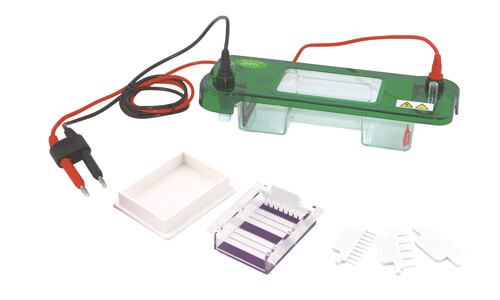
Maximizing ROI and Cost-Benefit Analysis in Horizontal Electrophoresis Labs
In today's competitive laboratory environment, understanding the return on investment (ROI) and conducting a thorough cost-benefit analysis is crucial for any laboratory specializing in horizontal electrophoresis. Laboratories must evaluate different models to ensure they choose the right equipment that balances performance and cost efficiency. This article delves deeply into the factors influencing ROI, compares various models, and provides insights on conducting effective cost analyses specific to horizontal electrophoresis.
Understanding ROI in Horizontal Electrophoresis
Return on investment (ROI) measures the profitability of an investment relative to its cost. For laboratories, especially those using horizontal electrophoresis, calculating ROI involves analyzing initial equipment costs, operational expenses, and the potential revenue generated from tests performed. Factors influencing ROI include the efficiency of the electrophoresis system, ease of use, and maintenance costs.
Cost-Benefit Analysis: A Practical Approach for Laboratories
A cost-benefit analysis allows laboratories to weigh the costs of acquiring and using horizontal electrophoresis equipment against the benefits, such as improved accuracy and faster results. The analysis should consider both direct costs, like purchase price and consumables, and indirect costs, including labor and downtime. In horizontal electrophoresis, choosing the right model can significantly enhance the overall benefit to the lab.
Comparison of Available Models
| Model | CAPEX (USD) | Cost per Test (USD) | Payback Period (Months) | Recommended Scenario |
|---|---|---|---|---|
| YR03415 | 81.00 | 0.50 | 6 | Low to Medium Throughput |
| YR03416 | 136.80 | 0.60 | 8 | Medium Throughput |
| YR03417 | 183.00 | 0.75 | 10 | High Flexibility |
| YR03418 | 201.00 | 0.80 | 12 | High Volume Testing |
| YR03419 | 201.00 | 0.85 | 12 | Specialized Applications |
| YR03420 | 330.60 | 1.00 | 14 | Research and Development |
Key Factors Affecting ROI in Horizontal Electrophoresis
Several factors directly influence the ROI for laboratories utilizing horizontal electrophoresis. These include:
- Initial Investment: The capital expenditure (CAPEX) needed for purchasing the equipment.
- Operational Efficiency: Models that facilitate faster processing times can lead to higher output and reduced labor costs.
- Maintenance Costs: Regular maintenance and any potential repairs can impact total ownership costs.
- Sample Throughput: The number of samples processed per hour affects revenue generation and profitability.
How to Perform a Cost-Benefit Analysis for Electrophoresis Equipment
Performing a cost-benefit analysis involves the following steps:
- Identify Costs: Document all costs associated with each model, including purchase price, consumables, and labor.
- Evaluate Benefits: Assess benefits such as increased accuracy, throughput, and the ability to conduct more complex analyses.
- Quantify Results: Compare total costs against anticipated benefits to determine which model provides the best value.
- Review Regularly: Update your analysis as new models become available or lab needs change.
Common Mistakes and How to Avoid Them
When assessing ROI and conducting cost-benefit analyses, laboratories often make several common mistakes, including:
- Underestimating Costs: Failing to include indirect costs can skew the analysis. Be thorough in documenting all expenses.
- Neglecting Long-term Benefits: Focusing solely on initial costs may overlook long-term benefits such as improved test accuracy.
- Ignoring Scalability: Consider whether the model can adapt to future changes in demand or technological advancements.
- Not Involving Stakeholders: Ensure key personnel are part of the decision-making process to align equipment choices with laboratory goals.
Frequently Asked Questions
What is the average payback period for horizontal electrophoresis equipment?
The average payback period for horizontal electrophoresis models varies, with options like the YR03415 offering a payback period of around 6 months due to its low operational costs and efficient sample handling.
How much does it cost to operate a horizontal electrophoresis lab?
Operating costs can vary by model, with the YR03416 incurring about $0.60 cost per test, making it a reasonable choice for medium throughput laboratories.
Which factors should I consider for ROI in electrophoresis labs?
Key factors affecting ROI include initial investment, operational efficiency, maintenance costs, and sample throughput, all crucial when selecting models like YR03418 for high volume testing.
What are the benefits of high-throughput horizontal electrophoresis?
High-throughput systems, such as the YR03420, offer significant benefits, including reduced time per analysis and the ability to handle more samples, leading to increased revenue potential for laboratories.
How can I maximize cost efficiency in my electrophoresis lab?
To maximize cost efficiency, choose models like YR03417 that offer scalability and flexibility for diverse applications, ensuring that your lab can adapt to varying demands while controlling costs.
What is the expected lifespan of horizontal electrophoresis equipment?
Horizontal electrophoresis equipment, such as the YR03419, typically has a lifespan of several years, especially with regular maintenance, making it a worthwhile investment for laboratories focused on long-term use.
How do I choose the best model for my electrophoresis applications?
Evaluate your laboratory's specific needs, including throughput, sample types, and budget constraints, to select the most suitable model, like the YR03415 for low to medium throughput applications.
What ROI can I expect from upgrading my electrophoresis system?
Upgrading to more efficient models like YR03420 can enhance your lab's ROI by reducing costs per test and increasing throughput, potentially improving profitability within a year.
If you are looking for a fusion of innovation and quality, you have come to the right place. At Kalstein, we offer you the luxury of exploring our exclusive catalog of laboratory equipment. We manufacture every device to the highest standards of excellence. Our intuitive and seamless online purchasing channels are designed for your convenience, securing the most competitive prices. Hesitate no longer — we bring science to life, it is time to become part of our community.