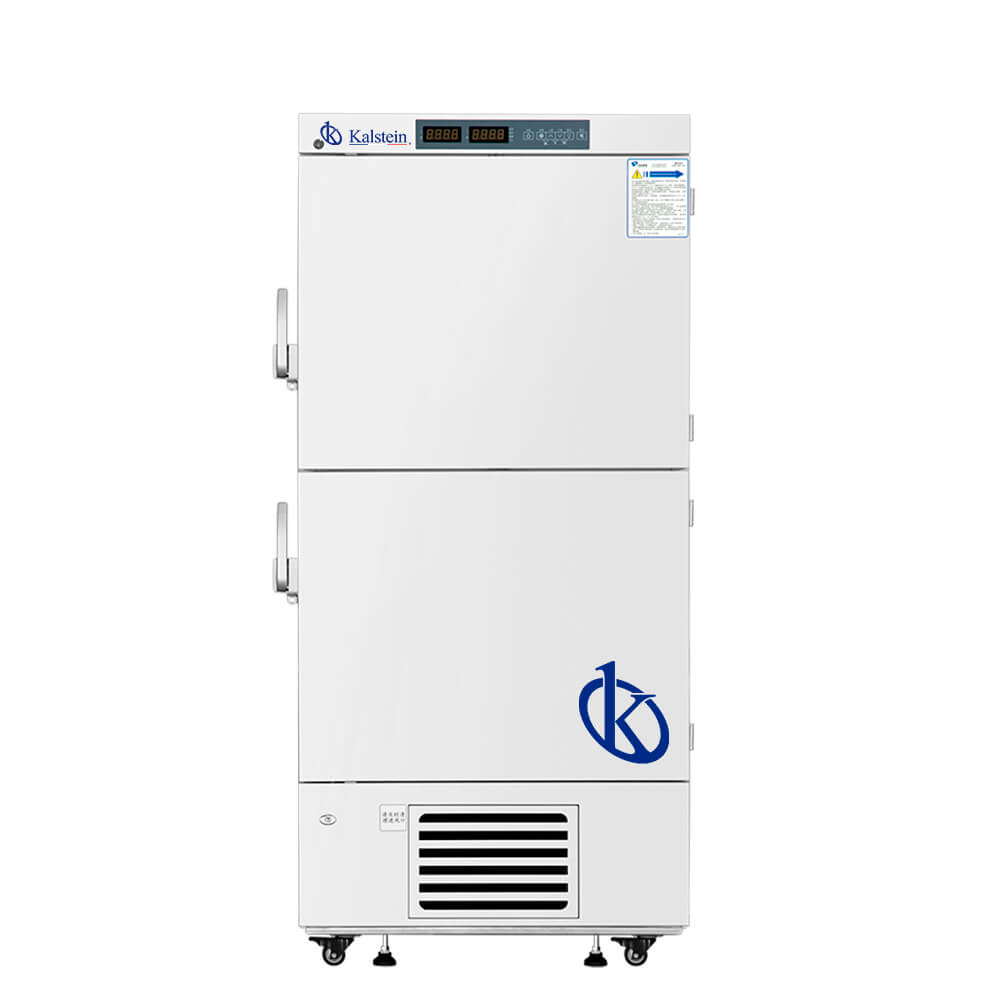
Maximizing ROI through Cost-Benefit Analysis of Low Temperature Freezers
In the laboratory environment, the investment in low temperature freezers is crucial for preserving samples and maintaining quality. Understanding the return on investment (ROI) through a meticulous cost-benefit analysis can significantly enhance operational efficiency and financial performance. This article delves into various models of low temperature freezers, analyzing their costs against the benefits they provide to aid laboratory professionals in making informed decisions.
Understanding the Importance of Low Temperature Freezers in ROI
Low temperature freezers play a vital role in laboratories, particularly for the preservation of biological samples, pharmaceuticals, and reagents. The effective management of these assets can lead to substantial savings and better resource allocation. By assessing the capital expenditures (CAPEX) versus operational expenditures (OPEX), laboratories can establish a clear picture of the financial benefits derived from using these freezers.
Key Financial Metrics in Cost-Benefit Analysis
To conduct a thorough cost-benefit analysis for low temperature freezers, it is essential to focus on several financial metrics, including initial costs, maintenance costs, energy consumption, and the overall lifespan of the equipment. This analysis is integral in determining the payback period and the total cost of ownership (TCO), which helps in validating the investment in these essential laboratory tools.
Comparison of Available Models
| Model | CAPEX (USD) | Energy Consumption (kWh/24h) | Payback Period (months) | Recommended Scenario |
|---|---|---|---|---|
| YR05100 | 1830.00 | 6.7 | 24 | Research labs storing sensitive samples |
| YR05309 | 1620.00 | 5.5 | 22 | Hospitals with bulk medical supplies |
| YR05311 | 1360.00 | 3.0 | 18 | Laboratories needing reliable low temperature storage |
Analyzing Energy Consumption and Operational Efficiency
Energy consumption is a critical aspect of cost-benefit analysis. Freezers such as the YR05311 operate at lower costs due to their efficient energy consumption of only 3.0 kWh over a 24-hour period. In contrast, the YR05100, while effective, consumes more energy at 6.7 kWh. Understanding these metrics allows labs to make choices that align with both budgetary constraints and operational efficiency.
Documenting Cost Savings and Benefits
Documenting the cost savings associated with low temperature freezers involves tracking expenses over time. For example, investing in the YR05309 can lead to significant savings in energy costs due to its lower consumption rate compared to other models. Additionally, tracking maintenance costs and sample preservation success rates provides a comprehensive view of the value added by these freezers.
Common Mistakes and How to Avoid Them
Laboratory professionals often overlook the total cost of ownership when selecting equipment. It's essential to not only consider the initial purchase price but also ongoing costs related to energy, maintenance, and potential downtime. Another mistake is failing to align freezer capabilities with the specific needs of the lab, which can lead to wasted resources.
Frequently Asked Questions
How does energy efficiency impact the ROI of low temperature freezers?
Energy efficiency directly affects the operational costs associated with low temperature freezers. Models like the YR05311, which consume only 3.0 kWh/24h, offer significant savings and a quicker payback period compared to others, thereby enhancing ROI.
What are the maintenance costs associated with low temperature freezers?
Maintenance costs can vary significantly based on the model and usage. For instance, the YR05100's design allows for simple maintenance, potentially reducing costs over time compared to more complex models.
How can I determine the best low temperature freezer for my lab's needs?
Identifying the best low temperature freezer involves assessing your lab's specific requirements, such as sample volume and storage temperature needs. Models like the YR05309 are ideal for hospitals needing robust storage solutions.
What is the expected lifespan of low temperature freezers?
The expected lifespan of low temperature freezers typically ranges from 10 to 15 years, depending on usage and maintenance. Proper maintenance can significantly extend this lifespan, improving ROI.
How do low temperature freezers impact sample integrity?
Low temperature freezers are essential for maintaining the integrity of sensitive samples. Models like the YR05311 ensure optimal temperature stability, which is crucial for long-term preservation.
What are the initial investment costs for low temperature freezers?
Initial investment costs for low temperature freezers can vary widely. For example, the YR05309 is priced at approximately $1620, making it an accessible option for budget-conscious labs.
Conclusion
Maximizing ROI through an informed cost-benefit analysis of low temperature freezers is essential for any laboratory aiming for operational excellence. By focusing on energy efficiency, maintenance costs, and overall benefits, labs can make strategic decisions that enhance their financial performance and preserve sample integrity. If you are looking for a fusion of innovation and quality, you have come to the right place. At Kalstein, we offer you the luxury of exploring our exclusive catalog of laboratory equipment. We manufacture every device to the highest standards of excellence. Our intuitive and seamless online purchasing channels are designed for your convenience, securing the most competitive prices. Hesitate no longer — we bring science to life, it is time to become part of our community.