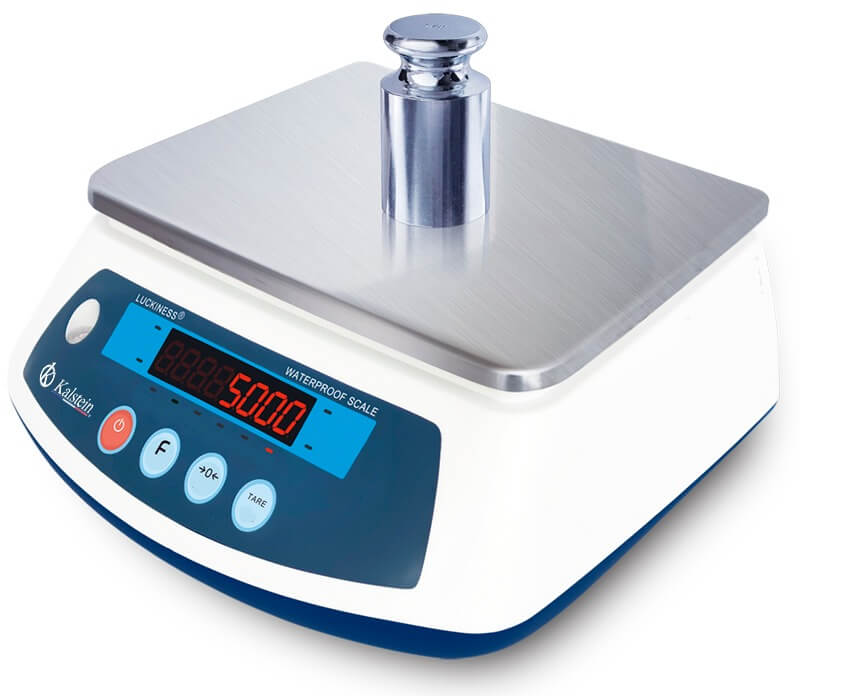
Maximizing ROI and Cost-Benefit Analysis for Laboratory Waterproof Balances
In today's competitive laboratory environment, achieving a strong return on investment (ROI) is crucial for sustainable operations. Waterproof balances are essential tools that enhance measurement precision in various laboratory applications, especially where cleanliness and moisture resistance are critical. This article delves into how laboratory professionals can maximize ROI and conduct effective cost-benefit analyses for waterproof balances, enabling informed purchasing decisions.
The Importance of ROI in Laboratory Purchases
Understanding ROI is essential for laboratory managers looking to optimize budgets and improve operational efficiency. ROI represents the financial return received on funds invested in equipment, such as waterproof balances. Analyzing costs vs. benefits helps justify expenditures by providing a clear picture of how equipment will save time, reduce errors, or improve throughput.
Key Factors Affecting ROI for Waterproof Balances
Several factors influence ROI when purchasing waterproof balances, including initial costs, operational costs, maintenance requirements, and the lifespan of the equipment. By thoroughly evaluating these elements, laboratory managers can identify models that will yield the highest returns over time.
Conducting a Cost-Benefit Analysis for Waterproof Balances
A cost-benefit analysis involves quantifying the expected benefits of a waterproof balance against its costs. Key costs to consider include purchase price, installation expenses, and ongoing operational costs such as calibration and maintenance. Benefits may include enhanced precision, increased labor efficiency, and reduced waste. By gathering this data, laboratories can make an informed decision regarding which model to purchase.
Comparison of Available Models
| Model | Initial Cost (USD) | Capacity (kg) | Accuracy (g) | Operational Benefits |
|---|---|---|---|---|
| YR05623 | 105.00 | 3 | 0.1 | High precision for small samples |
| YR05624 | 95.00 | 6 | 0.5 | Cost-effective for medium samples |
| YR05625 | 95.00 | 6 | 1 | Reliable for general lab use |
| YR05626 | 95.00 | 7.5 | 1 | Versatile for various applications |
| YR05627 | 95.00 | 15 | 5 | Ideal for larger samples |
| YR05628 | 95.00 | 30 | 5 | Maximized capacity for bulk weighing |
Quantitative Breakdown of Costs and Benefits
To further illustrate ROI, laboratories should analyze equipment across several metrics, such as payback period, which assesses how long it takes to recoup the initial investment through savings and increased efficiency. Below is a simplified example of a cost-benefit analysis:
| Model | Initial Cost (USD) | Annual Savings (USD) | Payback Period (Months) |
|---|---|---|---|
| YR05623 | 105.00 | 30.00 | 4.2 |
| YR05624 | 95.00 | 25.00 | 4.6 |
| YR05625 | 95.00 | 28.00 | 4.1 |
| YR05626 | 95.00 | 32.00 | 3.6 |
| YR05627 | 95.00 | 40.00 | 2.9 |
| YR05628 | 95.00 | 45.00 | 2.5 |
Common Mistakes and How to Avoid Them
When evaluating waterproof balances, labs often overlook crucial aspects such as long-term operational costs and maintenance needs. A common mistake is focusing solely on the initial price without considering the total cost of ownership. Ensuring regular maintenance and calibration will contribute to sustained accuracy and longevity of the balance, ultimately improving ROI.
Frequently Asked Questions
How can I calculate the ROI for a waterproof balance in my lab?
To calculate ROI for a waterproof balance like the YR05623, consider both initial costs and annual savings. Divide the annual savings by the initial investment to determine the percentage of return, which can guide your purchasing decision.
Which waterproof balance provides the best cost-benefit ratio for small laboratories?
The YR05623 model offers a strong cost-benefit ratio for small laboratories given its initial cost of $105.00 and high precision at 0.1g, making it ideal for detailed measurements in limited spaces.
What factors should I consider when choosing a waterproof balance?
Factors include initial cost, capacity, accuracy, and potential operational savings. Models like YR05628 are suited for labs needing high capacity while YR05624 balances cost efficiency with performance.
How do maintenance costs affect the overall ROI of my waterproof balance?
Maintenance costs can significantly impact ROI; regular calibration and servicing ensure long-term accuracy and reliability. Balances like YR05627 provide durability and lower maintenance costs, enhancing ROI over time.
What is the average lifespan of a waterproof balance?
Typically, waterproof balances can last over 10 years with proper maintenance. Choosing robust models like YR05626 can ensure longevity and better ROI in your laboratory operations.
How often should I calibrate my waterproof balance for optimal performance?
Calibrating every 6 to 12 months is generally recommended, depending on usage intensity. Regular checks ensure accuracy, particularly for models like YR05625 that handle varied sample sizes.
What are the benefits of using waterproof balances in laboratory settings?
Waterproof balances, like the YR05624, prevent damage from spills, ensuring stable performance in wet conditions. This reliability reduces downtime and maintenance costs, improving overall ROI.
Conclusion
If you are looking for a fusion of innovation and quality, you have come to the right place. At Kalstein, we offer you the luxury of exploring our exclusive catalog of laboratory equipment. We manufacture every device to the highest standards of excellence. Our intuitive and seamless online purchasing channels are designed for your convenience, securing the most competitive prices. Hesitate no longer — we bring science to life, it is time to become part of our community.