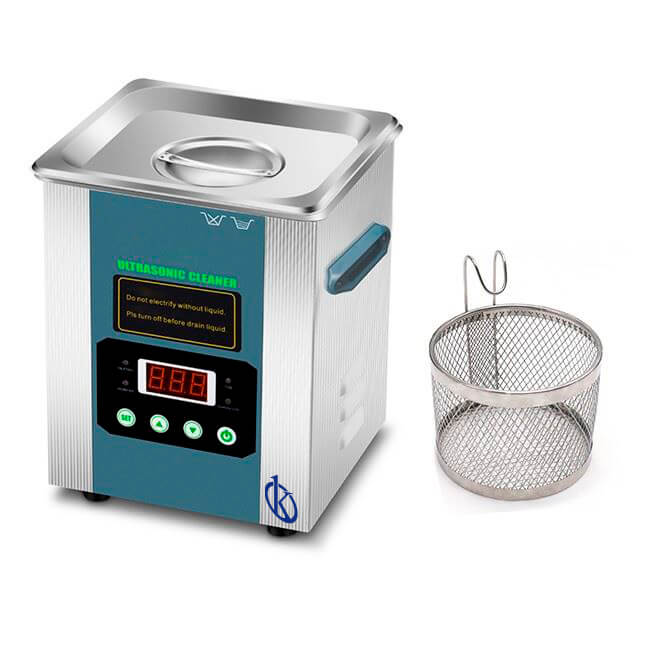
Maximizing ROI with Digital Display Ultrasonic Cleaners: A Comprehensive Analysis
In the ever-evolving landscape of laboratory technology, digital display ultrasonic cleaners have emerged as pivotal tools for enhancing cleaning efficiency and optimizing operational costs. This article delves into the return on investment (ROI) and cost-benefit analysis specific to the different models of digital display ultrasonic cleaners, providing laboratory professionals with the insights needed to make informed purchasing decisions.
Understanding Return on Investment in Laboratory Settings
Return on investment (ROI) is a critical metric for laboratory professionals, especially when considering equipment purchases such as ultrasonic cleaners. ROI evaluates the efficiency of an investment, helping laboratories assess the financial benefits relative to their costs. In the context of ultrasonic cleaners, understanding the initial costs, maintenance, and the long-term benefits of reduced labor and increased cleaning efficiency is essential.
Cost-Benefit Analysis of Digital Display Ultrasonic Cleaners
A thorough cost-benefit analysis for digital display ultrasonic cleaners involves evaluating capital expenditures (CAPEX) against operational expenditures (OPEX). The initial purchase price, such as the YR05208 model at $45.00, the YR05209 at $47.00, and higher-end models like the YR05215 at $202.00, must be weighed against the long-term savings generated by enhanced cleaning capabilities. Additionally, the improved throughput can minimize labor costs, leading to attractive ROI figures.
Comparison of Available Models
| Model | Initial Cost (USD) | Tank Capacity (L) | Power (W) | Best For |
|---|---|---|---|---|
| YR05208 | 45.00 | 2 | 70 | Jewelry and small components |
| YR05209 | 47.00 | 2 | 70 | General household cleaning |
| YR05212 | 109.00 | 4.5 | 180 | Medical and laboratory equipment |
| YR05213 | 116.00 | 6.8 | 180 | Industrial cleaning |
| YR05214 | 156.00 | 11 | 240 | Heavy-duty cleaning tasks |
| YR05215 | 202.00 | 15 | 360 | High-volume cleaning |
Key Benefits of Digital Display Ultrasonic Cleaners
Digital display ultrasonic cleaners provide numerous benefits, including superior cleaning efficiency and the ability to clean intricate designs that manual methods may miss. By utilizing high-frequency sound waves, these cleaners can remove contaminants from the surfaces of delicate instruments and jewelry, enhancing the longevity and performance of laboratory equipment.
Common Mistakes and How to Avoid Them
Many laboratories make the mistake of underestimating the importance of proper maintenance and calibration of ultrasonic cleaners. To avoid this, it is vital to adhere to manufacturer guidelines for maintenance schedules and ensure regular inspections. Additionally, laboratories should avoid overloading the units, as this can lead to inadequate cleaning results and potential equipment damage.
Energy Efficiency and Sustainability Considerations
In an era where sustainability is becoming a priority, choosing energy-efficient ultrasonic cleaners can significantly reduce a laboratory's carbon footprint. Models such as the YR05212 and YR05215 not only provide powerful cleaning but also consume less energy compared to traditional cleaning methods, presenting both cost savings and environmental benefits.
Technical Comparisons: Choosing the Right Model
Different models of digital display ultrasonic cleaners come with varying features and specifications. For instance, the YR05212 offers a larger tank capacity and higher power, making it suitable for more extensive cleaning tasks, while the YR05208 is designed for portability and smaller jobs. Understanding the technical specifications helps in selecting the right model based on the specific needs of the laboratory.
Frequently Asked Questions
What is the typical ROI for a digital display ultrasonic cleaner in a laboratory?
The ROI for a digital display ultrasonic cleaner, such as the YR05209, can vary but typically yields a payback period of 6-12 months based on reduced labor costs and time savings in cleaning processes.
How do I determine the best ultrasonic cleaner model for my lab’s needs?
To determine the best model, consider factors like tank size, power requirements, and specific cleaning needs. For example, the YR05214 is excellent for heavy-duty tasks, while the YR05208 is more suited for lighter, portable applications.
What energy savings can I expect from using ultrasonic cleaners?
Ultrasonic cleaners like the YR05212 can provide energy savings due to their efficient cleaning processes, which often require less water and detergent compared to manual cleaning methods, thereby lowering operational costs.
How does the tank capacity influence cleaning efficiency in ultrasonic cleaners?
Tank capacity impacts the cleaning efficiency as larger tanks, such as that of the YR05215, allow for bulk cleaning of multiple items simultaneously, thus enhancing throughput and saving time in busy laboratory settings.
What maintenance is required for digital display ultrasonic cleaners?
Regular maintenance includes cleaning the tank, checking transducers, and ensuring the digital controls function correctly. Following these practices can extend the lifespan of models like the YR05213 and maintain their cleaning performance.
How do I ensure compliance with industry standards using ultrasonic cleaners?
Compliance can be achieved by selecting models that meet specific industry standards and maintaining proper cleaning protocols. The YR05209, for instance, is known for its robust design suitable for meeting laboratory compliance requirements.
What are the key advantages of heated ultrasonic cleaners versus non-heated models?
Heated ultrasonic cleaners, such as the YR05214, enhance cleaning effectiveness by allowing solvents to work more efficiently at elevated temperatures, which can help in breaking down tough contaminants quicker than non-heated models.
What factors should be considered for the cost of ultrasonic cleaner operation?
Key factors include energy consumption, labor costs saved, and frequency of use. For instance, using the YR05212 can cut down cleaning time significantly, leading to substantial savings over time.
If you are looking for a fusion of innovation and quality, you have come to the right place. At Kalstein, we offer you the luxury of exploring our exclusive catalog of laboratory equipment. We manufacture every device to the highest standards of excellence. Our intuitive and seamless online purchasing channels are designed for your convenience, securing the most competitive prices. Hesitate no longer — we bring science to life, it is time to become part of our community.