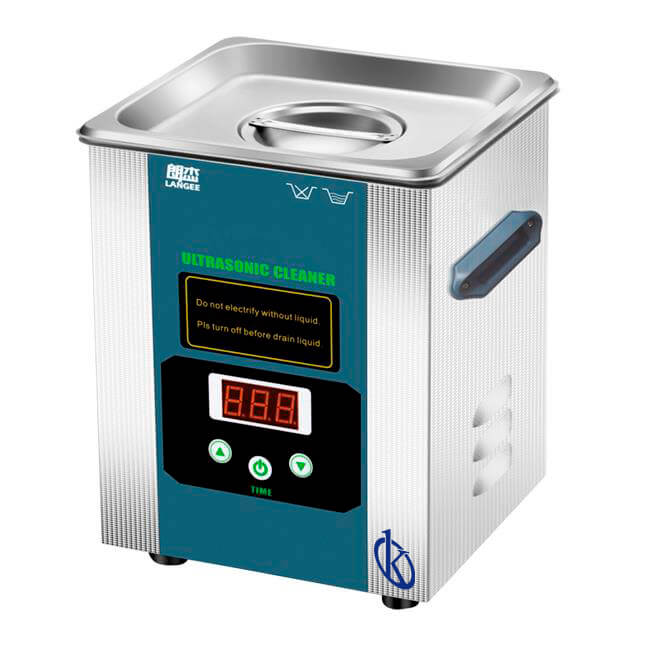
Maximizing ROI with Mechanical Desktop Ultrasonic Cleaners: Cost-Benefit Analysis for Laboratories
In the fast-paced world of laboratory operations, the need for efficient and cost-effective cleaning solutions is paramount. Mechanical Desktop Ultrasonic Cleaners have emerged as valuable tools for various laboratory settings, offering the potential for significant return on investment (ROI) through effective cleaning processes. In this article, we will analyze how these devices can enhance operational efficiency and provide a comprehensive cost-benefit analysis relevant to laboratory professionals.
Understanding Mechanical Desktop Ultrasonic Cleaners
Mechanical Desktop Ultrasonic Cleaners utilize high-frequency sound waves to create microscopic bubbles in a liquid cleaning solution. This process, known as cavitation, allows for thorough cleaning of delicate items, such as laboratory equipment and jewelry, without causing damage. These devices are particularly advantageous in laboratories where cleanliness is critical for compliance with standards and protocols.
Key Benefits of Mechanical Desktop Ultrasonic Cleaners
Mechanical Desktop Ultrasonic Cleaners provide several benefits that contribute to an improved ROI:
- Efficiency: Ultrasonic cleaners operate quickly, often reducing cleaning times significantly compared to manual methods.
- Effectiveness: The cavitation process delivers a more thorough clean, capable of reaching intricate surfaces and crevices.
- Cost-Effectiveness: These devices minimize the need for costly cleaning agents and reduce labor hours spent on cleaning.
Comparison of Available Models
| Model | Capacity (L) | Power (W) | Frequency (kHz) | Price (USD) |
|---|---|---|---|---|
| YR05207 | 1.3 | 70 | 40 | 43.00 |
| YR05202 | 11 | 240 | 40/80/120 | 540.00 |
| YR05203 | 15 | 360 | 40/80/120 | 640.00 |
| YR05204 | 20 | 360 | 40/80/120 | 680.00 |
| YR05205 | 22 | 480 | 40/80/120 | 760.00 |
| YR05206 | 30 | 600 | 40/80/120 | 810.00 |
Quantifying ROI for Mechanical Desktop Ultrasonic Cleaners
To accurately assess the ROI for Mechanical Desktop Ultrasonic Cleaners, it is necessary to evaluate both the capital expenditure (CAPEX) and the operational expenditure (OPEX) associated with their usage. A well-structured cost-benefit analysis will help laboratories make informed purchasing decisions.
Capital Expenditure (CAPEX)
Initial investment in Mechanical Desktop Ultrasonic Cleaners varies significantly based on model and capacity. For example, the YR05207 model has a price of approximately $43.00, making it an economical choice for smaller labs. In contrast, the YR05206 model, priced at $810.00, is suitable for larger operations that require extensive cleaning capabilities.
Operational Expenditure (OPEX)
Ongoing costs include utilities, cleaning solutions, and labor hours. An ultrasonic cleaner can reduce the need for expensive cleaning solvents, which can lead to substantial savings over time. Furthermore, the reduction in cleaning time enhances the productivity of laboratory personnel.
Common Mistakes and How to Avoid Them
Laboratory professionals often face challenges when implementing new cleaning technologies. Here are common mistakes to avoid when integrating Mechanical Desktop Ultrasonic Cleaners:
- Underestimating Cleaning Needs: Assessing the specific cleaning requirements of laboratory equipment is crucial before selecting a model.
- Ignoring Frequency Settings: Different ultrasonic frequencies are suited for various cleaning tasks; selecting a model that offers adjustable frequencies can enhance effectiveness.
- Neglecting Maintenance: Regular maintenance and calibration are essential to ensure optimal performance and longevity of the cleaner.
Frequently Asked Questions
What is the cost advantage of using ultrasonic cleaners for laboratory applications?
The cost advantage of ultrasonic cleaners, like the YR05202, lies in their ability to minimize labor and cleaning agent costs. With a capacity of 11 liters and a price of $540, they significantly reduce cleaning times, translating into lower operational expenses.
How does the frequency of ultrasonic cleaners impact their cleaning capabilities?
Ultrasonic cleaners, such as the YR05203 with 40/80/120 kHz settings, allow for flexibility in cleaning different types of items. Lower frequencies are better for larger items, while higher frequencies provide a more delicate touch for fragile items, enhancing overall cleaning efficiency.
What are the best practices for using Mechanical Desktop Ultrasonic Cleaners?
Best practices include pre-cleaning items, ensuring the tank is filled to the appropriate level, and selecting the right cleaning solution. Additionally, using models like YR05206 that support multiple frequencies allows for optimal cleaning based on the item type.
How can I calculate the payback period for an ultrasonic cleaner investment?
The payback period can be calculated by dividing the initial investment, such as $810 for the YR05206, by the annual savings achieved through reduced labor and cleaning costs. This analysis helps laboratories understand the long-term financial benefits of the cleaner.
Which ultrasonic cleaner model is ideal for larger labs with high cleaning demands?
The YR05206 model is ideal for larger labs, offering a 30-liter capacity and 600W power. Its advanced features enable efficient cleaning for high-demand applications, making it a suitable investment for extensive laboratory operations.
How often should ultrasonic cleaners be maintained for optimal performance?
Regular maintenance is recommended at least every six months for ultrasonic cleaners. This includes cleaning the tank, checking the frequency settings, and ensuring that the ultrasonic generator is functioning correctly to maintain effective cleaning performance.
What is the expected lifespan of a Mechanical Desktop Ultrasonic Cleaner?
The expected lifespan of Mechanical Desktop Ultrasonic Cleaners can range from 5 to 10 years, depending on usage, maintenance, and model specification. Regular servicing, such as that for the YR05205, can greatly extend this lifespan.
What factors should influence my choice of ultrasonic cleaner for laboratory use?
Factors to consider include capacity, power, frequency settings, and price. For instance, the YR05204 is powerful for extensive cleaning tasks, while the YR05207 offers an economical solution for smaller items, influencing cost-effectiveness and efficiency.
If you are looking for a fusion of innovation and quality, you have come to the right place. At Kalstein, we offer you the luxury of exploring our exclusive catalog of laboratory equipment. We manufacture every device to the highest standards of excellence. Our intuitive and seamless online purchasing channels are designed for your convenience, securing the most competitive prices. Hesitate no longer — we bring science to life, it is time to become part of our community.