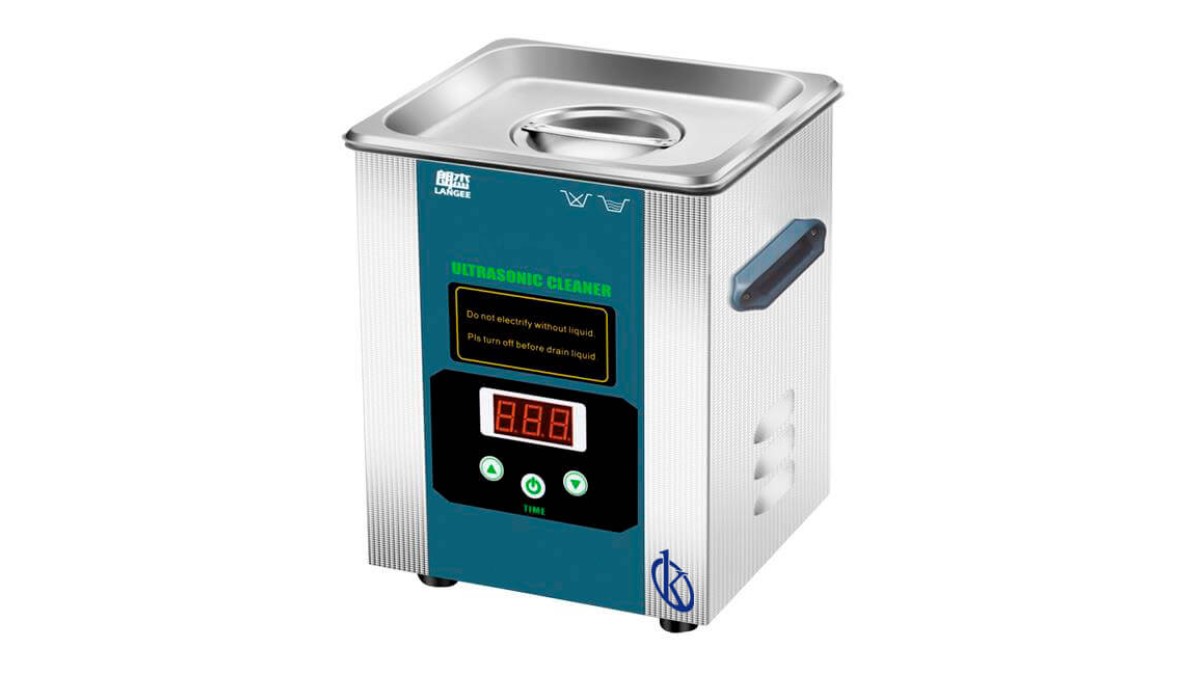
Mechanical Desktop Ultrasonic Cleaners: Applications in Research, Biotechnology, and Academia 2026
What is it used for in 2026
Mechanical desktop ultrasonic cleaners are invaluable tools in laboratories, biotechnological settings, and academic institutions for cleaning delicate items such as jewelry, optical components, laboratory instruments, and medical tools. These devices utilize high-frequency sound waves to create cavitation bubbles in a liquid cleaning solution. When these bubbles collapse, they produce a powerful scrubbing action that thoroughly cleans surfaces without damaging them. In 2026, these cleaners are widely recognized for their effectiveness in removing contaminants, including dirt, grease, and biological residues from surfaces.
History and evolution of the technology
The concept of ultrasonic cleaning dates back to the 1950s, originally used in industrial applications. Over the decades, advancements in microprocessor technology have allowed for more precise control over the cleaning parameters. Initially limited to industrial use, ultrasonic cleaners have evolved to serve smaller-scale applications in laboratories and academia, becoming more compact and accessible without sacrificing cleaning power. Today, they are equipped with multiple frequency settings and enhanced heating capabilities, making them suitable for a diverse range of cleaning tasks.
How to use it step by step
- Prepare the Cleaning Solution: Fill the ultrasonic cleaner's tank with the appropriate cleaning solution, ensuring it is compatible with the items to be cleaned.
- Load the Items: Carefully place the items into the basket, ensuring they are not touching each other to avoid damage.
- Set the Cleaning Parameters: Adjust the frequency and temperature settings based on the cleaning requirements of the items being cleaned.
- Start the Cleaning Cycle: Activate the ultrasonic cleaner and allow it to run for the recommended duration.
- Rinse the Items: After cleaning, rinse the items with distilled water to remove any residual cleaning solution.
- Dry the Items: Thoroughly dry the items using a lint-free cloth or allow them to air dry.
Best techniques and protocols
To achieve optimal cleaning results, follow these best practices:
- Always use the appropriate cleaning solution for the items being cleaned.
- Adjust the frequency according to the type of contamination; lower frequencies for heavy contamination, and higher frequencies for delicate items.
- Regularly maintain and clean the ultrasonic cleaner to ensure efficient operation.
- Monitor cleaning times to prevent overexposure, which can damage fragile items.
Practical applications by laboratory type
Mechanical desktop ultrasonic cleaners are versatile and find applications across various laboratory types:
- Biotechnology Labs: Used for cleaning laboratory tools, glassware, and biological samples.
- Academic Institutions: Ideal for cleaning delicate equipment and instruments used in research and teaching.
- Medical Facilities: Ensures thorough cleaning of surgical instruments and diagnostic tools.
Regulations, standards and certifications
In 2026, ultrasonic cleaners must comply with various standards such as ISO 13485 for medical devices and ISO 9001 for quality management systems. These regulations ensure that the cleaning processes are safe, effective, and consistent, meeting the rigorous demands of laboratory environments.
Comparison with alternative technologies
Compared to manual cleaning methods, ultrasonic cleaners offer superior efficiency, consistency, and safety. Unlike chemical cleaning agents, ultrasonic cleaning is less harsh on delicate items and does not require extensive manual labor, making it a preferred choice in many settings. Other alternatives, such as steam cleaning, may not penetrate small crevices as effectively as ultrasonic methods.
Comparison of available models
| Model | Best for | Key specs | Recommended use case |
|---|---|---|---|
| YR05207 | Jewelry, glasses, and delicate items | 1.3L capacity, 70W power, 40kHz frequency | Best for cleaning small and delicate items. |
| YR05202 | Laboratory and medical use | 11L capacity, 240W power, 40/80/120kHz frequency | Ideal for general laboratory cleaning. |
| YR05203 | Laboratory and medical use | 15L capacity, 360W power, 40/80/120kHz frequency | Suitable for larger items or bulk cleaning. |
| YR05204 | Laboratory and medical use | 20L capacity, 360W power, 40/80/120kHz frequency | Best for cleaning medium-sized instruments. |
| YR05205 | Laboratory and medical use | 22L capacity, 480W power, 40/80/120kHz frequency | Ideal for heavy-duty cleaning tasks. |
| YR05206 | Laboratory and medical use | 30L capacity, 600W power, 40/80/120kHz frequency | Best for high-volume cleaning needs. |
Common mistakes and how to avoid them
Common mistakes when using ultrasonic cleaners include:
- Using the wrong cleaning solution; always verify compatibility.
- Overloading the cleaning basket; items should be placed with space in between.
- Not adjusting the cleaning parameters based on item type; tailor frequency and time to specific needs.
- Neglecting maintenance of the ultrasonic cleaner; regular cleaning and calibration are essential.
Maintenance, calibration and good practices 2026
Regular maintenance includes:
- Cleaning the tank after each use to prevent residue buildup.
- Checking for wear and tear on the transducers and other components.
- Calibrating the device periodically to ensure it operates at optimal performance.
Cost-benefit analysis 2026
Investing in mechanical desktop ultrasonic cleaners offers significant cost savings in the long run. The efficiency and effectiveness of these devices reduce labor costs associated with manual cleaning and minimize the risk of damage to delicate items. Additionally, improved cleaning results can lead to better performance of laboratory instruments, enhancing overall productivity.
Frequently asked questions
What types of items can be cleaned using ultrasonic cleaners?
Ultrasonic cleaners are suitable for a wide range of items including jewelry, laboratory glassware, precision instruments, and medical tools, among others. It's essential to ensure that the items are compatible with the cleaning process.
How do I choose the right ultrasonic cleaner model?
To choose the right model, consider factors such as the size of the items you need to clean, the type of contamination, and the capacity of the cleaner. Higher capacity models are ideal for larger items or higher volume cleaning tasks.
Can ultrasonic cleaning damage delicate items?
While ultrasonic cleaning is effective, it can damage very delicate items if not used correctly. Always adjust the frequency and cleaning time according to the specific needs of the items.
How often should I clean my ultrasonic cleaner?
It's recommended to clean the ultrasonic cleaner after each use to prevent residue buildup, which can affect performance and contaminate future cleaning processes.
What maintenance is required for ultrasonic cleaners?
Regular maintenance involves cleaning the tank, checking components for wear, and calibrating the device to ensure it is operating efficiently.
Can I use any cleaning solution in my ultrasonic cleaner?
No, not all cleaning solutions are compatible with ultrasonic cleaners. It's essential to select a solution that is suitable for the types of items you are cleaning and the specific requirements of the device.
How can I request a quote for ultrasonic cleaners?
You can easily request a quote by contacting us directly. Please reach out to our team, and we will assist you with your needs.
If you are looking for a fusion of innovation and quality, you have come to the right place. At Kalstein, we offer you the luxury of exploring our exclusive catalog of laboratory equipment. We manufacture every device to the highest standards of excellence. Our intuitive and seamless online purchasing channels are designed for your convenience, securing the most competitive prices. Hesitate no longer — we bring science to life, it is time to become part of our community.