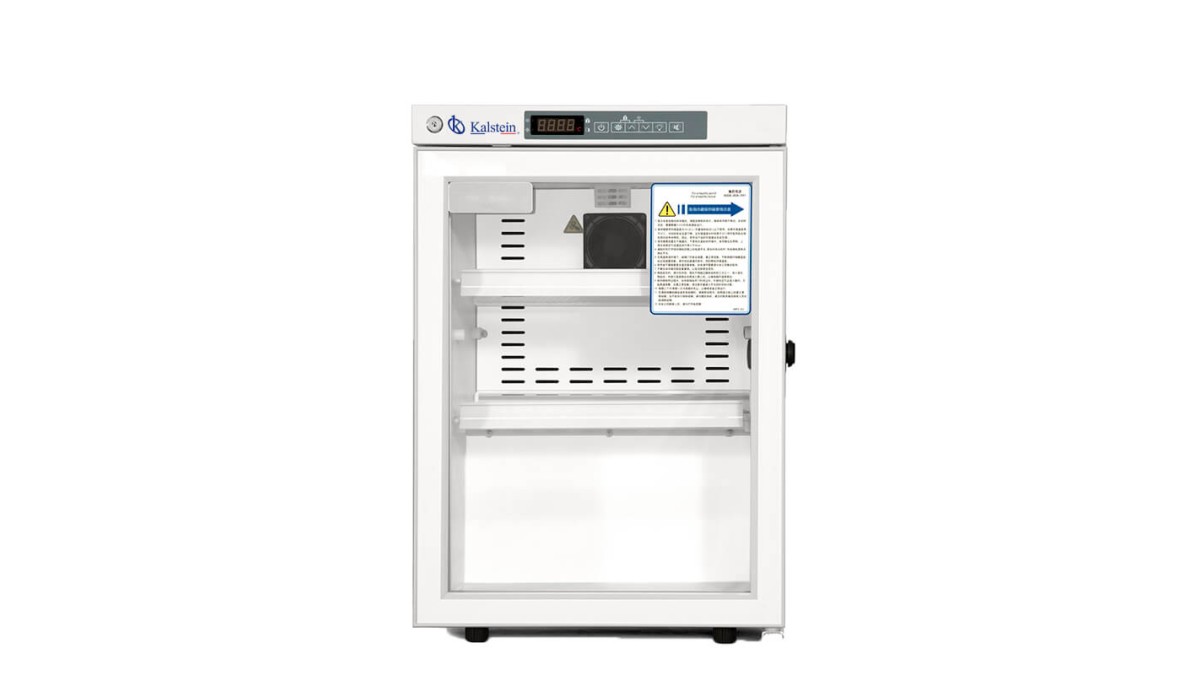
Medical Refrigerators: Practical Applications and Techniques 2026
What is it used for in 2026
Medical refrigerators are essential in various laboratory and hospital settings where precise temperature control is critical for preserving sensitive materials like vaccines, biological samples, and pharmaceuticals. In 2026, their application spans across several domains including vaccine storage, blood plasma preservation, and general laboratory use where temperature-sensitive specimens are involved. Their reliability ensures that medical professionals can trust that the medications or samples they are working with remain viable and effective.
History and evolution of the technology
The concept of refrigeration dates back to the 18th century, but medical refrigerators have evolved significantly since their inception. The first medical refrigerators were simple ice-based systems, which gradually transformed into mechanical cooling units in the late 19th century. By the mid-20th century, advancements in refrigeration technology allowed for more precise temperature control, leading to the development of dedicated medical refrigerators that meet specific health standards. Today, features such as microprocessor controls, digital displays, and advanced alarm systems are common, reflecting the technology's evolution to meet modern medical and laboratory needs.
How to use it step by step
Using a medical refrigerator properly involves several steps to ensure optimal performance:
- Setup: Place the refrigerator in a stable environment away from direct sunlight and heat sources. Ensure proper ventilation around the unit.
- Power On: Plug the refrigerator into a reliable power source and turn it on.
- Temperature Setting: Set the desired temperature according to the materials you intend to store. Most medical refrigerators operate best within a 2-8°C range.
- Load Management: Organize stored items to allow for proper air circulation. Avoid overloading the unit.
- Regular Monitoring: Frequently check the temperature display and alarm system. Adjust settings if necessary.
- Documentation: Maintain logs of temperature readings and any incidents that may affect the stored items.
Best techniques and protocols
To maximize the efficiency and reliability of medical refrigerators, adhere to the following protocols:
- Regularly calibrate the temperature sensors to ensure accuracy.
- Implement a temperature monitoring system that includes alarms for deviations.
- Keep the refrigerator clean and organized to prevent contamination.
- Use insulating materials to minimize temperature fluctuations during door openings.
- Schedule routine maintenance checks to identify potential issues before they arise.
Practical applications by laboratory type
Different types of laboratories employ medical refrigerators based on their unique requirements:
- Clinical Laboratories: Utilize medical refrigerators for storing blood samples, reagents, and diagnostic kits where temperature control is essential for test integrity.
- Pharmaceutical Labs: Store vaccines and pharmaceuticals that require strict temperature ranges to maintain effectiveness.
- Research Facilities: Preserve biological samples, cultures, and chemicals with specific storage requirements to support ongoing research.
Regulations, standards and certifications
Medical refrigerators must comply with various regulations and standards to ensure safety and efficacy. Common guidelines include:
- FDA regulations for medical devices in the United States.
- ISO standards for quality management systems.
- Good Manufacturing Practices (GMP) applicable to pharmaceutical storage.
- Local health department regulations specific to medical refrigeration.
Comparison with alternative technologies
While medical refrigerators are essential, alternatives exist such as:
- Freezers: Used for long-term storage of biological materials at lower temperatures.
- Cryogenic storage: Appropriate for samples requiring ultra-low temperatures.
- Coolers: Portable options for short-term transportation of temperature-sensitive materials.
Comparison of available models
| Model | Best for | Key specs | Recommended use case |
|---|---|---|---|
| YR05083 | Vaccine storage | Temperature range: 2-8°C, Energy consumption: 0.84 kWh/24h | Storing vaccines and sensitive materials in clinics |
| YR05085 | Pharmaceuticals | Temperature range: 2-8°C, Energy consumption: 3.97 kWh/24h | Storing large quantities of pharmaceutical products |
| YR05086 | Biological samples | Temperature range: 2-8°C, Energy consumption: 5.75 kWh/24h | Preserving biological samples in research labs |
| YR05087 | General laboratory use | Temperature range: 2-8°C, Energy consumption: 6.23 kWh/24h | Storing various laboratory materials |
| YR05286-1 | Pharmacy use | Temperature range: 2-8°C, Energy consumption: 1190.00 | Used in pharmacies for optimal cooling of medications |
| YR05288 | Cold storage | Temperature range: 2-8°C, Energy consumption: 2.2 kWh/24h | Storing sensitive vaccines and pharmaceuticals |
Common mistakes and how to avoid them
Many users make mistakes that can compromise the effectiveness of medical refrigerators:
- Not routinely checking the temperature: Regular checks can prevent damage to temperature-sensitive materials.
- Overloading the refrigerator: This can restrict airflow and lead to temperature inconsistencies.
- Ignoring alarm systems: Failing to address alarms can lead to critical failures.
- Neglecting maintenance: Regular maintenance is vital to ensure the longevity and reliability of the unit.
Maintenance, calibration and good practices 2026
To ensure optimal operation, follow these maintenance practices:
- Perform regular cleaning of the exterior and interior surfaces.
- Calibrate temperature sensors biannually or as recommended by the manufacturer.
- Inspect and replace door seals to prevent air leaks.
- Keep a maintenance log to track any repairs or calibration activities.
Cost-benefit analysis 2026
Investing in a medical refrigerator involves evaluating costs versus benefits:
- Initial investment: Consider the purchase price of different models.
- Operational costs: Factor in energy consumption, maintenance, and potential downtime.
- Benefits: Assess the implications of losing valuable samples or medications due to improper storage.
When properly maintained, medical refrigerators can provide a high return on investment through the protection of critical materials.
Frequently asked questions
What are the main features to look for in a medical refrigerator?
Key features include precise temperature control, an intuitive monitoring system, alarm functionalities for temperature deviations, and sufficient storage capacity based on your needs.
How often should I calibrate my medical refrigerator?
Calibration should generally be conducted every six months or before important events such as vaccine installations or when experiencing temperature inconsistencies.
Can I use a regular refrigerator for storing medical supplies?
No, regular refrigerators lack the specific temperature control features and alarm systems necessary for the safe storage of medical supplies.
What is the ideal temperature range for medical refrigerator storage?
The ideal temperature range for most medical refrigerators is between 2°C to 8°C for preserving the efficacy of vaccines and pharmaceuticals.
What maintenance practices are essential for medical refrigerators?
Essential practices include regular cleaning, calibration of sensors, checking alarms, and routine checks for door seal integrity to ensure efficiency.
How do I choose the right model for my laboratory?
Assess your specific storage needs, available space, and the types of materials you’ll be storing to determine the most suitable model.
Where can I find reliable medical refrigerators?
You can find reliable medical refrigerators from specialized suppliers, such as Kalstein, who offer a wide range of options tailored to various laboratory needs.
If you are looking for a fusion of innovation and quality, you have come to the right place. At Kalstein, we offer you the luxury of exploring our exclusive catalog of laboratory equipment. We manufacture every device to the highest standards of excellence. Our intuitive and seamless online purchasing channels are designed for your convenience, securing the most competitive prices. Hesitate no longer — we bring science to life, it is time to become part of our community.