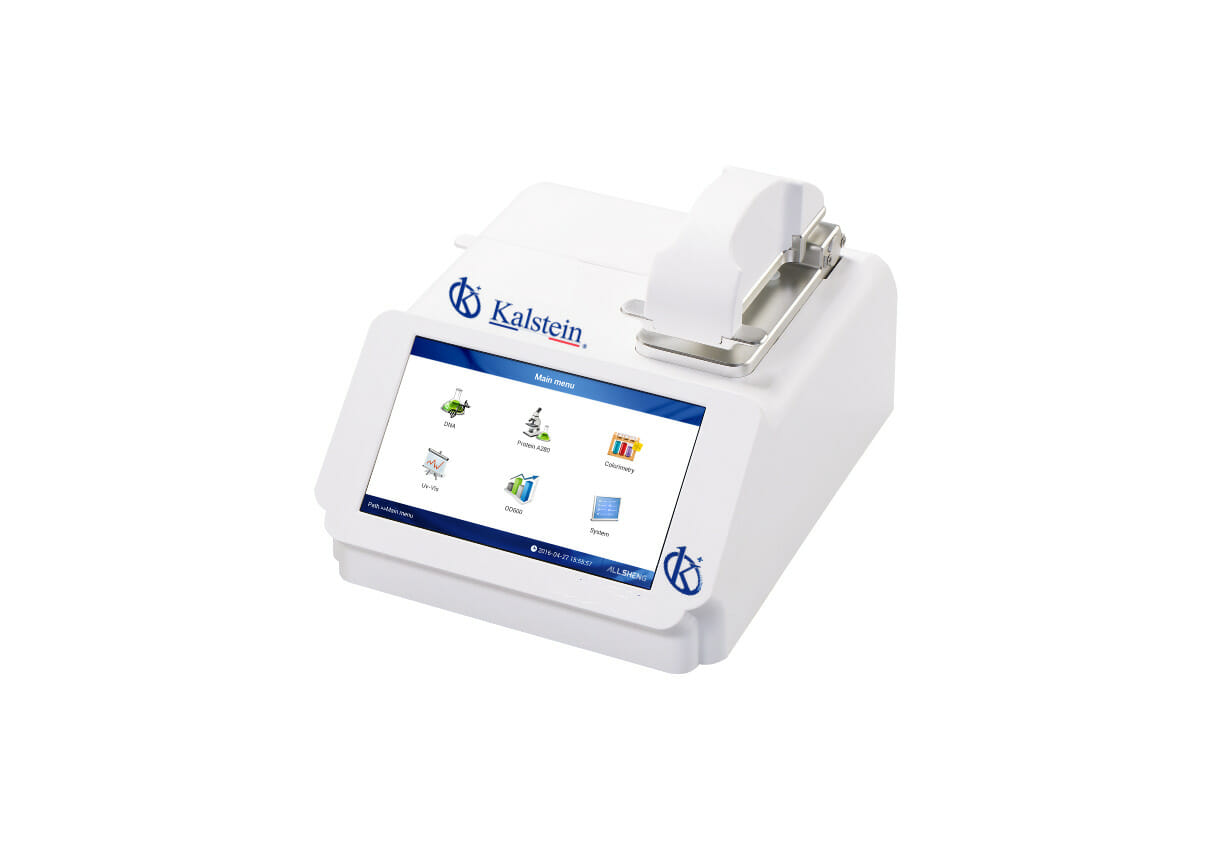
Micro-Spectrophotometers: Practical Step-by-Step Usage Guide in 2026
Micro-spectrophotometers are essential instruments in the modern laboratory, enabling rapid and precise measurements of nucleic acids, proteins, and various cellular solutions. This guide aims to provide laboratory professionals with a comprehensive understanding of how to effectively utilize these instruments in 2026.
What is it used for in 2026
Micro-spectrophotometers are primarily used for the quantification and analysis of nucleic acids (DNA, RNA) and proteins in small sample volumes. They enable researchers to determine sample purity and concentration quickly, facilitating various applications, including:
- Biochemical analysis
- Quality control in molecular biology
- Cell culture monitoring
- Research in genomics and proteomics
In 2026, advancements in technology have improved the speed and accuracy of these devices, making them indispensable tools in genetic and biochemical laboratories.
History and evolution of the technology
The development of micro-spectrophotometers emerged from the evolution of traditional spectrophotometry. Initially, spectrophotometers required larger sample sizes and were less efficient. Over the years, innovations have miniaturized the technology, allowing for micro-volume measurements. The integration of advanced light sources, sensitive detectors, and user-friendly interfaces has significantly enhanced the functionality and accessibility of micro-spectrophotometers.
How to use it step by step
Using a micro-spectrophotometer involves several straightforward steps:
- Preparation: Gather all necessary samples and ensure the instrument is calibrated.
- Sample Loading: Introduce 1-2 µL of the sample onto the measurement platform as per the specific model instructions.
- Device Settings: Select the appropriate wavelength for your analysis (e.g., 260 nm for nucleic acids).
- Measurement: Initiate the measurement process and wait for the results to be displayed on the screen.
- Data Review: Analyze the output data for concentration and purity metrics.
- Cleaning: Clean the measurement area after use to avoid cross-contamination.
Best techniques and protocols
Effective usage of micro-spectrophotometers requires adherence to best practices and protocols such as:
- Using fresh and clean micro-cuvettes or slides for each measurement.
- Calibrating the device regularly to maintain accuracy.
- Preparing standards for comparative analysis.
- Documenting all measurements and results for reproducibility.
Practical applications by laboratory type
Micro-spectrophotometers find applications across various laboratory settings:
- Molecular Biology Labs: For quantifying nucleic acids and proteins.
- Clinical Laboratories: For assessing sample quality in diagnostics.
- Research Facilities: For conducting experiments in genomics and proteomics.
- Quality Control Labs: For ensuring the quality and consistency of reagents and samples.
Regulations, standards and certifications
In 2026, compliance with various regulations and standards is crucial for laboratories using micro-spectrophotometers. These may include:
- ISO 9001 for quality management systems.
- ISO 17025 for laboratory competence and testing.
- FDA regulations for clinical laboratory testing.
Comparison with alternative technologies
Compared to traditional spectrophotometers, micro-spectrophotometers offer significant advantages:
- Reduced sample volume requirements.
- Faster result turnaround times.
- Improved sensitivity and specificity for low-concentration samples.
These advantages make micro-spectrophotometers preferable in many research and clinical scenarios.
Comparison of available models
| Model | Best for | Key specs | Recommended use case |
|---|---|---|---|
| YR06033-1 | Nucleic acid and protein analysis | Wavelength: 200-800 nm, Sample size: 0.5-2.0 µl | Routine quantification in molecular biology |
| YR06034 | DNA and RNA concentration measurement | Wavelength: 260 nm, 280 nm, Sample size: 1-2.0 µl | Quick purity assessment of nucleic acids |
| YR06035 | Bacterial concentration measurement | Wavelength: 200-800 nm, Sample size: 0.5-2.0 µl | Monitoring bacterial growth in cultures |
| YR06033 | Comprehensive biochemical analysis | Wavelength: 190-1100 nm, Sample size: 1 µl | Advanced research applications |
Common mistakes and how to avoid them
Laboratory professionals often encounter pitfalls when using micro-spectrophotometers. Common mistakes include:
- Not calibrating the instrument before use.
- Using contaminated or old samples.
- Failing to clean the measurement area between samples.
- Ignoring the device's temperature and environmental conditions.
To avoid these issues, ensure thorough training and adherence to standard operating procedures.
Maintenance, calibration and good practices 2026
Regular maintenance and calibration are vital to ensure the longevity and accuracy of micro-spectrophotometers:
- Follow the manufacturer's guidelines for routine maintenance.
- Calibrate the device using standard solutions before starting any analysis.
- Conduct performance checks periodically to ensure consistent results.
Cost-benefit analysis 2026
Investing in a micro-spectrophotometer provides significant cost benefits:
- Reduction in sample waste due to minimal volume requirements.
- Increased efficiency leading to time savings in laboratory workflows.
- Improved accuracy reduces the likelihood of retesting, saving both time and resources.
In 2026, these instruments remain a valuable investment for laboratories focused on precision and efficiency.
Frequently asked questions
What is the minimum sample volume required for a micro-spectrophotometer?
The minimum sample volume varies by model, but generally ranges from 0.5 µL to 2 µL.
How often should I calibrate my micro-spectrophotometer?
It is recommended to calibrate your micro-spectrophotometer before each use or at least daily if used frequently.
Can I use a micro-spectrophotometer for measuring proteins?
Yes, micro-spectrophotometers are effective for measuring both nucleic acids and proteins.
What are the best practices for cleaning a micro-spectrophotometer?
Use lint-free wipes and appropriate cleaning solutions to clean the measurement area after each use to avoid contamination.
How does the data output compare to traditional spectrophotometers?
Micro-spectrophotometers provide similar data outputs to traditional spectrophotometers but with improved sensitivity and faster results.
What are the advantages of using a micro-spectrophotometer over a traditional spectrophotometer?
Micro-spectrophotometers require less sample volume, offer faster measurements, and generally have higher sensitivity for lower concentrations.
Where can I request a quote for a micro-spectrophotometer?
You can request a quote directly from our website to explore our range of micro-spectrophotometers and other laboratory equipment.
If you are looking for a fusion of innovation and quality, you have come to the right place. At Kalstein, we offer you the luxury of exploring our exclusive catalog of laboratory equipment. We manufacture every device to the highest standards of excellence. Our intuitive and seamless online purchasing channels are designed for your convenience, securing the most competitive prices. Hesitate no longer — we bring science to life, it is time to become part of our community.