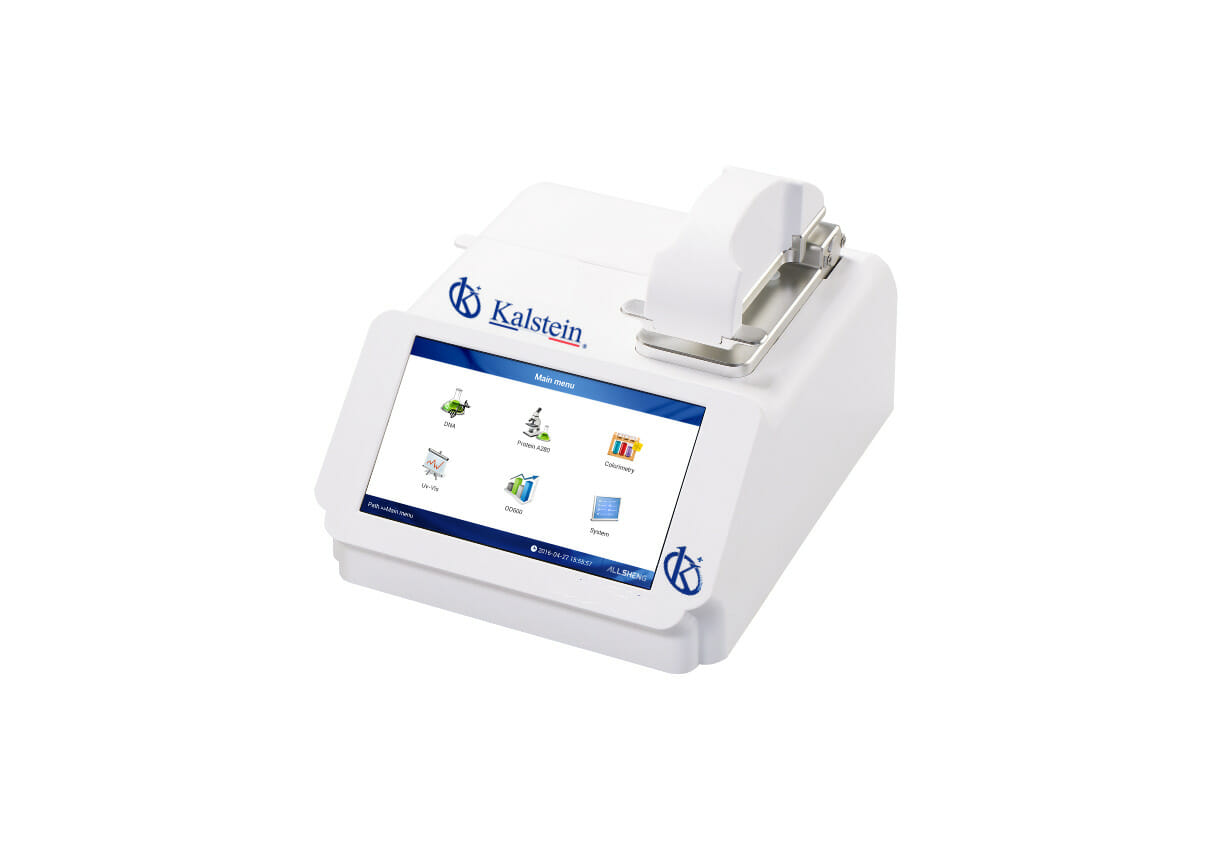
Micro Spectrophotometers in University Research: Applications and Use Cases
Micro spectrophotometers play a crucial role in the laboratory settings of universities and academic institutions. They are invaluable for researchers who require precise measurements of small sample volumes, which is often essential when working with biopharmaceuticals, nucleic acids, and proteins. This article delves into the applications of micro spectrophotometers in university research, comparing various models and discussing their utility in academic projects.
Understanding the Role of Micro Spectrophotometers in Academic Research
Micro spectrophotometers are specialized instruments designed for determining the concentration and purity of nucleic acids and proteins, providing critical data for various research applications. Their ability to analyze small sample sizes—ranging from just 0.5 to 2 µL—makes them indispensable in academic labs where resources may be limited. The advent of these compact devices has transformed workflows, making them more efficient and cost-effective.
In academic research, particularly in fields like molecular biology and biochemistry, micro spectrophotometers are frequently utilized for tasks such as DNA quantification, RNA analysis, and protein concentration assessments. This ensures that researchers can produce reproducible results, a critical requirement for thesis work and peer-reviewed publications.
Applications of Micro Spectrophotometers in University Research
Micro spectrophotometers are versatile tools that facilitate a variety of applications within university research. Here are several key areas where these instruments shine:
- DNA and RNA Quantification: Accurate measurement of nucleic acids is essential for molecular cloning, sequencing, and PCR amplification. Micro spectrophotometers provide rapid and precise results that are vital for downstream applications.
- Protein Analysis: Determining protein concentration and purity is foundational in studies involving enzymes, pharmaceuticals, and biochemical pathways. These instruments help ensure that experiments are conducted with samples of known quality.
- Cultivation Studies: For microbiology projects, the ability to measure bacterial growth by analyzing optical density (OD) is crucial. Some micro spectrophotometers, like the YR06033-1, are equipped to measure bacterial concentrations, fostering research in microbial physiology.
Comparison of Available Models
| Model | Wavelength Range | Minimum Sample Size (µL) | Price (USD) | Best Suited For |
|---|---|---|---|---|
| YR06033-1 | 200-800 nm | 0.5-2.0 | 5040.00 | DNA/RNA quantification, bacterial concentration |
| YR06034 | 260/280 nm | 1-2.0 | 2520.00 | Basic nucleic acid analysis |
| YR06035 | 200-800 nm | 0.5-2.0 | 6090.00 | Advanced protein and nucleic acid studies |
| YR06033 | 190-1100 nm | 1.0 | 7500.00 | Comprehensive analysis across multiple applications |
Common Mistakes and How to Avoid Them
When utilizing micro spectrophotometers in academic research, several common pitfalls can lead to inaccurate results:
- Neglecting Calibration: Failing to calibrate instruments regularly can result in drift, affecting measurement accuracy. Always perform calibration checks according to manufacturer guidelines.
- Inadequate Sample Preparation: Improper sample handling and preparation can introduce contaminants, leading to erroneous results. Ensure all samples are purified and free from interfering substances.
- Ignoring Manufacturer Specifications: Each model has specific operational requirements and limitations. Adhering to these specifications is critical for achieving reliable results.
Optimizing Micro Spectrophotometer Use in Research
Maximizing the utility of micro spectrophotometers in university settings requires strategic planning:
- Multi-User Scheduling: Implementing a scheduling system can avoid conflicts and ensure that resources are utilized efficiently.
- Training Sessions: Regular training for lab members on the correct use and maintenance of micro spectrophotometers can minimize errors and enhance productivity.
- Integrating with LIMS: Linking research data obtained from micro spectrophotometers to Laboratory Information Management Systems (LIMS) can streamline data management and analysis processes.
Frequently Asked Questions
What is the best micro spectrophotometer for DNA analysis in academic projects?
The YR06033-1 is an excellent choice for DNA analysis in academic projects, offering a wavelength range of 200-800 nm and requiring only 0.5-2.0 µL of sample. This model provides rapid, precise measurements, making it suitable for various applications in molecular biology.
How can micro spectrophotometers improve research efficiency in universities?
Micro spectrophotometers enhance research efficiency by allowing quick and accurate analysis of small samples, as seen with models like the YR06034, which requires only 1-2 µL for nucleic acid quantification. This capability reduces sample waste and expedites experimental workflows.
What features should I look for in a micro spectrophotometer for protein quantification?
When selecting a micro spectrophotometer for protein quantification, consider models like the YR06035, which has a wide wavelength range (200-800 nm) and a minimum sample size of 0.5-2.0 µL. Essential features include rapid measurement time and high accuracy in absorbance readings.
Which micro spectrophotometer is best for multi-user scenarios in university labs?
The YR06033 model is ideal for multi-user scenarios, thanks to its user-friendly interface and capabilities across a wide range of applications. Its independent operation eliminates the need for an external PC, making it easy for multiple users to access and operate.
How do micro spectrophotometers support grant-friendly research setups?
Micro spectrophotometers like the YR06034 are budget-friendly options that require minimal sample volumes, making them cost-effective for grant-funded projects. Their efficiency in providing quick results can help researchers meet project timelines without incurring high costs.
What are the key specifications to consider for a micro spectrophotometer in life science research?
Key specifications include wavelength range (200-800 nm for models like YR06035), minimum sample size (0.5-2.0 µL), and measurement speed (under 5-6 seconds). Higher accuracy and reliability enhance data quality crucial for life sciences research.
How can I ensure the accuracy of measurements from a micro spectrophotometer?
To ensure measurement accuracy, adhere to proper calibration protocols, use clean and well-prepared samples, and regularly maintain the equipment. Following the manufacturer's guidelines, particularly for models such as YR06033-1, is essential for reliable outcomes.
What is the expected lifespan of a micro spectrophotometer used in university laboratories?
The expected lifespan of a micro spectrophotometer can vary, but with proper maintenance and regular calibration, models like the YR06035 can last several years, providing consistent performance throughout their lifecycle.
If you are looking for a fusion of innovation and quality, you have come to the right place. At Kalstein, we offer you the luxury of exploring our exclusive catalog of laboratory equipment. We manufacture every device to the highest standards of excellence. Our intuitive and seamless online purchasing channels are designed for your convenience, securing the most competitive prices. Hesitate no longer — we bring science to life, it is time to become part of our community.