Microtome Series: Techniques and Protocols in 2026
What is it used for in 2026
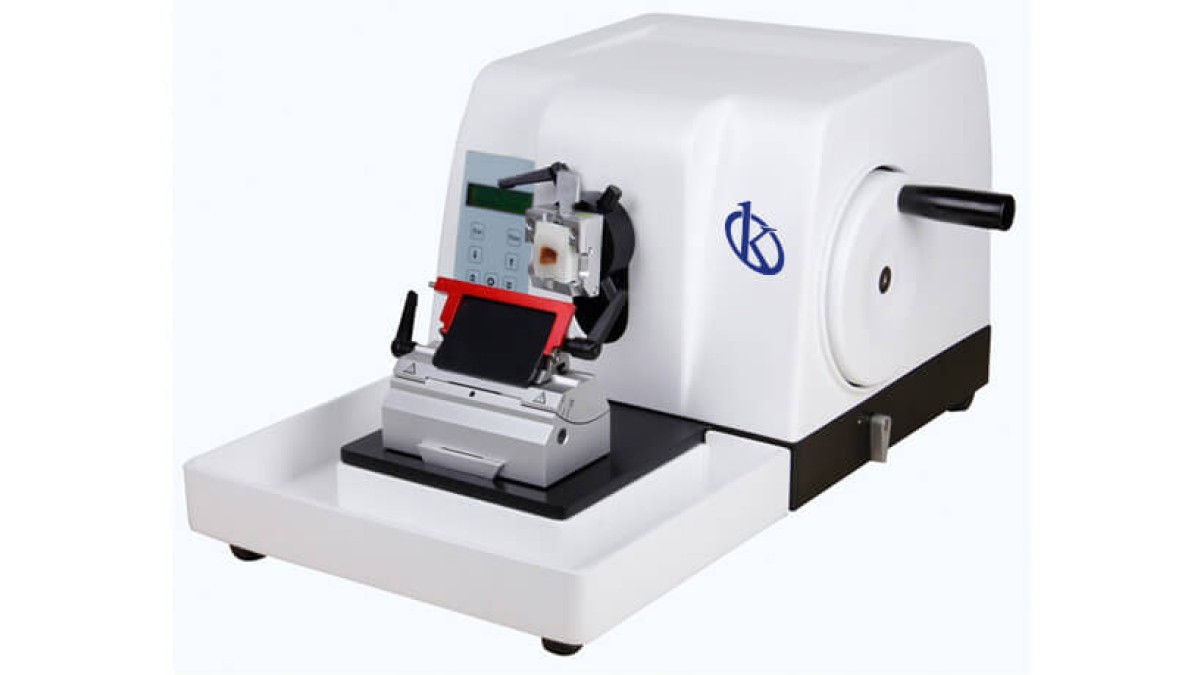
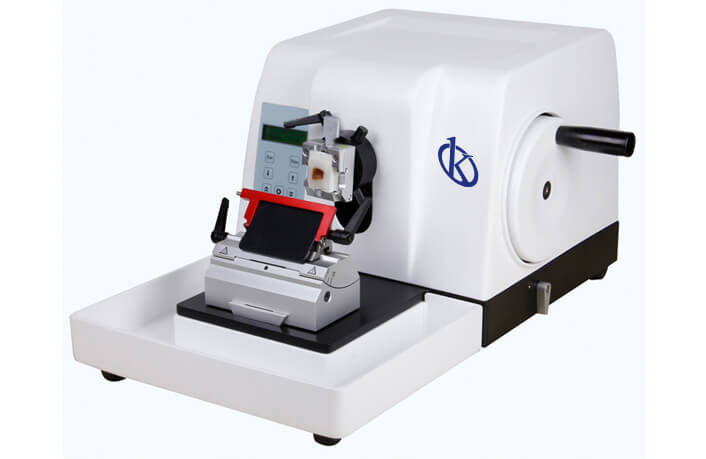
The Microtome Series is essential in histology and pathology labs for slicing samples into thin sections that can be analyzed microscopically. In 2026, the use of microtomes has expanded to incorporate advanced technologies that enhance precision and user experience. These devices facilitate the preparation of tissue samples for various applications, including cancer research, genetic studies, and educational purposes.
History and evolution of the technology
The microtome has evolved significantly since its inception in the 19th century. Early microtomes were simple instruments that relied on manual techniques. Over time, advancements in materials and mechanics led to the development of semi-automatic and fully automatic models. Modern microtomes now utilize features like electronic controls, automated sectioning, and improved blade mechanics to ensure accuracy and reproducibility.
How to use it step by step
Using a microtome involves a systematic approach:
- Preparation of Samples: Embed the tissue in paraffin or another medium to create a solid block.
- Setting the Microtome: Adjust the section thickness using the settings on the microtome.
- Loading the Sample: Place the embedded block in the microtome and secure it.
- Sectioning: Activate the sectioning mechanism, either manually or automatically, to produce thin slices.
- Collecting Sections: Use a brush or forceps to collect the sections onto glass slides.
- Staining: Stain the sections for microscopic examination.
Best techniques and protocols
In 2026, the best practices for using microtomes include:
- Regular calibration and maintenance to ensure optimal performance.
- Using high-quality blades to achieve uniform sections.
- Controlling environmental factors such as temperature and humidity to avoid sample deformation.
- Implementing protocols for routine cleaning and sanitization of equipment.
Practical applications by laboratory type
Different types of laboratories benefit from microtome technology:
- Clinical Pathology: For diagnostic purposes, tissue samples are cut and stained to identify diseases.
- Research Laboratories: Used in studies for cancer, immunology, and molecular biology.
- Educational Institutions: Provide practical training in histology techniques.
Regulations, standards and certifications
Microtomes must comply with various regulations and standards to ensure safety and effectiveness. In 2026, important certifications include ISO 9001 for quality management and CE marking for compliance with European health and safety standards. Laboratories should also adhere to Good Laboratory Practices (GLP) to ensure reliable results.
Comparison with alternative technologies
Compared to alternative sectioning technologies like cryostats and ultramicrotomes, microtomes offer unique advantages:
- Microtomes: Cost-effective, versatile, and suitable for paraffin-embedded tissues.
- Cryostats: Best for frozen sections but require additional training and maintenance.
- Ultramicrotomes: Used for electron microscopy, offering higher precision but at a higher cost.
Comparison of available models
| Model | Best for | Key specs | Recommended use case |
|---|---|---|---|
| YR417-1 | General purpose sectioning | Price: $5200.00 | Ideal for basic histological applications. |
| YR416 | High-demand sectioning | Price: $3600.00 | Best for universal multi-use applications. |
| YR417 | Histology and pathology | Price: $4000.00 | Recommended for variable laboratory environments. |
| YR420 | Histological sectioning | Price: $2400.00 | Best for consistent performance in busy labs. |
| YR421 | High-precision sectioning | Price: $2400.00 | Ideal for detailed histological studies. |
| YR422 | General laboratory use | Price: $1200.00 | Great for entry-level histology applications. |
Common mistakes and how to avoid them
Common mistakes when using microtomes include:
- Incorrect blade installation: Always ensure blades are securely attached to avoid accidents.
- Improper sample embedding: Ensure tissues are correctly embedded to maintain integrity during sectioning.
- Neglecting maintenance: Regular maintenance checks prevent malfunctions that can lead to poor section quality.
Maintenance, calibration and good practices 2026
Maintaining a microtome involves:
- Frequent cleaning to remove debris and prevent blade dulling.
- Routine calibration to ensure accurate thickness settings.
- Check the alignment of the microtome regularly to maintain precision in sectioning.
Cost-benefit analysis 2026
The investment in a microtome should be weighed against its potential benefits:
- Initial Cost: Varies from $1200 to $5200 depending on model and features.
- Return on Investment: Improved efficiency, reduced sample waste, and enhanced accuracy can offset the initial purchase cost over time.
Frequently asked questions
How do I choose the right microtome for my laboratory?
Consider the types of samples you'll be processing, the required precision, and your budget. Assess each model's capabilities in relation to your specific needs.
What are the main differences between semi-automatic and manual microtomes?
Semi-automatic microtomes offer automated sectioning which enhances efficiency, while manual microtomes require more manual labor and skill but can be more flexible for varied applications.
How often should I calibrate my microtome?
Calibration should be performed at regular intervals, typically monthly, or any time significant maintenance or repairs are made. This ensures consistent section quality.
What is the best practice for maintaining sharp blades?
Regularly clean blades after each use, avoid cutting hard materials, and replace blades as soon as they show signs of dullness to maintain cutting efficiency.
How can I improve the quality of my tissue sections?
Ensure proper embedding, maintain optimal sectioning environments, and use high-quality microtome blades. Following best practices in handling will also contribute to better results.
Is training necessary for using a microtome?
Yes, proper training is crucial for achieving high-quality results and ensuring the safe operation of the equipment.
Where can I request a quote for microtome equipment?
You can request a quote on various microtome models through our designated channels, ensuring you find the best equipment for your laboratory needs.
If you are looking for a fusion of innovation and quality, you have come to the right place. At Kalstein, we offer you the luxury of exploring our exclusive catalog of laboratory equipment. We manufacture every device to the highest standards of excellence. Our intuitive and seamless online purchasing channels are designed for your convenience, securing the most competitive prices. Hesitate no longer — we bring science to life, it is time to become part of our community.