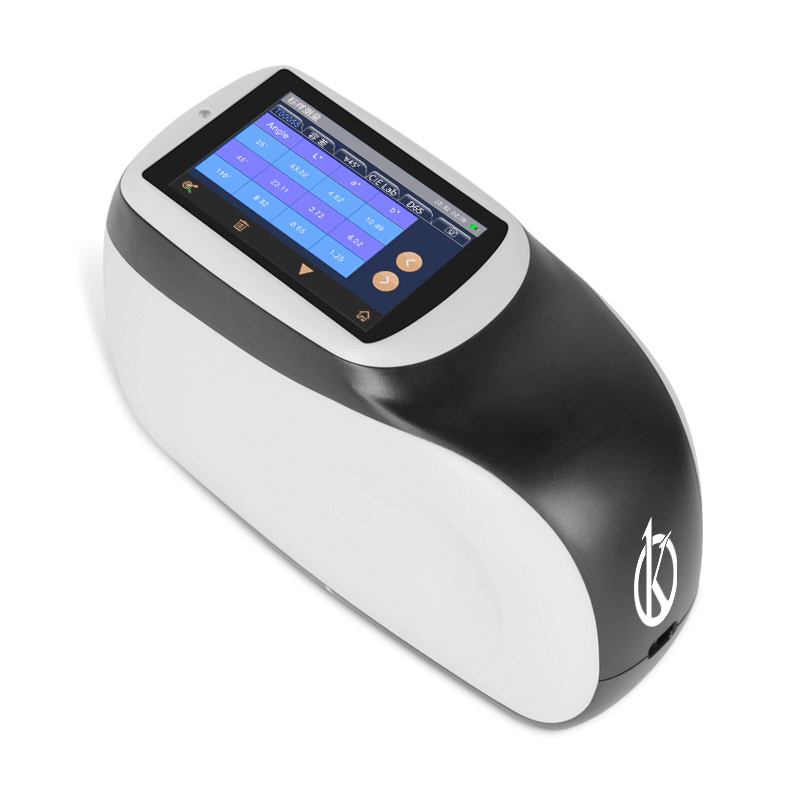
Multi Angles Spectrophotometers: Practical Applications and Techniques 2026
What is it used for in 2026
Multi Angles Spectrophotometers are precision instruments essential for color measurement in various laboratory settings, particularly in clinical and hospital laboratories. In 2026, these instruments are primarily used for assessing color differences in coatings, textiles, plastics, and other materials where color consistency is vital. They facilitate accurate color measurement under multiple angles, providing comprehensive analysis that single-angle devices cannot achieve. This capability is crucial for industries requiring stringent color matching standards, such as manufacturing, pharmaceuticals, and environmental testing.
History and evolution of the technology
The journey of spectrophotometry began in the mid-19th century with the development of basic light measurement tools. However, the revolution of Multi Angles Spectrophotometers can be traced back to advancements in optical technology and microcontroller units (MCUs). The integration of industrial-grade MCUs in models such as the YR05491 and YR05492 has led to significant improvements in measurement accuracy and stability. Over the decades, spectrophotometers have evolved from basic color measurement systems to sophisticated devices capable of multi-angle analysis, enhancing their utility across various fields.
How to use it step by step
Using a Multi Angles Spectrophotometer involves several key steps:
- Preparation: Ensure that the instrument is calibrated according to the manufacturer’s specifications. Check that the light source and receiver components are functioning properly.
- Sample Setup: Place the sample on the measurement platform, ensuring it is clean and free of obstructions. Adjust the sample position to align with the measurement angle.
- Configuration: Select the desired measurement angles (e.g., 15°, 45°, 75°, etc.) based on the requirements of your analysis.
- Measurement: Initiate the measurement process. The instrument will record color data from the selected angles.
- Data Analysis: After completing the measurements, analyze the data using the accompanying software. Generate reports to evaluate color consistency.
- Documentation: Document the findings and save the measurement data for future reference and comparison.
Best techniques and protocols
To achieve the best results from Multi Angles Spectrophotometers, it is essential to follow established techniques and protocols:
- Calibration: Perform regular calibration using standardized color samples to ensure accuracy.
- Environmental Control: Conduct measurements in a controlled environment to minimize the impact of light variations and temperature fluctuations.
- Sample Preparation: Ensure samples are prepared consistently, and avoid contaminants that may affect measurements.
- Multiple Angle Measurements: Utilize multiple angles for comprehensive analysis, especially when assessing gloss and texture effects on color perception.
- Data Management: Implement robust data management practices to track measurements and ensure traceability.
Practical applications by laboratory type
Different laboratories utilize Multi Angles Spectrophotometers in specific ways:
- Clinical Laboratories: Used to assess the colorimetric properties of pharmaceuticals and biological samples, ensuring consistency and compliance with health regulations.
- Industrial Laboratories: Essential for quality control in manufacturing, particularly in the coating, plastic, and textile industries where color consistency is crucial.
- Research Laboratories: Employed in studies where color differences impact material properties, such as in chemistry and materials science.
Regulations, standards and certifications
In 2026, the use of Multi Angles Spectrophotometers is guided by various regulations and standards:
- ASTM Standards: Compliance with ASTM D 2244, E 308, and E 1164 to ensure reliable color measurement.
- ISO Standards: Adherence to ISO 7724 and 11664-4 for color measurement methods, ensuring international consistency.
- Quality Certifications: Instruments should meet quality certifications relevant to specific industries, ensuring they deliver accurate and repeatable results.
Comparison with alternative technologies
When comparing Multi Angles Spectrophotometers with alternative technologies, several factors stand out:
- Single Angle Spectrophotometers: While they are less expensive, they provide limited information about color consistency across different viewing angles.
- Colorimeters: These devices are suitable for basic color measurement but do not offer the multi-angle capabilities essential for detailed analysis.
- Visual Assessment: Subjective and prone to human error, visual methods lack the precision and reliability of spectrophotometric measurements.
Comparison of available models
| Model | Best for | Key specs | Recommended use case |
|---|---|---|---|
| YR05491 | Multi-angle color measurement | 8 measurement angles, $8730.00 | Excellent for high-precision color difference measurement in coatings. |
| YR05492 | Comprehensive color analysis | 12 measurement angles, $13492.00 | Best for applications requiring extensive color evaluation and consistency assurance. |
| YR05488 | Basic multi-angle analysis | 3 measurement angles, $2857.00 | Ideal for laboratory settings needing straightforward color assessments. |
| YR05489 | Intermediate color measurement | 5 measurement angles, $4762.00 | Suitable for laboratories requiring moderate color analysis capabilities. |
| YR05490 | Consistent color measurement | 5 measurement angles, $6032.00 | Excellent for consistent assessments across multiple sample types. |
Common mistakes and how to avoid them
Laboratory professionals should avoid these common mistakes when using Multi Angles Spectrophotometers:
- Inadequate Calibration: Ensure regular calibration to prevent inaccurate readings.
- Poor Sample Preparation: Always prepare samples with care to avoid contamination or defects.
- Neglecting Ambient Conditions: Conduct measurements in stable environmental conditions to prevent variability.
- Ignoring Data Management: Implement a proper data management system to track results and analyses.
Maintenance, calibration and good practices 2026
To ensure optimal performance of Multi Angles Spectrophotometers in 2026, follow these maintenance and calibration practices:
- Regular Cleaning: Clean the optical components regularly to maintain accuracy.
- Scheduled Calibration: Conduct calibration at defined intervals, ideally before significant measurement sessions.
- Software Updates: Keep the instrument’s software up-to-date for improved functionality and performance.
- Documentation: Maintain detailed records of calibration and maintenance activities.
Cost-benefit analysis 2026
The cost-benefit analysis for investing in Multi Angles Spectrophotometers in 2026 must consider:
- Initial Investment: While the initial investment may be significant, the accuracy and reliability of these instruments lead to cost savings over time.
- Operational Efficiency: Enhanced efficiency in color measurement reduces time and resources spent on quality control.
- Market Competitiveness: Consistent color quality can improve product acceptance and reduce returns, contributing to higher revenue.
Frequently asked questions
What is the difference between single and multi-angle spectrophotometers?
Single-angle spectrophotometers measure color from one viewpoint, whereas multi-angle spectrophotometers assess color from various angles, providing a more comprehensive analysis of color properties.
How often should I calibrate my spectrophotometer?
It is recommended to calibrate your spectrophotometer before significant measurement sessions and on a scheduled basis, typically every month or after major changes in environmental conditions.
Can I use a Multi Angles Spectrophotometer for all types of materials?
Yes, Multi Angles Spectrophotometers can be used on various materials, including coatings, textiles, plastics, and biological samples, as long as the sample is appropriately prepared.
How do I ensure accurate color measurement?
To ensure accurate measurements, perform regular calibration, maintain a controlled environment, and prepare samples consistently without contaminants.
What are the key standards to consider when using spectrophotometers?
Standards such as ASTM D 2244 and ISO 7724 are crucial for ensuring measurement reliability and consistency across different applications.
What maintenance practices should I follow?
Regular cleaning of optical components, scheduled calibration, and keeping software updated are essential maintenance practices to ensure optimal performance.
How can I request a quote for a Multi Angles Spectrophotometer?
You can easily request a quote by reaching out through our website or contacting our sales team directly for more information.
If you are looking for a fusion of innovation and quality, you have come to the right place. At Kalstein, we offer you the luxury of exploring our exclusive catalog of laboratory equipment. We manufacture every device to the highest standards of excellence. Our intuitive and seamless online purchasing channels are designed for your convenience, securing the most competitive prices. Hesitate no longer — we bring science to life, it is time to become part of our community.