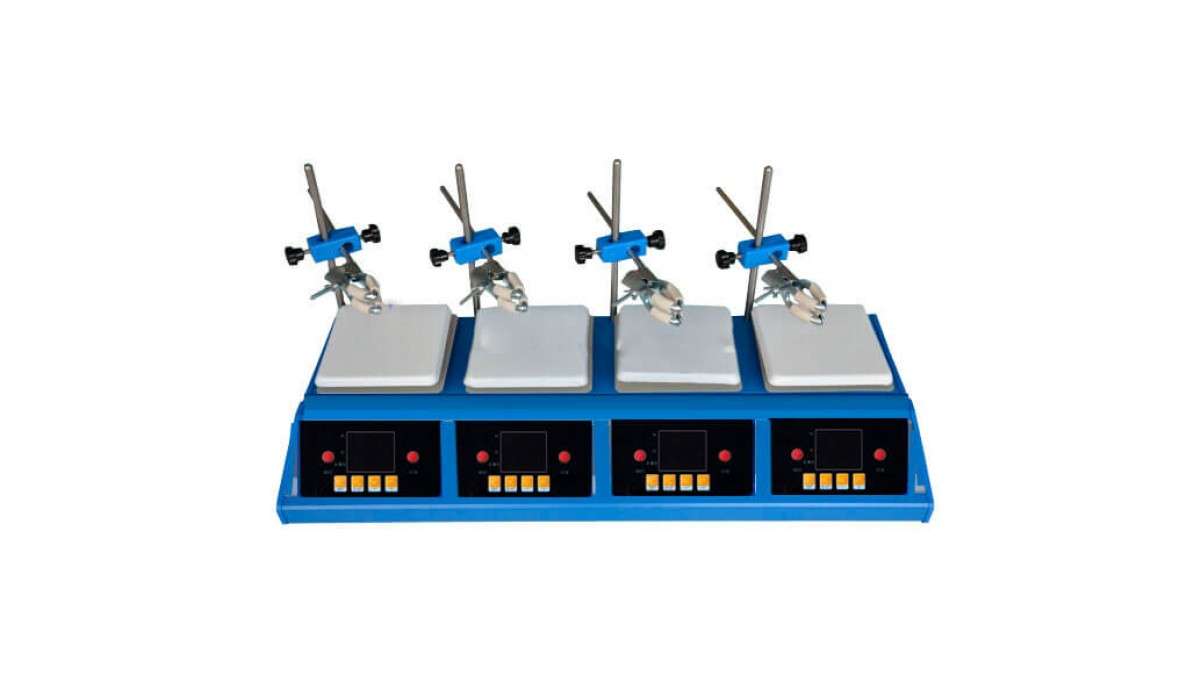
Multiposition Intelligent Digital Display Ceramic Hotplate Stirrers: Best Practices and Techniques 2026
The laboratory landscape in 2026 has seen remarkable advancements in stirring technology, particularly with the introduction of Multiposition Intelligent Digital Display Ceramic Hotplate Stirrers. In this article, we will explore their applications, techniques for optimal use, and best practices for laboratory professionals.
What is it used for in 2026
Multiposition Intelligent Digital Display Ceramic Hotplate Stirrers are essential in various laboratory settings, such as chemistry and biology. They facilitate mixing solutions at precise temperatures and speeds, crucial for experimental accuracy and reproducibility. This technology improves efficiency, allowing simultaneous processes in a compact workspace. Additionally, their digital displays aid in monitoring parameters, ensuring experiments are conducted under controlled conditions.
History and evolution of the technology
The evolution of hotplate stirrers began in the early 20th century, with manual models operated by hand. Advances in motor technology led to the creation of electric models, gradually evolving to incorporate digital displays and ceramic materials. The introduction of ceramic surfaces improved durability and chemical resistance, making them suitable for a wider range of applications. Today, models like the Multiposition Intelligent Digital Display Ceramic Hotplate Stirrers represent the pinnacle of this evolution, offering multiple stirring positions and enhanced control.
How to use it step by step
- Preparation: Ensure the workspace is clean and free from hazards. Gather all necessary materials, including the hotplate stirrer, reaction vessels, and reagents.
- Setup: Place the hotplate stirrer on a stable surface and connect it to a power source. Ensure that the ceramic top is clean and free of any residues.
- Loading Samples: Securely place your reaction vessels on the ceramic top, ensuring they are evenly spaced for optimal heat distribution.
- Setting Parameters: Turn on the device and use the digital display to set the desired temperature and stirring speed. Make sure each position is configured according to the specific needs of each sample.
- Monitoring: Regularly check the digital display to monitor temperature and speed throughout the process. Adjust as necessary for optimal performance.
- Completion: Once the stirring process is complete, turn off the device, carefully remove the vessels, and allow the hotplate to cool down before cleaning.
Best techniques and protocols
Utilizing Multiposition Intelligent Digital Display Ceramic Hotplate Stirrers effectively requires adherence to best techniques and protocols. Here are some key practices:
- Calibration: Regularly calibrate the temperature and speed settings to ensure accuracy.
- Use of Appropriate Vessels: Select compatible glassware or containers that can withstand the temperatures generated.
- Even Distribution: Space reaction vessels evenly on the hotplate to allow for uniform heating and stirring.
- Safety Precautions: Always use personal protective equipment (PPE) and be cautious with hot surfaces.
- Documentation: Keep detailed records of all experiments, including parameters set and results obtained, for reproducibility.
Practical applications by laboratory type
Multiposition Intelligent Digital Display Ceramic Hotplate Stirrers can be applied across various laboratory types:
- Chemistry Labs: Used for synthesizing chemicals and conducting reaction kinetics studies.
- Biology Labs: Ideal for preparing biological samples and maintaining culture conditions.
- Pharmaceutical Labs: Essential for drug formulation and stability testing of compounds.
- Environmental Labs: Useful for analyzing pollutants and conducting environmental testing.
Regulations, standards and certifications
Adhering to regulations and standards is critical when using laboratory equipment. Multiposition Intelligent Digital Display Ceramic Hotplate Stirrers should comply with relevant safety and performance standards, including:
- ISO 9001 for quality management systems.
- IEC 61010 for safety requirements of electrical equipment for measurement, control, and laboratory use.
- RoHS compliance for hazardous materials.
Comparison with alternative technologies
While Multiposition Intelligent Digital Display Ceramic Hotplate Stirrers excel in numerous laboratory applications, it is essential to consider how they compare with alternative technologies:
- Magnetic Stirring Bars: Offer excellent stirring efficiency but lack the heating capability of hotplate stirrers.
- Mechanical Stirring Devices: Provide strong mixing capabilities but can create more noise and are less efficient in small volumes.
- Ultrasonic Mixers: Effective for certain applications, but may not be suitable for heat-sensitive samples.
Comparison of available models
| Model | Best for | Key specs | Recommended use case |
|---|---|---|---|
| YR02953 | 4-position stirring | Temperature: Rt -380°C, Speed: 100-1800 RPM | Multi-sample heating and mixing |
| YR02954 | 4-position stirring | Temperature: Rt -380°C, Speed: 100-1800 RPM | Efficient multi-reaction setups |
| YR02955 | 6-position stirring | Temperature: Rt -380°C, Speed: 100-1800 RPM | High-throughput experiments |
| YR02947 | 2-position stirring | Speed: 0-2000 RPM | Basic stirring needs |
| YR02948 | 2-position stirring | Speed: 0-2000 RPM | Compact lab setups |
| YR02949 | General purpose | Not specified | Versatile applications |
Common mistakes and how to avoid them
Laboratory professionals can encounter several common mistakes when using Multiposition Intelligent Digital Display Ceramic Hotplate Stirrers:
- Improper Vessel Selection: Always use suitable containers to withstand high temperatures.
- Neglecting Calibration: Regular calibration is essential for maintaining accuracy.
- Overloading the Hotplate: Ensure that the total weight does not exceed the hotplate's capacity.
- Forgetting Safety Precautions: Always wear PPE and be mindful of the hot surface.
Maintenance, calibration and good practices 2026
To ensure optimal performance and longevity of the equipment, follow these maintenance and calibration practices:
- Regular Cleaning: Clean the ceramic surface after every use to prevent chemical buildup.
- Calibration Checks: Perform regular checks on temperature and speed settings to maintain accuracy.
- Inspection: Periodically inspect electrical connections and the casing for any signs of wear or damage.
Cost-benefit analysis 2026
Investing in Multiposition Intelligent Digital Display Ceramic Hotplate Stirrers can be seen as a long-term benefit for laboratories. While the initial purchase may seem high, the efficiency gains, improved accuracy, and versatility they offer can lead to significant cost savings over time. Additionally, the reduction in experiment failures and the ability to perform multiple tasks simultaneously contribute to a favorable cost-benefit ratio.
Frequently asked questions
What is the maximum temperature these hotplate stirrers can reach?
The maximum temperature varies by model, with the highest reaching up to 400°C, ideal for a range of laboratory applications.
Can I use these stirrers for biological samples?
Yes, these stirrers are suitable for biological samples, provided you use appropriate containers to avoid contamination.
How often should I calibrate the hotplate stirrer?
It is advisable to calibrate the stirrer before each use or at least once a week, depending on the frequency of usage.
What types of vessels can I use on the ceramic hotplate?
Use vessels made from materials that can withstand high temperatures, such as borosilicate glass or certain ceramics.
Is it safe to leave the stirrer unattended?
It is generally not safe to leave the stirrer unattended, especially at high temperatures. Always monitor the process closely.
How do I clean the ceramic surface?
Let the surface cool down, then use a soft cloth and a mild detergent to clean, avoiding abrasive materials.
Can these hotplate stirrers be used for high-viscosity liquids?
While they can handle some high-viscosity liquids, it is essential to check the specific model's specifications and limitations.
If you are looking for a fusion of innovation and quality, you have come to the right place. At Kalstein, we offer you the luxury of exploring our exclusive catalog of laboratory equipment. We manufacture every device to the highest standards of excellence. Our intuitive and seamless online purchasing channels are designed for your convenience, securing the most competitive prices. Hesitate no longer — we bring science to life, it is time to become part of our community.