Navigating ISO/IEC Standards for Horizontal Electrophoresis Compliance
In the realm of laboratory practices, adherence to ISO/IEC standards is not just a regulatory necessity but also a hallmark of quality and reliability. This article delves into the intricacies of horizontal electrophoresis technology, examining how various models align with ISO/IEC standards, ensuring regulatory compliance while enhancing laboratory efficiency.
Understanding Horizontal Electrophoresis and Regulatory Compliance
Horizontal electrophoresis is pivotal in molecular biology for DNA and RNA analysis. As laboratories increasingly prioritize compliance with ISO/IEC norms, understanding the specific requirements of these standards becomes essential. ISO 17025 and ISO 15189 are particularly relevant as they outline the management and technical requirements for testing and calibration laboratories, providing a framework that ensures the quality and reliability of test results.
ISO/IEC Standards Overview
ISO 17025 focuses on the general requirements for the competence of testing and calibration laboratories. It mandates rigorous quality management systems, detailed documentation processes, and adherence to testing protocols. ISO 15189, on the other hand, specifically caters to medical laboratories, emphasizing quality and competence in medical testing. Compliance with these standards requires that every piece of laboratory equipment, including horizontal electrophoresis units, meets specific operational criteria.
Horizontal Electrophoresis Models and Compliance
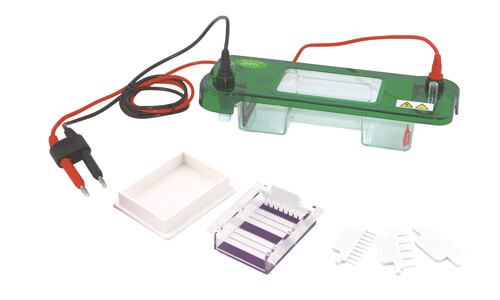
Several models within the horizontal electrophoresis category, such as the YR03415, YR03416, and YR03420, have been designed with compliance in mind. Each unit not only meets fundamental operational standards but also incorporates features that support ISO/IEC compliance:
Model YR03415
The YR03415 is a flexible unit ideal for various electrophoresis experiments, designed to accommodate gel sizes up to 186x205 mm. Its compliance features include a robust design that aids in consistent sample application and buffer handling, fundamental to meeting ISO 17025 requirements.
Model YR03416
With a sample volume capacity of 10 to 15 ml and a buffer volume of approximately 400 ml, the YR03416 ensures that laboratories can perform a variety of assays without compromising on compliance. Its design supports traceability, a crucial requirement for regulatory adherence.
Model YR03420
The YR03420 is larger, allowing for gel sizes of up to 200x200 mm, making it suitable for high-throughput laboratories. Its extensive buffer capacity of around 1,800 ml enhances experimentation while maintaining compliance with necessary standards.
Comparison of Available Models
| Model | Gel Size (mm) | Sample Volume (ml) | Buffer Volume (ml) | Weight (Kg) | Best for |
|---|---|---|---|---|---|
| YR03415 | 186x205 | 3, 5, 9 | ~150 | 0.4 | General electrophoresis |
| YR03416 | 78x100 | 10, 15 | ~400 | 0.6 | Versatile assays |
| YR03420 | 200x200 | 17, 22, 36, 44 | ~1,800 | 3.3 | High-throughput labs |
Common Mistakes and How to Avoid Them
Laboratories often encounter pitfalls in maintaining ISO/IEC compliance with their electrophoresis systems. Common mistakes include inadequate documentation of processes and failure to regularly calibrate equipment. To mitigate these risks, it is essential to implement a robust quality management system that documents every testing phase and ensures regular maintenance and calibration of equipment.
Implementing Effective Quality Management Systems
A quality management system (QMS) is vital for laboratories seeking compliance with ISO/IEC norms. Establishing a QMS involves creating standard operating procedures (SOPs) that cover all aspects of laboratory work, from sample handling to data management. Regular training sessions for staff on compliance requirements and equipment use can significantly enhance the robustness of the QMS.
Documentation Requirements for Compliance
Proper documentation is a cornerstone of compliance with ISO/IEC standards. Laboratories must maintain extensive records of all tests performed, including methodologies, results, and equipment calibrations. Each horizontal electrophoresis model, such as the YR03417, should have dedicated records reflecting its use, calibration logs, and maintenance schedules to ensure traceability.
Traceability in Laboratory Practices
Traceability is a crucial aspect of ISO 17025, ensuring that results can be traced back to the original measurement standards. Implementing a traceability system involves documenting the calibration status and maintenance history of each electrophoresis unit, including YR03418, which holds a significant role in ensuring reliable testing outcomes.
Frequently Asked Questions
What are the key ISO standards for horizontal electrophoresis labs?
The key ISO standards for horizontal electrophoresis labs include ISO 17025 and ISO 15189, which ensure quality management and testing competence. Each model, such as YR03415, is designed to align with these standards, promoting reliability and quality in laboratory results.
How can I ensure compliance with ISO 17025 using electrophoresis equipment?
To ensure compliance with ISO 17025 using electrophoresis equipment like the YR03420, laboratories must implement a quality management system that encompasses documentation, calibration, and maintenance procedures, ensuring all equipment functions within specified performance criteria.
What documentation is required to support ISO compliance for electrophoresis?
Documentation required for ISO compliance in electrophoresis includes calibration records, maintenance logs, and standard operating procedures. For example, the YR03416 model should be accompanied by thorough documentation of its usage and maintenance to support compliance efforts.
How often should calibration be performed on electrophoresis units?
Calibration frequency for electrophoresis units, such as YR03419, should be determined by laboratory protocols and use frequency. A typical recommendation is to calibrate every six months or after significant repairs, ensuring ongoing compliance with ISO standards.
What features help YR03418 comply with ISO standards?
The YR03418 model includes features such as automatic sample tracking and detailed calibration records that support compliance with ISO standards. These features ensure traceability and reliability of results, vital for adherence to ISO 17025 requirements.
How can laboratories improve efficiency while ensuring compliance?
Laboratories can improve efficiency while ensuring compliance by integrating automated systems for documentation and sample tracking. Models like YR03415, equipped with user-friendly designs, facilitate streamlined processes that enhance productivity without sacrificing quality assurance.
What are the consequences of non-compliance with ISO standards in labs?
Non-compliance with ISO standards can lead to significant risks, including inaccurate results, legal liabilities, and loss of accreditation. Utilizing compliant systems such as the YR03420 can mitigate these risks and ensure consistent quality in laboratory operations.
How do horizontal electrophoresis models aid in compliance with IEC standards?
Horizontal electrophoresis models, such as YR03416, aid in compliance with IEC standards through features designed for safety and performance. Ensuring that these models meet IEC 61010 standards helps maintain safety during laboratory operations, thus supporting overall compliance efforts.
If you are looking for a fusion of innovation and quality, you have come to the right place. At Kalstein, we offer you the luxury of exploring our exclusive catalog of laboratory equipment. We manufacture every device to the highest standards of excellence. Our intuitive and seamless online purchasing channels are designed for your convenience, securing the most competitive prices. Hesitate no longer — we bring science to life, it is time to become part of our community.