Neonatal LED Phototherapy Unit YR06217
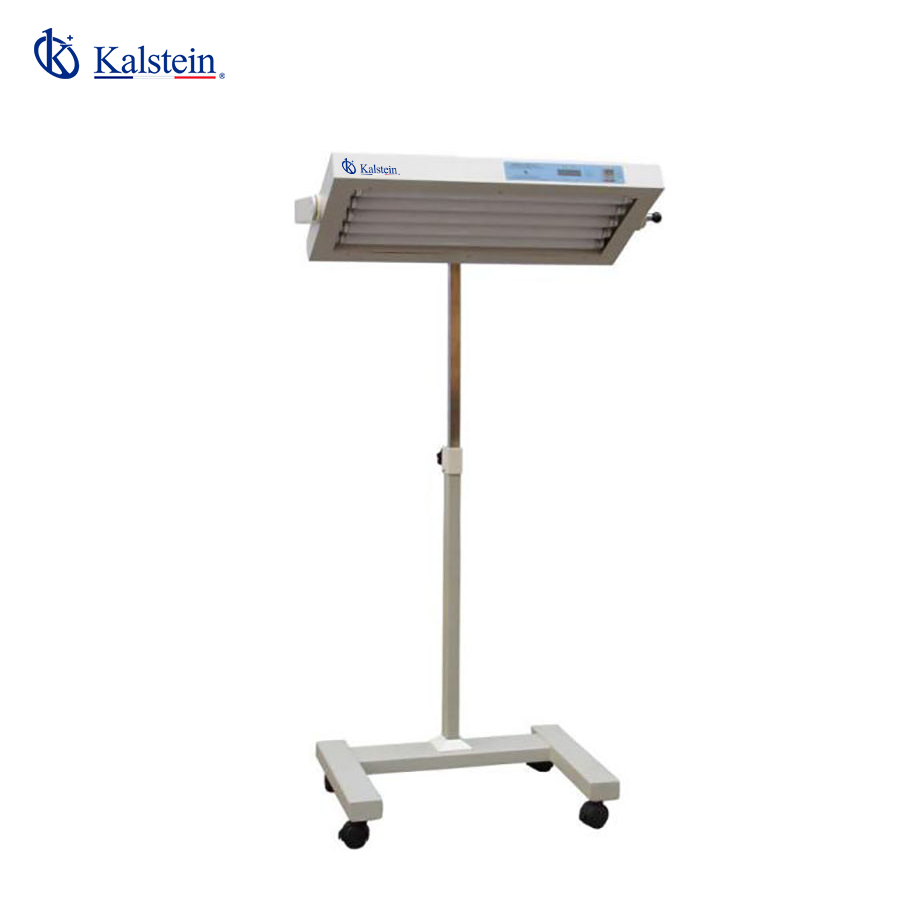
The Neonatal LED Phototherapy Unit YR06217 is a state-of-the-art medical device designed to provide efficient phototherapy treatment for neonatal jaundice. This unit is equipped with either a blue tube or LED as a light source, ensuring a high level of flexibility and reliability in treatment. With an LED digital timer, healthcare professionals can accurately monitor both therapy and total time. The device's mobility is enhanced by a lifting and mobile stand, and its radiant head can rotate at angles of 30°, 60°, and 90°, offering optimal positioning during therapy sessions.
This page provides an overview of the Neonatal LED Phototherapy Unit YR06217, including selection criteria, investment factors, operational advantages and maintenance recommendations. The aim is to support an informed decision before requesting a quotation.
This Kalstein model is available for laboratories in India, with selection criteria adapted to local purchasing, installation and support conditions.
Key factors to consider
Before selecting the Neonatal LED Phototherapy Unit YR06217, confirm workflow, available space, required accessories and installation conditions. This prevents oversizing the purchase and helps prepare a more accurate quotation.
In practical scenarios, the Neonatal LED Phototherapy Unit YR06217 is primarily used in hospitals and maternity wards to treat newborns diagnosed with jaundice. The unit's high irradiance levels and adjustable light source make it particularly effective in reducing bilirubin levels in infants, offering fast and efficient treatment times. The mobile design means it can be easily moved to bedside settings, ensuring continuous care with minimal disruption to the infant.
For the market in India, evaluation should consider local context such as CDSCO regulation, pharma manufacturing hub and match the product to the real workload of the laboratory.
Market price range
The price range for neonatal phototherapy units in the market typically varies between 800 USD and 1600 USD. This range provides an average for potential buyers interested in the latest phototherapy technology, ensuring quality treatment while maintaining cost-effectiveness. To get a specific price for the Neonatal LED Phototherapy Unit YR06217, we encourage users to request a quote or generate an automatic quotation via the Kalstein Plus platform.
The final price may vary according to configuration, accessories, logistics, warranty and territorial availability. Compare the technical sheet with the real laboratory workload before confirming the investment.
In India, budget comparison should include CDSCO references, 230V/50Hz power conditions, accessories, logistics and after-sales support.
Value for money
Advantages: The unit's LED technology ensures long-lasting operation with minimal maintenance. It also has high light intensity, which translates to effective treatment. The adjustable designs enhance usability and application precision. Disadvantages: The advanced features may contribute to a higher upfront cost, which could be a consideration for smaller clinics or facilities.
Value for money should be reviewed together with equipment stability, after-sales support, technical documentation and expected service life. A well-matched selection reduces downtime and improves return on investment.
Advantages and disadvantages
In practical scenarios, the Neonatal LED Phototherapy Unit YR06217 is primarily used in hospitals and maternity wards to treat newborns diagnosed with jaundice. The unit's high irradiance levels and adjustable light source make it particularly effective in reducing bilirubin levels in infants, offering fast and efficient treatment times. The mobile design means it can be easily moved to bedside settings, ensuring continuous care with minimal disruption to the infant.
Main advantages include specialized application, integration with laboratory routines and accessory configuration. Limitations may include installation requirements, user training and preventive maintenance to preserve performance.
Expected lifespan based on use and maintenance
To maximize the effectiveness and longevity of the Neonatal LED Phototherapy Unit YR06217, it is recommended to follow routine maintenance checks and regularly verify the light intensity and adjust the positioning as needed for optimal treatment angles. Ensure that the LED timer is precisely monitored to track therapy durations effectively. Always consult the device's manual for troubleshooting and maintenance guidance.
Service life depends on usage frequency, cleaning, storage, calibration when applicable and adherence to technical recommendations. A structured maintenance plan helps preserve accuracy, safety and operational continuity.
Support and spare-parts availability oriented to India helps preserve service continuity and plan preventive maintenance without extended downtime.
Specifications table for the Neonatal LED Phototherapy Unit YR06217
Neonatal LED Phototherapy Unit YR06217
- Utiliza tubo azul o LED como fuente de luz
- Temporizador digital LED, visualización del tiempo de terapia & tiempo total
- Rampa de elevación; soporte móvil, cabezal radiante giratorio en ángulo de 30°/ 60° /90
| Model | YR06217 |
| Input power | 150VA |
| Light source | Blue tube/ LED tube |
| Light source effective life | 2,000 /50,000 hours |
| Wave length | 400-550 nm |
| Irradiance treatment distance | 10~500px |
| Effective area | 1125px×600px |
| Maximum total bilirubin irradiance (Max Ebi) | ≥2000μW/cm2 |
| In effective area surface | ≥500μW/cm2 |
| Average in effective area surface | ≥400μW/cm2 |
| Uniformity of Ebi | 0.4 |
| Infrared radiation in effective area | ≤10mW/cm2(760nm<λ≤1400nm) |
| Ultraviolet radiation in effective area | ≤1.0×10⁻⁵mW/cm2 (180nm<λ≤400nm) |
| Time display accuracy | 2h±1min |
| Operate noise | ≤55 dB(A)(ambient noise is lower than 40 dB(A)) |
| Basic performance | the equipment total irradiance (Ebi) ≥500μW/cm2 |
| Time display range | 9999h 59min |
| Adjust angle | 30°,60°,90° |
| Adjust height | 1100mm~1500mm |
Products related to model YR06217
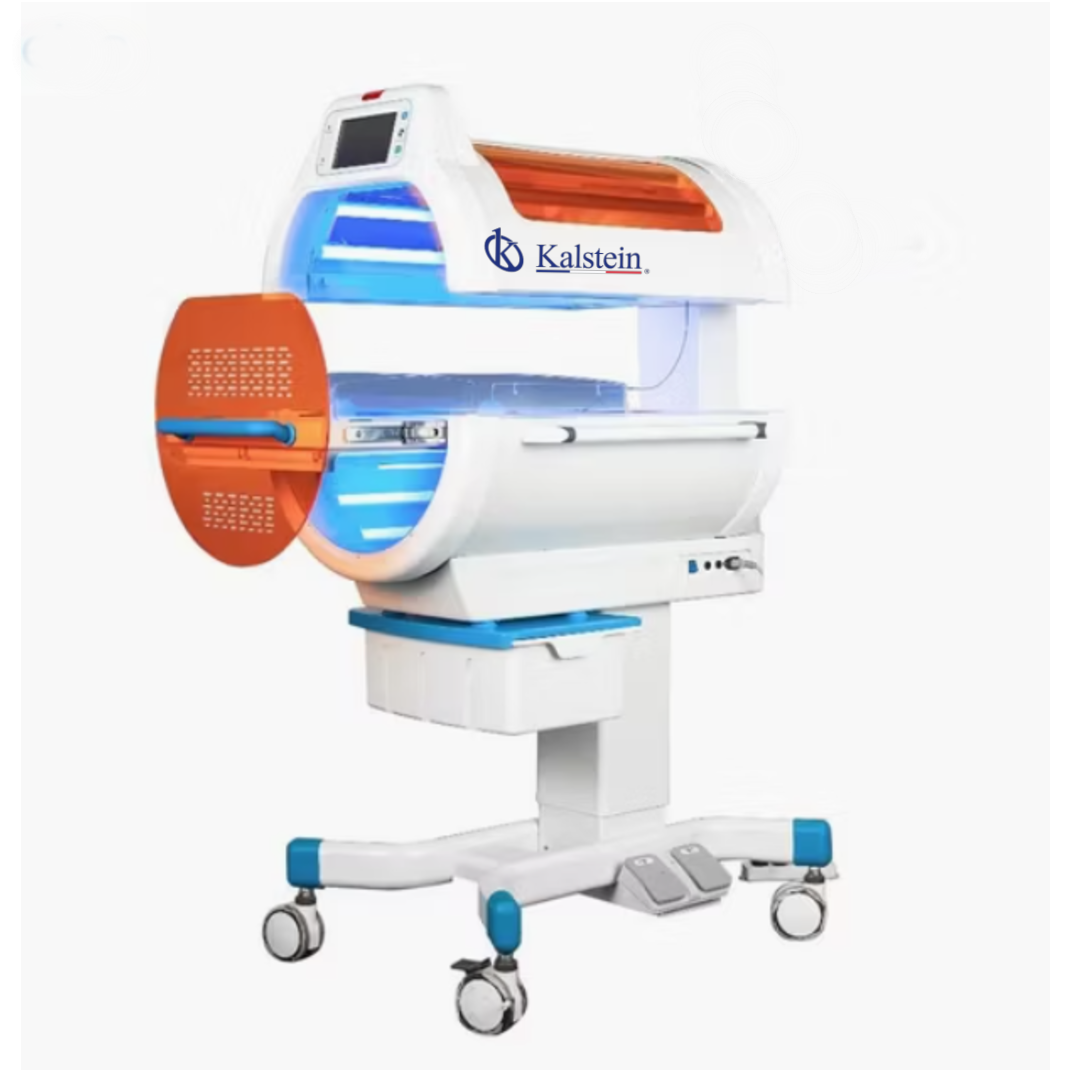
Tunnel Phototherapy YR06671
Ver producto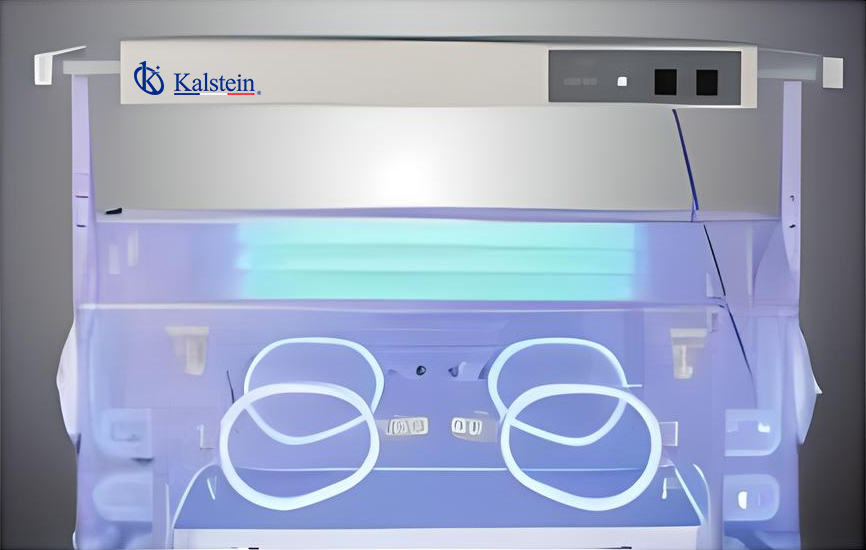
Infant Phototherapy Unit YR06219
Ver producto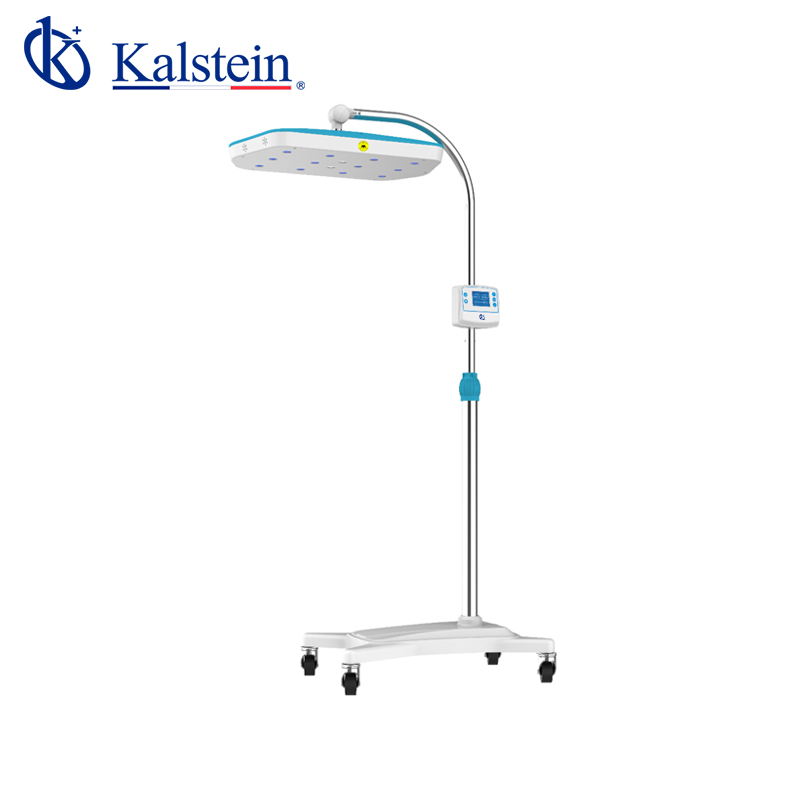
Infant Phototherapy Unit YR06220
Ver producto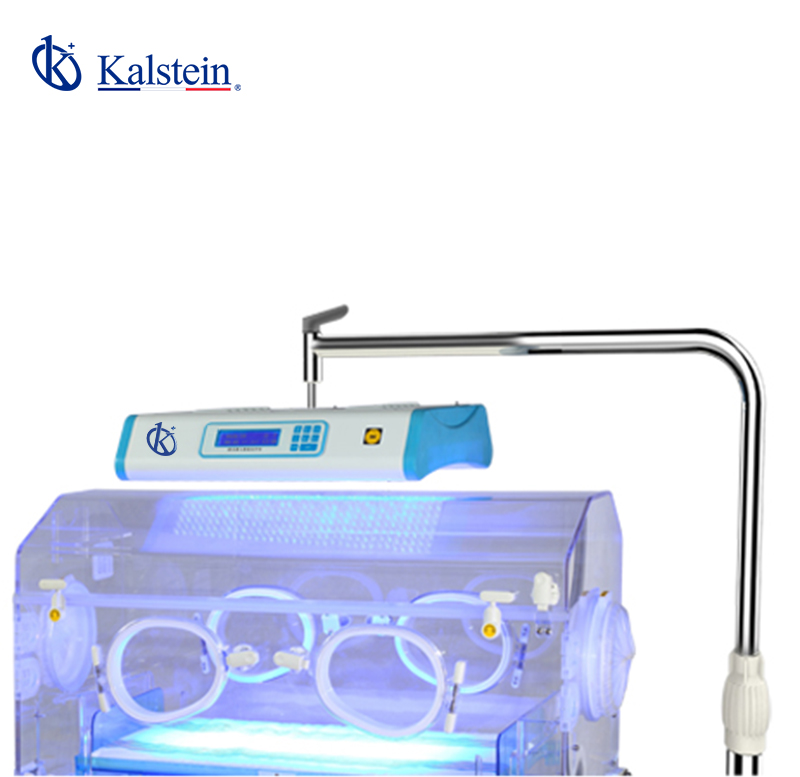
Infant Phototherapy Unit YR06221
Ver producto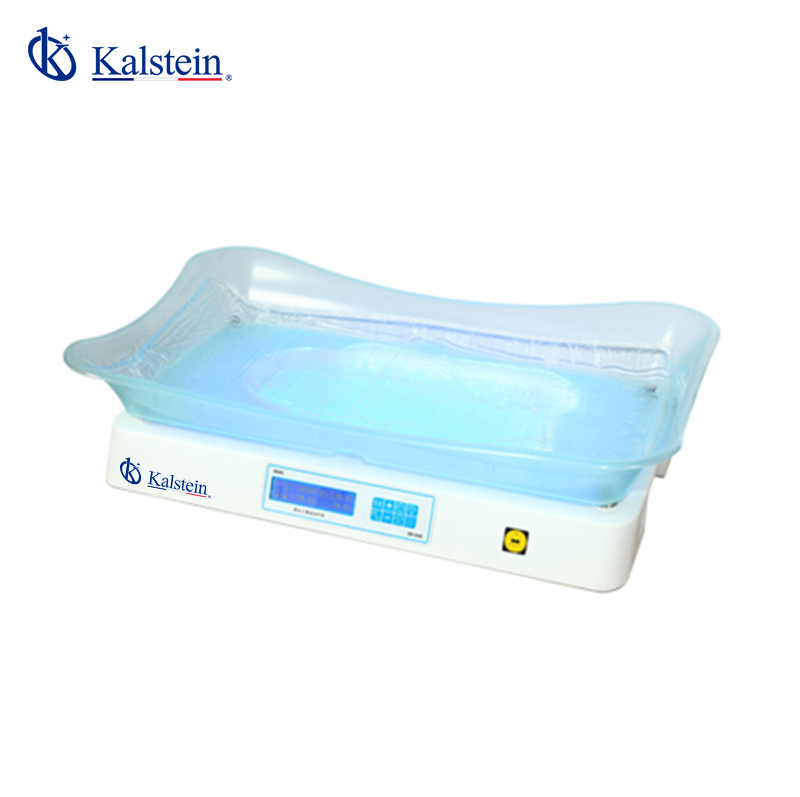
Infant Phototherapy Unit YR06222
Ver producto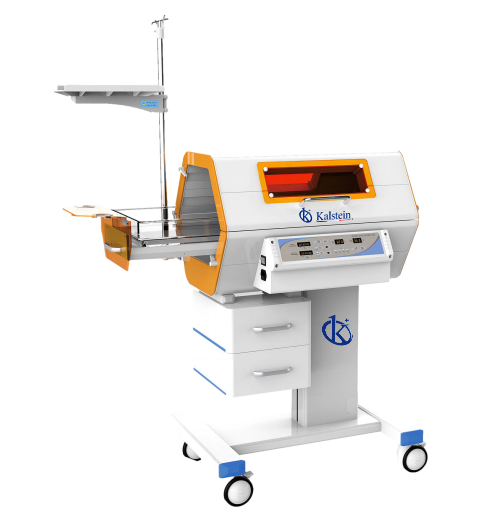
Infant Phototherapy Unit YR06223
Ver producto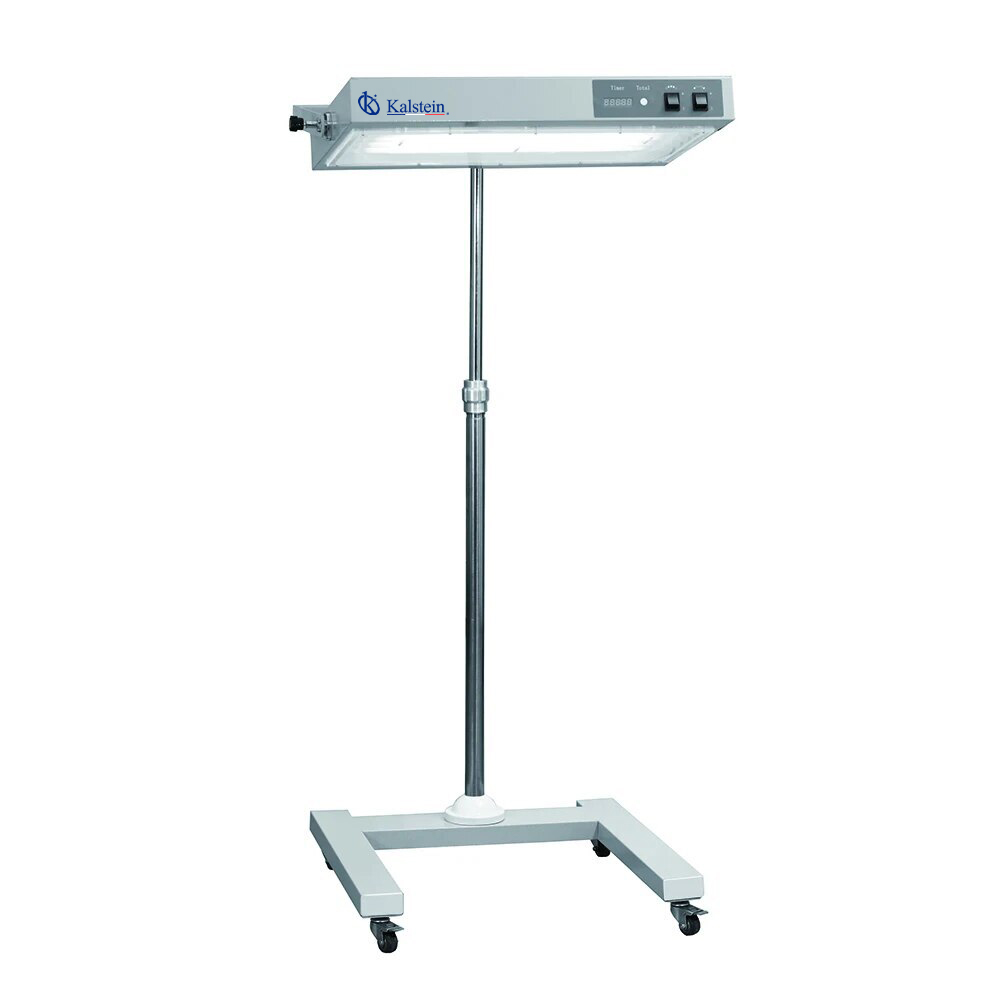
Infant Bilirubin Phototherapy Unit YR02194
Ver producto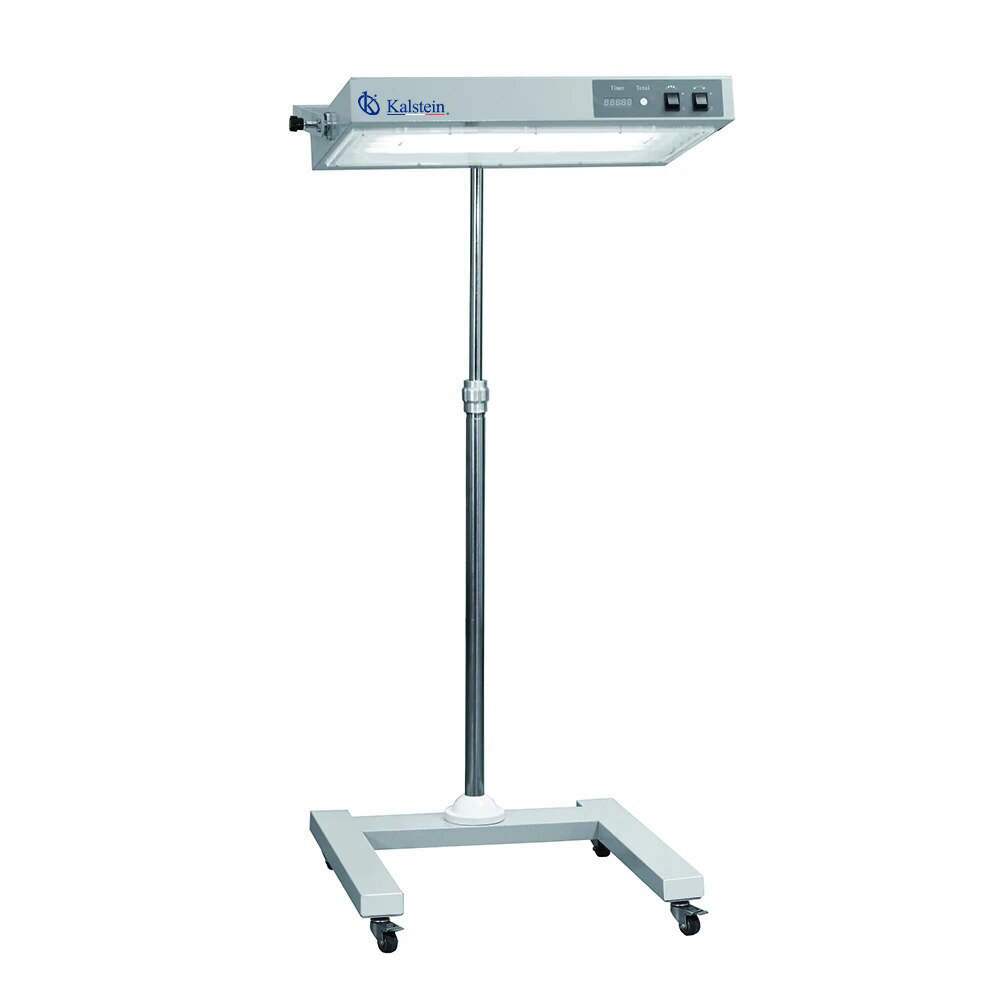
Infant Bilirubin Phototherapy Unit YR02195
Ver productoFrequently Asked Questions about the Neonatal LED Phototherapy Unit YR06217
What is the lifespan of the light source in the device?
The LED light source has an effective life of up to 50,000 hours, whereas the blue tube offers 2,000 hours of operation.
Is the unit easy to move within clinical settings?
Yes, the unit features a mobile stand and is easy to transport between different patient care areas.
Can the light angle be adjusted?
Indeed, the radiant head can be adjusted to angles of 30°, 60°, and 90°, facilitating optimal light delivery during treatment.
How do I choose the right neonatal led phototherapy unit yr06217 for my laboratory?
Selection should start from workload, critical technical parameters, available space and frequency of use. Kalstein can support the comparison between operational needs, budget and maintenance requirements to avoid choosing equipment that is oversized or insufficient.
What should I review before requesting a quotation?
Review the model, technical specifications, required accessories, electrical conditions, consumables, delivery timing and installation needs. With this information, the quotation can be prepared more accurately and aligned with the laboratory workflow.
Does Kalstein provide guidance for this type of equipment?
Yes. The commercial and technical team can support product evaluation, explain differences between models, answer application questions and advise on preventive maintenance, spare parts and documentation required for a secure purchase.
What maintenance helps extend the equipment lifespan?
Follow the manufacturer manual, perform regular cleaning, verify calibrations or controls when applicable, avoid workload abuse and keep maintenance records. Stable use and preventive routines reduce failures and improve operational continuity.