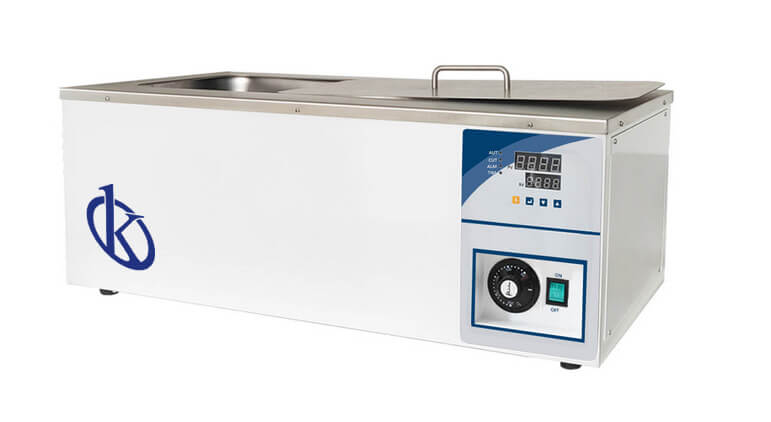
Oil Baths: Practical Applications in Clinical and Hospital Laboratories 2026
Oil baths are an essential piece of laboratory equipment widely used in clinical and hospital settings. These devices provide a stable environment for experiments requiring precise temperature control, making them crucial for various applications in fields such as bioengineering, medicine, and chemical industries. In this comprehensive guide, we will explore the various applications, best practices, and protocols for utilizing oil baths effectively in laboratories throughout 2026.
What is it used for in 2026
In 2026, oil baths are used primarily for temperature-dependent processes in clinical and hospital laboratories. They serve various functions, including:
- Heating Samples: Oil baths provide a stable and uniform heating environment for samples that require precise temperature settings.
- Reactions: Many chemical reactions necessitate a controlled temperature, making oil baths ideal for reactions sensitive to temperature fluctuations.
- Laboratory Testing: They are commonly employed in tests that require consistent and reproducible temperature conditions.
- Extraction Processes: Oil baths facilitate the extraction of compounds by maintaining optimal temperatures during the process.
History and evolution of the technology
The use of oil baths dates back to the early 20th century when scientists began to recognize the need for controlled thermal environments in laboratory experiments. Initially, simple containers filled with oil were used to heat glass vessels. Over the years, advancements in temperature control technology and materials have transformed oil baths into sophisticated laboratory instruments. The introduction of microprocessor-controlled systems has significantly enhanced their precision and reliability, making them indispensable in modern laboratories.
How to use it step by step
Using an oil bath effectively involves several steps:
- Setup: Place the oil bath on a stable surface and ensure it is level.
- Fill the Bath: Fill the bath with high-quality oil suitable for laboratory use, ensuring it reaches the recommended level.
- Set Temperature: Use the control panel to set the desired temperature, ensuring the correct unit of measurement is selected.
- Wait for Stabilization: Allow the bath to reach the set temperature. This may take some time, depending on the volume of oil and heater power.
- Place Samples: Carefully place the samples in the bath using appropriate holders or supports to avoid direct contact with the oil.
- Monitor: Regularly check the temperature display to ensure stability during the experiment.
- Cleanup: After use, allow the oil bath to cool down and then clean it according to manufacturer instructions.
Best techniques and protocols
To optimize the use of oil baths, consider the following techniques and protocols:
- Use of Insulation: Insulating materials around the oil bath can help maintain temperature and reduce energy consumption.
- Calibration: Regularly calibrate the temperature control system to ensure accuracy.
- Routine Maintenance: Perform routine checks of oil cleanliness and replace it when necessary to avoid contamination.
- Safety Practices: Always adhere to safety protocols, including wearing appropriate PPE and handling hot liquids with care.
Practical applications by laboratory type
Oil baths find applications across various types of laboratories:
- Clinical Laboratories: Used for assays that require temperature control during enzymatic reactions.
- Research Laboratories: Essential for synthesis and analysis in chemical and physical research.
- Biotechnology Laboratories: Employed in the production of peptides and proteins under controlled temperature conditions.
- Food Laboratories: Utilized for consistent heating during food testing procedures.
Regulations, standards and certifications
Oil baths must comply with various safety and performance standards. Common regulations include:
- ISO Standards: Ensuring equipment meets international quality and safety standards.
- CE Marking: Indicates conformity with health, safety, and environmental protection standards for products sold within the European Economic Area.
Comparison with alternative technologies
While oil baths are popular, other heating technologies exist:
- Water Baths: Generally less expensive but may not reach the same temperatures as oil baths.
- Dry Block Heaters: Provide portable heating solutions but may lack the uniformity offered by oil baths.
- Heated Stirring Plates: Offer versatility but may not provide the same temperature stability for specific applications.
Comparison of available models
| Model | Best for | Key specs | Recommended use case |
|---|---|---|---|
| YR04973 | Bioengineering and chemical applications | 1000W, 220V/50Hz, RT +5~250°C | Sample heating in research laboratories |
| YR04974 | Medical testing and analysis | 1200W, 220V/50Hz, RT +5~250°C | Routine assays requiring stable temperatures |
| YR04975 | Biotechnology and biochemical reactions | 1600W, 220V/50Hz, RT +5~250°C | Heating for peptide synthesis |
| YR04976 | Food testing and chemical reactions | 2000W, 220V/50Hz, RT +5~250°C | Laboratory tests in food safety |
Common mistakes and how to avoid them
Laboratory professionals often make common mistakes when using oil baths:
- Overheating: Always monitor the temperature to avoid overheating samples, which can lead to inaccurate results.
- Poor Calibration: Ensure regular calibration of your oil bath to guarantee accuracy in temperature measurements.
- Improper Cleaning: Regularly clean the oil bath to prevent contamination and degradation of samples.
Maintenance, calibration and good practices 2026
To ensure longevity and performance, follow these maintenance tips:
- Regular Checks: Conduct routine checks for leaks or oil degradation.
- Calibration Schedule: Establish a calibration schedule based on usage frequency and standards.
- Safety Inspections: Regularly inspect electrical connections and safety features.
Cost-benefit analysis 2026
When evaluating the cost-effectiveness of oil baths, consider:
- Initial Investment: Assess the upfront cost versus the long-term benefits of accuracy and reliability.
- Operational Costs: Factor in energy consumption and maintenance expenses over time.
- Return on Investment: Analyze improved results and efficiency gained through the use of oil baths compared to cheaper alternatives.
Frequently asked questions
What types of experiments require an oil bath?
Oil baths are ideal for experiments that require precise temperature control, such as enzymatic reactions, chemical syntheses, and sample heating for various analyses.
How do I choose the right oil bath for my laboratory?
Select an oil bath based on your specific heating needs, the temperature range required, and the volume of samples you intend to process.
Can I use any type of oil in the oil bath?
No, it is essential to use high-quality laboratory-grade oil that can withstand the temperatures required for your experiments while maintaining stability and safety.
What is the importance of regular calibration for oil baths?
Regular calibration ensures that the oil bath maintains accurate temperature readings, which is critical for producing reliable and reproducible experimental results.
What are the common safety practices when using an oil bath?
Always wear appropriate personal protective equipment, monitor the heating process closely, and never leave an operating oil bath unattended.
How do I maintain my oil bath for optimal performance?
Regular maintenance includes cleaning the unit, checking for leaks, calibrating the temperature settings, and replacing the oil when necessary to prevent contamination.
Where can I request a quote for oil baths?
You can request a quote on Kalstein Plus for various oil bath models tailored to your laboratory needs.
If you are looking for a fusion of innovation and quality, you have come to the right place. At Kalstein, we offer you the luxury of exploring our exclusive catalog of laboratory equipment. We manufacture every device to the highest standards of excellence. Our intuitive and seamless online purchasing channels are designed for your convenience, securing the most competitive prices. Hesitate no longer — we bring science to life, it is time to become part of our community.