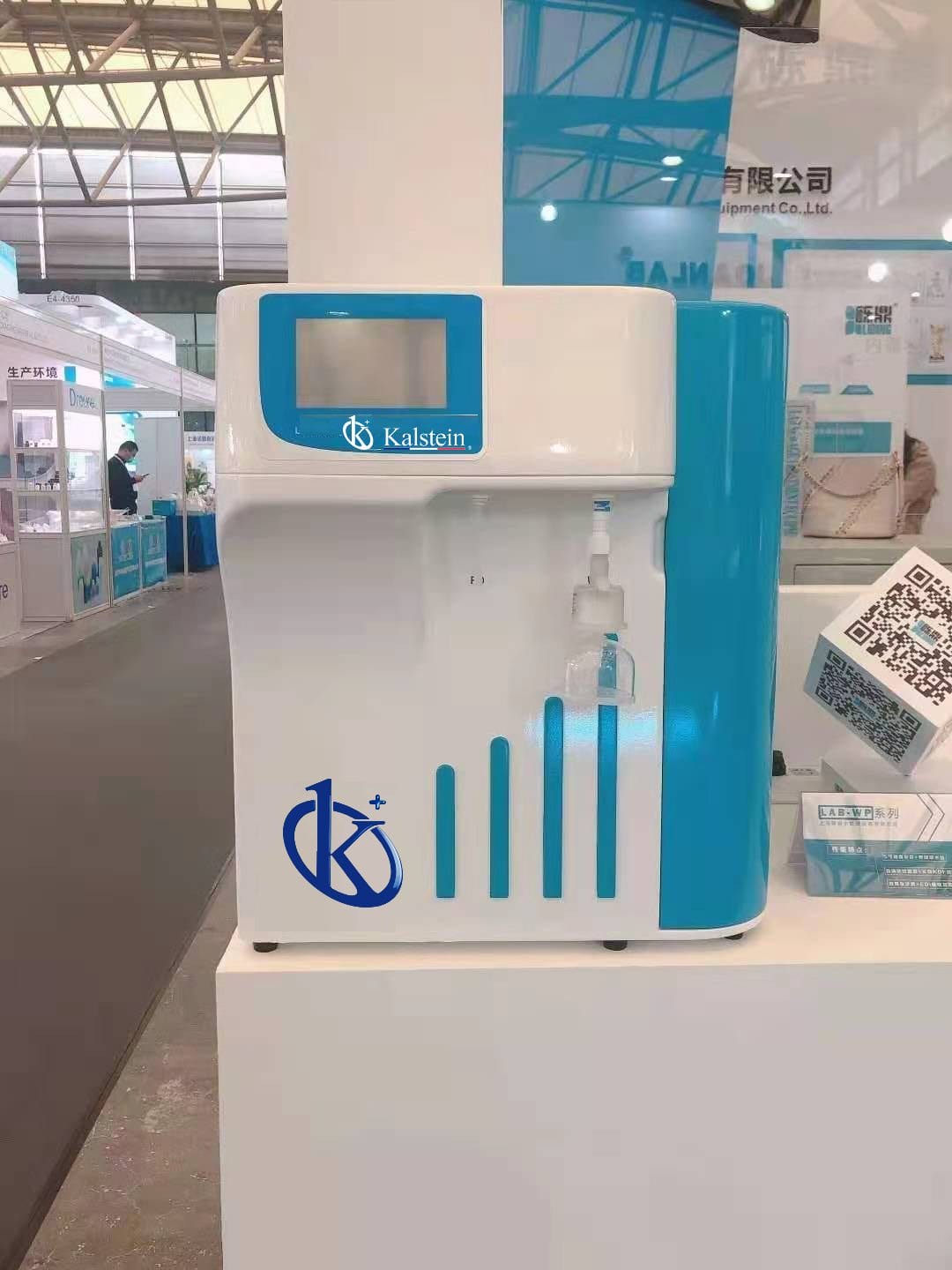
Understanding the Operating Principle and Scientific Foundation of the YR55-1 Water Purification System
The YR55-1 Water Purification System stands as a pivotal solution in laboratory settings where high-quality water is essential. This article delves into the operational mechanisms and scientific principles that underpin the YR55-1, providing a comprehensive guide for users seeking to maximize its potential.
Introduction to the YR55-1 Water Purification System
The YR55-1 is a sophisticated water purification system designed to produce both pure and ultrapure water from urban tap water sources. With a strong emphasis on efficiency and reliability, this system integrates multiple purification technologies into a single compact unit.
Technical Specifications of YR55-1
| Specification | Details |
|---|---|
| Model | YR55-1 |
| Input Water Source | Urban tap water, pressure: 0.15-0.5MPa, temperature: 5-40°C |
| Flow Rate | 1.5-2L/min (with pressure barrel) |
| Machine Capacity | 15 L/H |
| Output Water Quality | RO water: Conductivity 1-5 μS/cm (Type III ASTM) UP water: Resistivity 18.25MΩ.cm@25°C (Type I ASTM) |
| Total Organic Carbon (TOC) | <3 ppb |
Operating Principle of the YR55-1
The YR55-1 operates through a series of advanced purification processes, each designed to target specific contaminants in the water supply. The fundamental principles of operation include:
- Filtration: The system uses ultra-fine filters to remove particulates and microorganisms from the water.
- Reverse Osmosis: In this phase, water is pushed through a semi-permeable membrane, effectively removing dissolved salts and organic compounds.
- Deionization: This process involves ion exchange resins that eliminate ionic contaminants, ensuring the production of ultrapure water.
By combining these methods, the YR55-1 ensures a comprehensive purification process that meets stringent laboratory requirements.
Scientific Foundation of Water Purification Processes
Understanding the scientific principles behind the purification processes used in YR55-1 is crucial for optimal operation. Here are the key scientific concepts:
Filtration
Filtration is based on the principle of physical separation. Water passes through a medium that traps larger particles and pathogens. The efficiency of this process depends on the size of the pores in the filter material.
Reverse Osmosis (RO)
RO operates on the principles of osmotic pressure and solute concentration gradients. When pressure is applied to the water, it moves from an area of high solute concentration through the membrane to an area of low concentration, effectively filtering out contaminants.
Deionization
Deionization uses ion exchange to remove charged particles from the water. The process relies on chemical reactions between the water and resin beads that replace harmful ions with hydrogen and hydroxyl ions, resulting in pure water.
Common Applications of YR55-1
The YR55-1 is well-suited for various applications across multiple sectors, including:
- Clinical Laboratories: Providing ultrapure water essential for reagent preparation and analytical tests.
- Industrial Use: Ensuring consistent water quality for manufacturing processes.
- Educational Institutions: Serving as a reliable source of pure water for laboratory experiments and research.
Installation and Setup of YR55-1
Proper installation and setup of the YR55-1 are crucial for optimal performance. Follow these steps:
- Unbox the unit and check for all components.
- Secure the unit on a stable surface and ensure proper leveling.
- Connect the water supply, ensuring it meets the specified parameters.
- Power up the unit and follow the calibration steps in the user manual.
Troubleshooting Common Issues with YR55-1
Even the most well-designed systems like the YR55-1 may encounter issues. Here are common symptoms and solutions:
| Symptom | Probable Cause | Solution |
|---|---|---|
| System does not power on | Power supply issue | Check the power connections and ensure the outlet is functional. |
| Inconsistent water quality | Filter or membrane failure | Inspect and replace filters or membranes as needed. |
| High TOC readings | Resin exhaustion | Replace deionization resin and recalibrate. |
Frequently Asked Questions
What are the main features of the YR55-1 Water Purification System?
The YR55-1 features a compact design, multiple purification technologies, high reliability, and user-friendly interface, making it ideal for laboratory use.
How does the YR55-1 ensure high water quality?
The YR55-1 utilizes a combination of filtration, reverse osmosis, and deionization to effectively reduce contaminants and ensure the production of high-quality pure and ultrapure water.
What is the expected lifespan of the YR55-1?
The YR55-1 is designed for durability and can typically last several years with regular maintenance and proper use.
How often should filters and membranes be replaced in the YR55-1?
Filter and membrane replacement intervals depend on usage and water quality, but generally, they should be replaced every 6-12 months for optimal performance.
Can the YR55-1 be used in different sectors?
Yes, the YR55-1 is versatile and can be used in clinical, industrial, educational, and research settings, adapting to specific water quality needs.
Conclusion
If you are looking for a reliable and efficient water purification solution, the YR55-1 is an exceptional choice. Its combination of advanced technology and user-friendly features makes it suitable for a variety of applications.
For personalized support and expert advice, feel free to request a quote on Kalstein Plus.
If you are looking for a fusion of innovation and quality, you have come to the right place. At Kalstein, we offer you the luxury of exploring our exclusive catalog of laboratory equipment. We manufacture every device to the highest standards of excellence. Our intuitive and seamless online purchasing channels are designed for your convenience, securing the most competitive prices. Hesitate no longer — we bring science to life, it is time to become part of our community.