How to Optimize Energy Sustainability with Histopathology Accessories and Consumables
In the ever-evolving landscape of laboratory practices, energy sustainability and reducing environmental footprints have become crucial goals. Histopathology accessories and consumables play an integral role in facilitating these objectives. This article explores how various products within this subcategory contribute to energy efficiency and environmental conservation in laboratory settings.
Understanding Energy Sustainability in Histopathology
Energy sustainability in histopathology encompasses the efficient use of resources to minimize energy consumption while maintaining quality and effectiveness in laboratory procedures. The use of modern consumables enhances the workflow, reducing the need for excessive energy use in processing samples. Incorporating high-quality products can lead to lower operational costs and less environmental impact.
Comparison of Available Models
| Model | Type | Quantity per Box | Price (USD) | Energy Efficiency Features |
|---|---|---|---|---|
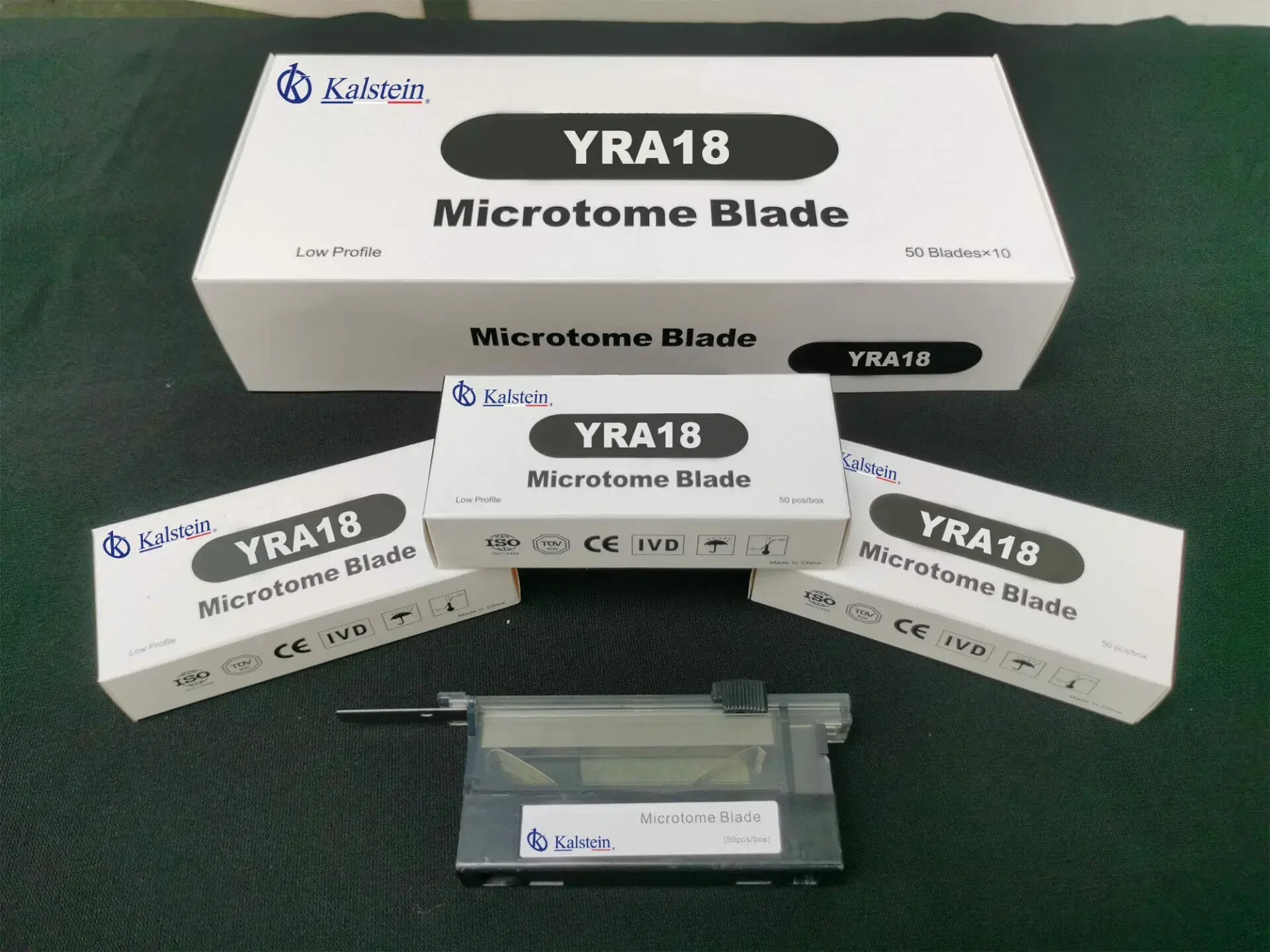
| YRA18-1 | Disposable microtome blade (Low profile) | 250 boxes | 10,000.00 | Designed for optimal cutting, reducing waste and energy use |
| YRA19-1 | Disposable microtome blade (High profile) | 40 boxes | 1,600.00 | High precision minimizes errors, conserving energy |
| YRA20-1 | Tissue embedding cassette | 9,000 pieces | 252.00 | Efficient sample processing reduces overall energy consumption |
| YRA21-1 | Plastic cassette with plastic cover | 4,000 pieces | 144.00 | Durable design supports multiple uses, lowering waste |
| YRA33-2 | Paraffin block | 10kgs (20 boxes)/Carton | 60.00 | Reduces processing time, yielding energy savings |
| YRA33-3 | Granular paraffin | 10 KG (10 bags)/Carton | 60.00 | Efficient melting process decreases energy waste |
Key Benefits of Using High-Quality Histopathology Consumables
Utilizing high-quality histopathology consumables can substantially improve energy efficiency. For instance, the YRA18-1 Low Profile Blade is designed for precision cutting, which helps minimize waste. This not only reduces the energy used in cleaning and reprocessing but also enhances the overall workflow in a histopathology lab.
Moreover, the YRA20-1 Tissue Embedding Cassette facilitates faster sample processing times. This reduces the need for prolonged equipment operation, leading to significant energy savings. Overall, investing in quality consumables directly correlates with improved energy sustainability.
Reducing Environmental Footprint in Histopathology Labs
Each laboratory has a unique environmental footprint based on its operations and consumables used. By selecting products like the YRA33-2 Paraffin Block, which significantly cuts down processing time, labs can reduce their energy consumption and waste production simultaneously. This contributes to a lower carbon footprint over time.
Additionally, the YRA21-1 Plastic Cassette offers a sustainable option with its robust design, allowing for multiple uses. Transitioning to reusable consumables is a crucial step towards minimizing landfill waste, further supporting environmental initiatives.
Common Mistakes and How to Avoid Them
When seeking to enhance energy sustainability, labs often overlook the importance of proper training and protocols. Failure to educate staff on efficient use and disposal of histopathology accessories can lead to waste and increased energy usage. It is imperative to implement thorough training programs that emphasize best practices in using consumables.
Another common mistake is neglecting to assess the overall lifecycle of consumables. Investing in high-quality products like YRA19-1 High Profile Blade may present a higher upfront cost but pays off in the long run with reduced operational expenses and lower energy consumption. Conducting a cost-benefit analysis will help labs make informed decisions.
Strategies for Increasing Energy Efficiency in Histopathology Labs
To increase energy efficiency, labs should consider adopting advanced technologies and automation in their processes. Integrating systems that allow for real-time monitoring can help in identifying areas where energy savings can be made. Incorporating renewable energy sources, such as solar panels, is also a viable option.
Moreover, training personnel on efficient practices and the importance of reducing waste can lead to improved energy usage across the board. For instance, using the YRA33-3 Granular Paraffin can improve melting times and reduce the energy required to maintain optimal temperatures in the laboratory settings.
Frequently Asked Questions
How can the use of histopathology accessories reduce laboratory energy consumption?
The use of histopathology accessories like the YRA20-1 Tissue Embedding Cassette allows for more efficient sample processing, which reduces overall energy consumption in the laboratory. Quality consumables enhance workflow and minimize the need for prolonged operation of equipment.
What are the most energy-efficient histopathology consumables available?
Products such as the YRA33-2 Paraffin Block are designed to reduce processing time and energy usage. These consumables help streamline laboratory processes, leading to significant energy savings.
Which equipment can be optimized for energy sustainability in histopathology?
Histopathology equipment can be optimized by using high-quality consumables like the YRA19-1 High Profile Blade, which minimizes waste and errors, ultimately conserving energy throughout the lab processes.
How do reusable consumables impact energy sustainability in laboratories?
Reusable consumables like the YRA21-1 Plastic Cassette significantly decrease waste and energy consumption by allowing multiple uses. This not only reduces the environmental footprint but also lowers costs in the long run.
What should labs consider when choosing histopathology accessories for energy efficiency?
When selecting histopathology accessories, labs should consider the quality, durability, and efficiency of the consumables. Products like the YRA18-1 Low Profile Blade help reduce waste and energy usage, leading to overall cost savings.
How can labs effectively train staff on energy-efficient practices?
Effective staff training should include educating employees on the importance of energy efficiency and best usage practices for consumables. Workshops and regular assessments can reinforce these practices, enhancing overall energy sustainability in labs.
What is the role of technology in improving energy sustainability in histopathology?
Technology plays a crucial role in enhancing energy sustainability by allowing for automation and efficient monitoring of laboratory processes. Implementing systems that track energy usage can identify areas for improvement, leading to reduced consumption.
If you are looking for a fusion of innovation and quality, you have come to the right place. At Kalstein, we offer you the luxury of exploring our exclusive catalog of laboratory equipment. We manufacture every device to the highest standards of excellence. Our intuitive and seamless online purchasing channels are designed for your convenience, securing the most competitive prices. Hesitate no longer — we bring science to life, it is time to become part of our community.