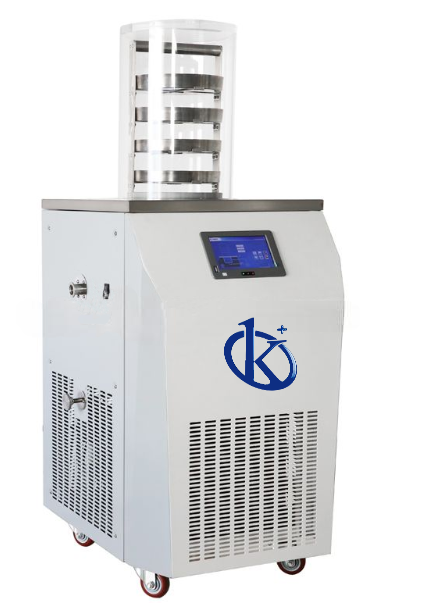
How to Optimize Energy Sustainability with Vertical Laboratory Freeze Dryers
As the demand for energy sustainability and environmental responsibility grows, laboratories are increasingly seeking ways to reduce their ecological footprints. Vertical laboratory freeze dryers play a crucial role in this shift, offering advanced features that promote energy efficiency and sustainable practices. This article delves into various models of vertical laboratory freeze dryers, discussing their specifications, applications, and benefits towards achieving energy sustainability.
Understanding Vertical Laboratory Freeze Dryers and Their Role in Sustainability
Vertical laboratory freeze dryers, also known as lyophilizers, are vital in preserving the integrity of sensitive materials by removing moisture through sublimation. These devices are extensively used across various industries, including pharmaceuticals, food, and biological research. Their ability to maintain the biochemical properties of products while ensuring long-term preservation makes them indispensable.
However, the process of freeze-drying can be energy-intensive. It involves direct heating, vacuum applications, and temperature controls, all contributing to the overall energy consumption. Therefore, selecting the right model with optimized energy efficiency is paramount for laboratories aiming to reduce their environmental impact without compromising quality.
Energy Footprint of Vertical Laboratory Freeze Dryers
Energy consumption is a primary factor to consider when assessing the sustainability of laboratory freeze dryers. The energy footprint encompasses various aspects, including electricity usage during the freeze-drying cycle, refrigeration requirements, and overall efficiency ratings of the equipment. Each model varies in specifications and operational demands, influencing their environmental impact.
Evaluating kWh Consumption
The kilowatt-hour (kWh) consumption of each model can differ significantly. For example, the YR05198 model operates efficiently with a power rating of 1800W, making it suitable for laboratories with moderate processing loads. In contrast, the YR05985-2 model is designed for higher capacity, featuring advanced technology that maximizes operational efficiency, yet it consumes 21000.00 USD worth of energy over its lifecycle.
Comparison of Available Models
| Model | Area of Lyophilization (m²) | Water Capture Capacity (kg/24h) | Power Consumption (W) | Price (USD) |
|---|---|---|---|---|
| YR05198 | 0.18/0.27 | 6 | 1800 | 4392.00 |
| YR05199 | 0.09 | 6 | 1800 | 4882.00 |
| YR05200 | 0.18/0.27 | 6 | 1800 | 4178.00 |
| YR05201 | 0.09 | 6 | 1800 | 5061.00 |
| YR05985-1 | 0.7 | 10 | 1800 | 16800.00 |
| YR05985-2 | 1.04 | 15 | 1800 | 21000.00 |
Implementing Sustainable Practices in Freeze-Drying Processes
To further enhance energy sustainability, laboratories can adopt several best practices in their freeze-drying processes:
- Regular Maintenance: Ensuring that all components of freeze dryers are well-maintained can significantly improve their efficiency.
- Optimization of Batch Sizes: Processing larger batches can lead to reduced energy consumption per unit.
- Utilization of Renewable Energy Sources: Where possible, labs should consider integrating renewable energy systems to power their freeze dryers.
- Energy Monitoring Systems: Implementing monitoring systems to track energy use can help identify areas for improvement.
Common Mistakes and How to Avoid Them
Laboratories often encounter pitfalls when managing freeze-drying operations, particularly regarding energy usage and sustainability. Here are common mistakes and tips to avoid them:
- Underestimating Energy Requirements: Always assess the energy needs based on the workload; use models like YR05985-2 that indicate high capacity and capability.
- Neglecting Manufacturer Guidelines: Follow the operational guidelines and maintenance schedules from manufacturers to optimize performance.
- Ignoring Performance Metrics: Regularly review the energy efficiency metrics of your models and adjust practices accordingly.
Frequently Asked Questions
What energy efficiency features should I look for in a vertical laboratory freeze dryer?
When selecting a vertical laboratory freeze dryer, consider models like YR05198, which offer optimized energy consumption features such as low kWh per cycle and high water capture capacities, up to 6 kg/24h.
How does the YR05985-1 model enhance energy sustainability in a laboratory setting?
The YR05985-1 model is designed with advanced energy efficiency features, allowing for high-volume processing of up to 10 kg of water per 24 hours, which significantly minimizes operational energy costs.
Which vertical laboratory freeze dryer is best for reducing environmental impact?
The YR05985-2 model is ideal for reducing environmental impact, as it combines high processing capacity with efficient energy use, capturing up to 15 kg of water per day while maintaining optimal energy sustainability.
How can laboratories ensure compliance with sustainability standards using freeze dryers?
Using models like YR05200 ensures compliance with sustainability standards by optimizing energy usage, thereby reducing the carbon footprint while meeting rigorous operational requirements.
What maintenance practices can enhance the energy efficiency of freeze dryers?
Regular maintenance, including cleaning filters, checking seals, and calibrating sensors, is essential for models like the YR05201 to maintain optimal performance and energy efficiency.
How much can a laboratory save in energy costs with an energy-efficient freeze dryer?
Laboratories can save significantly on energy costs by using efficient models like the YR05199, which may lower operational expenses through reduced energy consumption by up to 20% compared to older units.
What is the lifespan of a vertical laboratory freeze dryer if maintained properly?
If properly maintained, models such as the YR05985-1 can have a lifespan of 10 to 15 years, providing consistent performance while minimizing the lifecycle environmental footprint.
In terms of sustainability, how do vertical freeze dryers compare to other drying methods?
Vertical freeze dryers, especially advanced models like YR05201, are generally more sustainable than alternative drying methods due to their ability to preserve material quality while utilizing less energy over time.
If you are looking for a fusion of innovation and quality, you have come to the right place. At Kalstein, we offer you the luxury of exploring our exclusive catalog of laboratory equipment. We manufacture every device to the highest standards of excellence. Our intuitive and seamless online purchasing channels are designed for your convenience, securing the most competitive prices. Hesitate no longer — we bring science to life, it is time to become part of our community.