How to Optimize Histopathology Consumables for LIMS Integration and Data Digitization
The integration of Laboratory Information Management Systems (LIMS) with histopathology accessories and consumables is essential for improving laboratory workflows and data accuracy. This article focuses on how to effectively implement LIMS within your histopathology lab through the selection and utilization of high-quality consumables, ensuring a streamlined data flow and enhanced laboratory efficiency.
Understanding the Importance of LIMS Integration in Histopathology
LIMS plays a pivotal role in managing laboratory data, tracking samples, and facilitating communication between laboratory instruments and staff. In histopathology, where precise data handling is crucial, integrating consumables with LIMS can significantly improve the reliability and efficiency of laboratory operations. The right consumables not only enhance the quality of histological preparations but also ensure compatibility with LIMS protocols, enabling seamless data transfer and retrieval.
Key Challenges in Data Digitization for Histopathology
Data digitization in histopathology entails various challenges, including ensuring accurate sample identification, maintaining data integrity, and enabling effective communication between different laboratory systems. Consumables such as disposable microtome blades and embedding cassettes must be chosen not only for their operational efficacy but also for their compatibility with LIMS systems to minimize errors and enhance overall lab productivity.
Choosing Compatible Histopathology Consumables
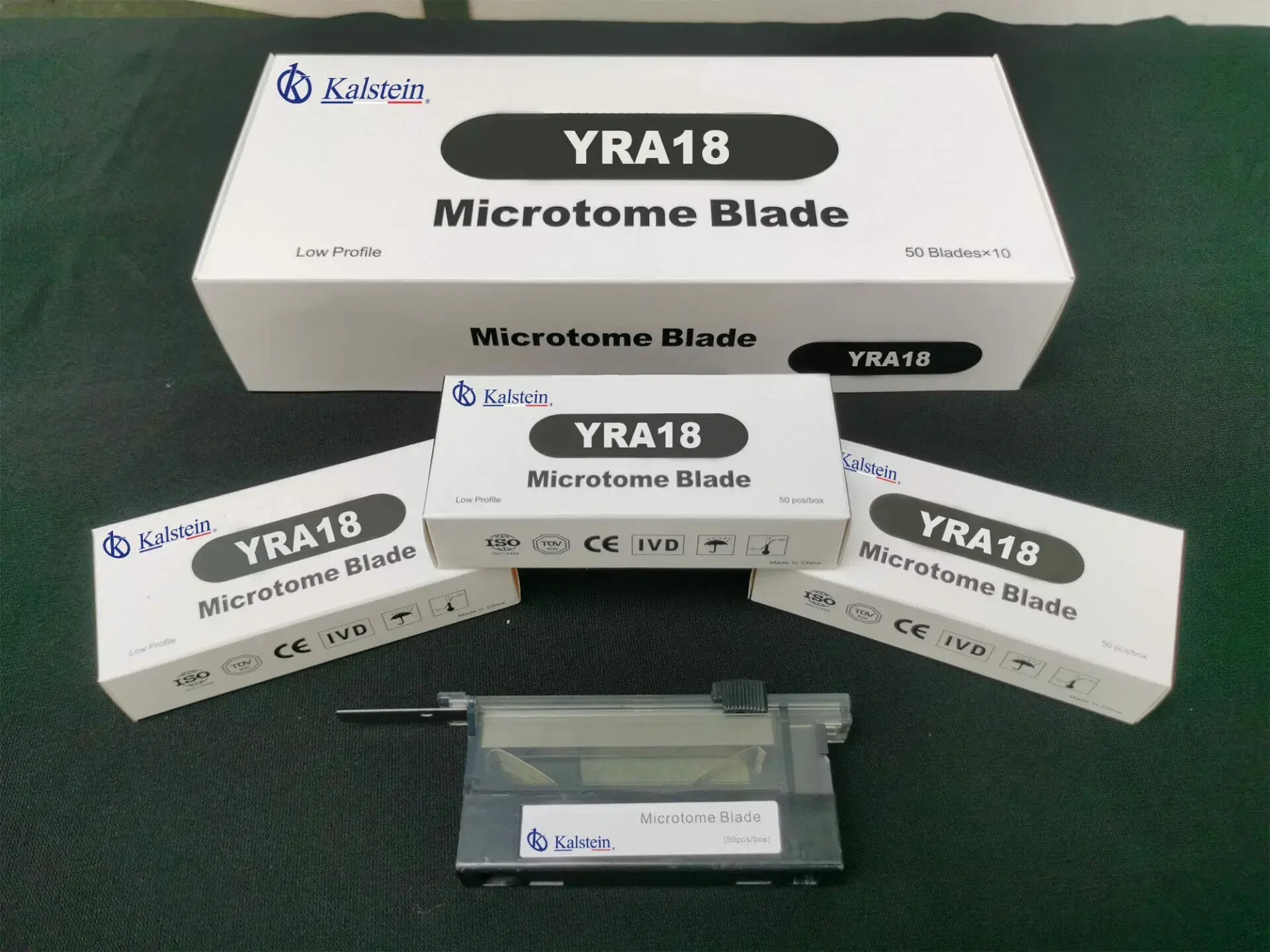
When selecting histopathology consumables for use with LIMS, consider models that provide reliable performance while supporting data digitization. For instance, the Disposable Microtome Blade (Low Profile) YRA18-1 and the Disposable Microtome Blade (High Profile) YRA19-1 are designed to deliver exceptional precision and reduce error rates. Their consistent performance ensures that each histological section is optimized for integration with LIMS.
Best Practices for LIMS Integration in Histopathology
Implementing best practices for LIMS integration can significantly improve data digitization. Start with a thorough assessment of current workflows and identify areas for improvement. Standardize the use of consumables like Tissue Embedding Cassettes (YRA20-1) and Paraffin Blocks (YRA33-2) that align with LIMS protocols. Training staff on LIMS functionalities and proper use of consumables can further enhance data handling efficiency.
Comparison of Available Models
| Model | Description | Best for | Price (USD) |
|---|---|---|---|
| YRA18-1 | Disposable microtome blade (Low profile) | Precision cutting in routine histology | 10000.00 |
| YRA19-1 | Disposable microtome blade (High profile) | Enhanced cutting of larger specimens | 1600.00 |
| YRA20-1 | Tissue embedding cassette | Sample identification and organization | 252.00 |
| YRA21-1 | Plastic cassette with plastic cover | Durable sample storage | 144.00 |
| YRA33-2 | Paraffin block | Embedding tissue samples | 60.00 |
| YRA33-3 | Granular paraffin | High-quality embedding material | 60.00 |
Common Mistakes and How to Avoid Them
In histopathology laboratories, common mistakes often arise from improper consumable selection, lack of training on LIMS functionalities, and failure to standardize protocols. To avoid these pitfalls, ensure that all team members are trained in the use of selected consumables, such as the Disposable Microtome Blade YRA19-1, and that protocols align with LIMS compatibility. Regular audits can help identify and rectify any inconsistencies.
Leveraging Technology for Improved Data Management
Technological advancements in laboratory equipment can significantly enhance data management. By utilizing consumables that are designed for compatibility with LIMS, such as the Tissue Embedding Cassettes (YRA20-1), laboratories can achieve a streamlined process from sample preparation to data storage. Automation and electronic tracking can further reduce human error and improve overall data accuracy.
Frequently Asked Questions
How can LIMS integration improve histopathology lab efficiency?
LIMS integration enhances efficiency by automating data flow and sample tracking, thereby reducing manual entry errors. Using high-quality consumables, like the Disposable Microtome Blade YRA18-1, ensures precise sample preparation that aligns with LIMS requirements.
What are the best practices for using histopathology consumables with LIMS?
Best practices include selecting models compatible with LIMS, such as the Tissue Embedding Cassette YRA20-1, standardizing protocols, and training staff on both the consumables and LIMS functionalities to improve workflow and accuracy.
Which consumables are essential for successful LIMS integration in histopathology?
Essential consumables include the Disposable Microtome Blades (YRA18-1 and YRA19-1) and Tissue Embedding Cassettes (YRA20-1). These products are designed to deliver high-quality preparations that facilitate successful integration with LIMS.
How do I ensure data integrity when using histopathology consumables?
Ensuring data integrity involves using high-quality consumables like the Plastic Cassette (YRA21-1) for reliable sample storage and tracking, combined with LIMS functionalities to automate data entry and reduce human error.
What are the financial implications of LIMS integration for histopathology labs?
The financial implications include initial costs for LIMS implementation and consumables, but the long-term ROI can be substantial through reduced errors and improved efficiencies. For instance, the efficient use of the Paraffin Block YRA33-2 can lower operational costs.
Are there specific LIMS protocols that histopathology labs should follow?
Yes, histopathology labs should follow protocols that ensure compatibility with LIMS, such as using standardized labeling and sample tracking methods. High-quality consumables like the Granular Paraffin YRA33-3 can enhance adherence to these protocols.
What trends are shaping the future of LIMS in histopathology?
Trends include the increasing automation of workflows, the integration of advanced data analytics, and the use of high-quality consumables that ensure compatibility with LIMS processes, like the Disposable Microtome Blade YRA19-1, which enhances cutting efficiency.
Where can I find high-quality histopathology consumables for LIMS integration?
High-quality histopathology consumables can be sourced from specialized laboratory suppliers. For instance, the Disposable Microtome Blade YRA18-1 and Tissue Embedding Cassettes YRA20-1 are available and ideal for LIMS integration.
If you are looking for high-quality histopathology consumables and seamless LIMS integration, request a quote today to understand how we can meet your specific laboratory needs.
If you are looking for a fusion of innovation and quality, you have come to the right place. At Kalstein, we offer you the luxury of exploring our exclusive catalog of laboratory equipment. We manufacture every device to the highest standards of excellence. Our intuitive and seamless online purchasing channels are designed for your convenience, securing the most competitive prices. Hesitate no longer — we bring science to life, it is time to become part of our community.