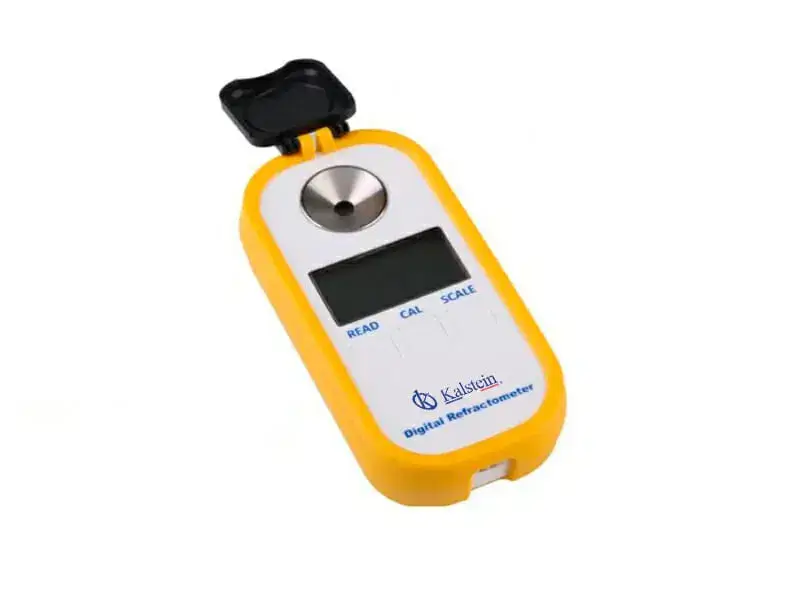
How to Optimize Predictive Maintenance and Calibration for Digital Salinity Refractometers
Digital salinity refractometers play a crucial role in laboratories, particularly in fields like marine biology, environmental science, and food processing. Regular predictive maintenance and calibration ensure the accuracy and longevity of these instruments. This article explores the importance of these practices and how they apply to the different models within the digital salinity refractometer category.
Understanding Predictive Maintenance in Digital Salinity Refractometers
Predictive maintenance refers to the proactive approach of maintaining equipment based on its condition rather than a set schedule. Key benefits include reducing downtime, prolonging equipment life, and optimizing operational efficiency. Digital salinity refractometers, like the YR05953, require periodic checks to ensure they accurately measure salinity and refractive index.
By implementing predictive maintenance, laboratories can monitor performance metrics such as temperature fluctuations and calibration drift. These indicators help determine when calibration is necessary, which can prevent costly errors in data collection.
Calibration Requirements for Digital Salinity Refractometers
Calibration is vital to ensure that a digital salinity refractometer provides precise measurements. Each model, such as the YR05954 and YR05955, features Automatic Temperature Compensation (ATC) that adjusts readings to maintain accuracy in varying temperatures. Regular calibration checks, usually recommended every six months, help to align the device's readings with standard measurements.
Establishing a calibration protocol involves using certified reference materials to confirm that the salinity readings match established standards. The calibration process should be documented, focusing on traceable standards to comply with quality control regulations.
Key Calibration Practices for Digital Salinity Refractometers
To ensure accuracy, laboratories should adopt several key calibration practices:
- Using Standard Solutions: Utilize known concentrations of salt solutions to calibrate models like the YR05956 and YR05957.
- Documenting Calibration Records: Keep detailed records of calibration activities, including date, personnel, and results.
- Verifying Calibration with Multiple Models: Cross-check results with other models, ensuring consistency across devices.
Comparison of Available Models
| Model | Measurement Range | Min Division | Accuracy | ATC | Best For |
|---|---|---|---|---|---|
| YR05953 | 0.0--28.0% | 0.10% | ±0.1% | Yes | Marine applications |
| YR05954 | 0--280‰ | 1‰ | ±1‰ | Yes | Food processing |
| YR05955 | 1.000-1.217 | 0.001 | ±0.002 | Yes | Laboratory research |
| YR05956 | 1.3330--1.3900nD | 0.0001nD | ±0.0003nD | Yes | Environmental monitoring |
| YR05957 | 0—100‰ | 1‰ | ±2‰ | Yes | Aquaculture |
| YR05958 | 0--57‰ | 1‰ | ±2‰ | Yes | Hydroponics |
| YR05959 | 1.000-1.070 | 0.001 | ±0.002 | Yes | Industrial applications |
| YR05960 | 1.3330--1.3530nD | 0.0001nD | ±0.0003nD | Yes | Research and development |
Common Mistakes and How to Avoid Them
In the pursuit of accuracy and reliability, laboratories often make common mistakes that can impact the performance of digital salinity refractometers. Below are some pitfalls to avoid:
- Neglecting Regular Calibration: Failing to calibrate regularly can lead to significant data errors. Ensure a routine calibration schedule is established.
- Ignoring Temperature Variations: Not considering the effects of temperature on readings can result in inaccurate measurements. Use models with ATC like YR05954.
- Using Non-Standard Solutions: Calibration should always be conducted with certified solutions. Using homemade solutions can lead to discrepancies.
Frequently Asked Questions
How often should digital salinity refractometers be calibrated for accuracy?
Digital salinity refractometers, such as the YR05953, should ideally be calibrated every six months or sooner based on usage frequency. This ensures accurate readings and compliance with quality control standards.
What is the benefit of Automatic Temperature Compensation in salinity refractometers?
Automatic Temperature Compensation (ATC) in models like the YR05954 enhances measurement accuracy by automatically adjusting readings based on temperature variations. This is crucial for reliable results in temperature-sensitive environments.
Why is predictive maintenance important for digital salinity refractometers?
Predictive maintenance allows laboratories to anticipate equipment needs before failures occur. For example, monitoring the YR05956 can help identify calibration drift, reducing the risk of inaccurate data.
How can calibration standards impact the performance of salinity refractometers?
Calibration standards directly influence the accuracy of readings in digital salinity refractometers like the YR05955. Using recognized standards ensures compliance and reliability in laboratory results.
What maintenance practices can prolong the life of salinity refractometers?
Regular cleaning, prompt calibration, and protective storage can significantly extend the life of digital salinity refractometers such as the YR05957. Implementing these practices helps maintain optimal function.
Which model is best for aquaculture measurements and why?
The YR05957 is particularly suited for aquaculture as it measures salinity levels from 0—100‰ with ±2‰ accuracy, making it essential for monitoring water quality in fish farming.
How do digital salinity refractometers assist in food processing?
Models such as YR05954 are crucial in food processing as they ensure accurate salt concentration measurements, essential for maintaining product quality and regulatory compliance.
What are the consequences of not following calibration protocols for refractometers?
Neglecting calibration protocols can lead to erroneous readings, impacting research outcomes and product quality. For instance, the YR05956 might yield incorrect data affecting environmental assessments.
If you are looking for a fusion of innovation and quality, you have come to the right place. At Kalstein, we offer you the luxury of exploring our exclusive catalog of laboratory equipment. We manufacture every device to the highest standards of excellence. Our intuitive and seamless online purchasing channels are designed for your convenience, securing the most competitive prices. Hesitate no longer — we bring science to life, it is time to become part of our community.