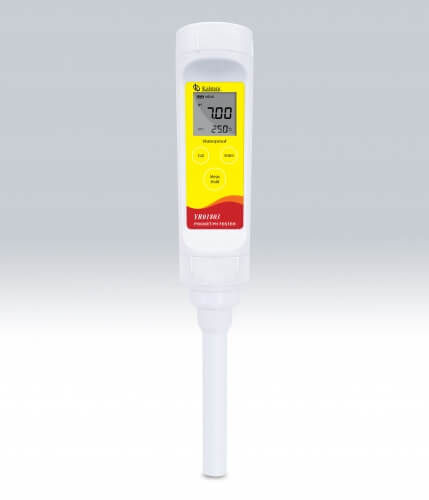
How to Optimize Predictive Maintenance and Calibration for Portable pH Meters
Portable pH meters are essential tools in various laboratory environments, enabling accurate measurements of pH levels in a wide range of applications. However, maintaining their accuracy through predictive maintenance and regular calibration is crucial for optimal performance. This article delves into the best practices for predictive maintenance and calibration for portable pH meters, helping laboratory professionals ensure the longevity and reliability of their instruments.
Understanding Predictive Maintenance for Portable pH Meters
Predictive maintenance refers to the proactive approach of monitoring the condition of portable pH meters to anticipate potential failures before they occur. This approach can significantly reduce downtime and maintenance costs while enhancing the instrument's reliability. Key aspects of predictive maintenance include regular performance assessments, monitoring environmental conditions, and timely calibration.
Calibration Intervals and Their Importance
Calibration is the process of comparing the measurements of a portable pH meter against known standards to ensure accuracy. Regular calibration is essential, as drift can occur over time due to factors such as temperature fluctuations or electrode wear. For portable pH meters like the YR01803, recommended calibration intervals are typically every one to three months, depending on usage frequency and environmental conditions.
Key Features for Effective Calibration
When selecting portable pH meters, it's crucial to consider models that offer features conducive to effective calibration. For instance, the YR01804 includes automatic buffer recognition, simplifying the calibration process by ensuring accurate readings against standard pH buffers. This can save time and enhance precision, which is vital in laboratory settings.
Choosing the Right Calibration Standards
Calibration standards play a pivotal role in the accuracy of pH measurements. Common standards include pH 4.01, 7.00, and 10.01 for U.S. buffer solutions. Models like the YR01802 and YR01802-1 are designed to accommodate multiple point calibrations (up to three points), allowing users to ensure high precision in their measurements across varying pH ranges.
Monitoring Environmental Factors
Environmental conditions can affect the performance of portable pH meters. Factors such as temperature and humidity must be monitored to maintain accuracy. The YR01803 provides automatic temperature compensation (ATC), which adjusts readings based on current temperature conditions, ensuring reliable results even in fluctuating environments.
Common Issues in Predictive Maintenance
Despite the best intentions, issues can arise during predictive maintenance. Common problems include neglecting to replace worn-out electrodes and failing to properly store pH meters. For instance, the YR01800, while compact and easy to carry, requires careful maintenance to avoid damage to its sensitive components.
Implementing a Calibration Plan
Creating a structured calibration plan is essential for any laboratory utilizing portable pH meters. A sample plan might include the following steps: establish calibration frequency, select appropriate standards, train personnel on calibration procedures, and document all calibration activities for compliance and traceability.
Comparison of Available Models
| Model | Calibration Points | Temperature Compensation | Best for |
|---|---|---|---|
| YR01803 | 1 to 3 | Automatic | General lab use |
| YR01804 | 1 to 3 | Manual | Field applications |
| YR01800 | 1 to 3 | Automatic | Quick measurements |
| YR01802 | 1 to 3 | Automatic | Semisolid samples |
Common Mistakes and How to Avoid Them
Laboratories often encounter mistakes in the maintenance of portable pH meters, such as skipping calibration or using expired buffers. To avoid these issues, establish a routine that includes regular checks on calibration status and buffer expiration dates. Additionally, ensure that all personnel are trained on proper storage and maintenance protocols for each model, such as the YR01804's BNC connector for electrode swapping.
Frequently Asked Questions
How often should portable pH meters be calibrated for accurate readings?
Portable pH meters, such as the YR01803, should ideally be calibrated every one to three months, depending on usage frequency and storage conditions, to ensure accurate readings.
What calibration standards are recommended for portable pH meters?
Calibration standards typically include pH 4.01, 7.00, and 10.01 for U.S. buffers. Models like the YR01802 support multiple calibration points to enhance accuracy in various applications.
Which features should I look for in a portable pH meter for predictive maintenance?
Key features include automatic temperature compensation, multiple point calibration, and durable electrode materials. The YR01804 offers manual temperature compensation, which can be useful in specific field conditions.
How can I monitor the condition of my portable pH meter effectively?
Regular performance assessments and environmental monitoring are crucial. Using models like the YR01803 can aid in tracking temperature variations thanks to its automatic compensation feature.
What are the common signs that a portable pH meter needs calibration?
Common signs include inconsistent readings, drift from known standards, or failure to stabilize. Regular checks using a model like the YR01800 can help identify these issues early.
How important is electrode maintenance for pH meters?
Electrode maintenance is critical to ensure accurate readings. Models like the YR01802 come with replaceable electrodes, which should be regularly checked for wear and replaced as needed.
What storage conditions are best for portable pH meters?
Portable pH meters should be stored in a cool, dry place, away from extreme temperatures and humidity. Proper storage extends the life of sensitive components like those found in the YR01804.
How can I create an effective calibration schedule for my laboratory?
Creating a calibration schedule involves determining the frequency based on usage, selecting the right standards, and training staff. A structured approach helps maintain compliance and accuracy across all models, including the YR01803.
If you are looking for a fusion of innovation and quality, you have come to the right place. At Kalstein, we offer you the luxury of exploring our exclusive catalog of laboratory equipment. We manufacture every device to the highest standards of excellence. Our intuitive and seamless online purchasing channels are designed for your convenience, securing the most competitive prices. Hesitate no longer — we bring science to life, it is time to become part of our community.