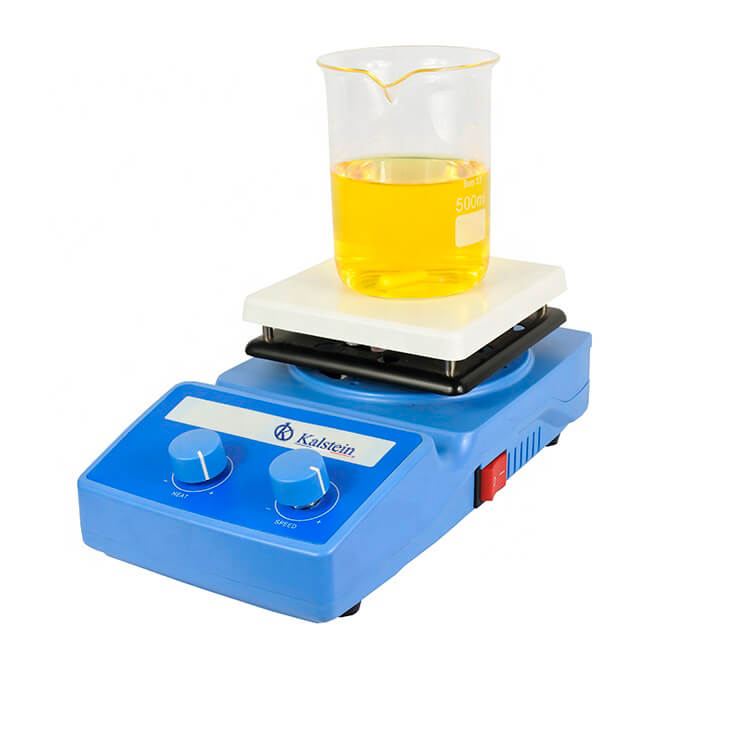
How to Optimize ROI and Cost-Benefit Analysis for Hotplate Stirrer in Laboratories
In today’s fast-paced laboratory environment, understanding the return on investment (ROI) and conducting a thorough cost-benefit analysis is crucial for making informed equipment purchasing decisions. This article focuses on the Analog Ceramic Top Hotplate Stirrers, exploring various models and how they impact laboratory efficiency, cost control, and overall operational effectiveness.
Understanding ROI and Cost-Benefit Analysis in Laboratory Equipment
ROI is a performance measure used to evaluate the efficiency of an investment, which in the context of laboratory equipment, translates to the financial benefits gained from the purchase against its costs. A cost-benefit analysis complements ROI by assessing the expected costs against the anticipated advantages, thereby providing a comprehensive overview of how equipment will contribute to laboratory operations. For hotplate stirrers, factors like initial investment, operational costs, maintenance, and projected lifespan are essential in determining their financial viability.
Evaluating Hotplate Stirrer Models for ROI
Different models of Analog Ceramic Top Hotplate Stirrers offer varying features and specifications that influence their ROI. By analyzing specifications such as heating efficiency, operational costs, and ease of use, laboratories can determine which models align best with their operational needs and budget constraints. Below, we delve into the details of multiple models available in this category.
Comparison of Available Models
| Model | CAPEX (USD) | Cost per test (USD) | Payback (months) | Recommended Scenario |
|---|---|---|---|---|
| YR02933 | 125.00 | 0.50 | 6 | Small labs with low throughput |
| YR02934 | 152.00 | 0.75 | 7 | Medium labs requiring versatility |
| YR02935 | 190.00 | 1.00 | 5 | High-throughput applications |
| YR02936 | 265.00 | 1.50 | 8 | Research labs with diverse needs |
Cost Analysis: CAPEX vs OPEX
When planning for new laboratory equipment, it’s vital to differentiate between capital expenditures (CAPEX) and operational expenditures (OPEX). CAPEX includes the initial costs of purchasing the hotplate stirrer, while OPEX includes ongoing costs, such as maintenance, energy consumption, and consumables. By assessing both CAPEX and OPEX, laboratories can better understand the total cost of ownership for each model and predict the total investment required over time.
Energy Efficiency and Operational Costs
Energy consumption is a critical factor influencing the OPEX of hotplate stirrers. Models like the YR02935 with a heating power of 750 watts can significantly affect the overall energy bill of a lab. Energy-efficient models help in reducing costs, while also aligning with sustainability goals. Evaluating the energy consumption per test for each model can provide insights into their cost-effectiveness in long-term use.
Maximizing Efficiency Through Proper Utilization
Proper utilization of hotplate stirrers can maximize their efficiency and ROI. Training staff on best practices for using these devices, regular maintenance schedules, and careful selection of stirrer features for specific applications can greatly enhance productivity. Models like the YR02934 offer automatic PID temperature control, ensuring consistent performance and reducing the likelihood of operator errors.
Common Mistakes and How to Avoid Them
One of the common mistakes laboratories make is underestimating the total cost of ownership by only focusing on the CAPEX. It is essential to consider OPEX, maintenance, and the equipment's lifespan. Additionally, failing to match the equipment specifications with lab requirements can lead to inefficiencies and increased operational costs. Thorough evaluations and analyses prior to purchase decisions can alleviate these errors.
Frequently Asked Questions
How does the cost-benefit analysis for hotplate stirrers impact laboratory budget decisions?
A cost-benefit analysis allows laboratories to evaluate the financial impact of each hotplate stirrer model, such as the YR02935, by comparing initial costs to long-term operational costs, leading to informed budget decisions.
Which features should be prioritized in a hotplate stirrer for maximizing ROI?
Features like automatic temperature control, heating efficiency, and reliability should be prioritized to maximize ROI from hotplate stirrers like the YR02934, ensuring they meet your lab's specific workflow requirements.
What is the expected payback period for the YR02936 hotplate stirrer?
The YR02936 model has a payback period of approximately eight months, making it a solid investment for labs that require high-performance heating and stirring capabilities.
How can a laboratory effectively reduce operational costs related to hotplate stirrers?
Laboratories can reduce operational costs by selecting energy-efficient models like the YR02935 and implementing regular maintenance to ensure optimal performance and longevity.
What factors influence the cost per test for hotplate stirrers?
Factors such as the initial investment, energy consumption, and maintenance costs all influence the cost per test for hotplate stirrers, like the YR02934, making a thorough analysis essential.
Why is it important to compare multiple hotplate stirrer models before purchasing?
Comparing multiple models, such as the YR02933 and YR02936, helps laboratories assess the best fit for their specific needs while optimizing their ROI and controlling costs.
How does the temperature control feature affect the performance of hotplate stirrers?
Temperature control is crucial for consistent results; models like the YR02934 with PID control ensure accurate heating, thereby enhancing the overall performance of laboratory processes.
What role does maintenance play in maximizing the ROI of hotplate stirrers?
Regular maintenance ensures that hotplate stirrers, like the YR02935, operate efficiently and have a longer lifespan, maximizing ROI by decreasing unexpected costs and downtime.
If you are looking for a fusion of innovation and quality, you have come to the right place. At Kalstein, we offer you the luxury of exploring our exclusive catalog of laboratory equipment. We manufacture every device to the highest standards of excellence. Our intuitive and seamless online purchasing channels are designed for your convenience, securing the most competitive prices. Hesitate no longer — we bring science to life, it is time to become part of our community.