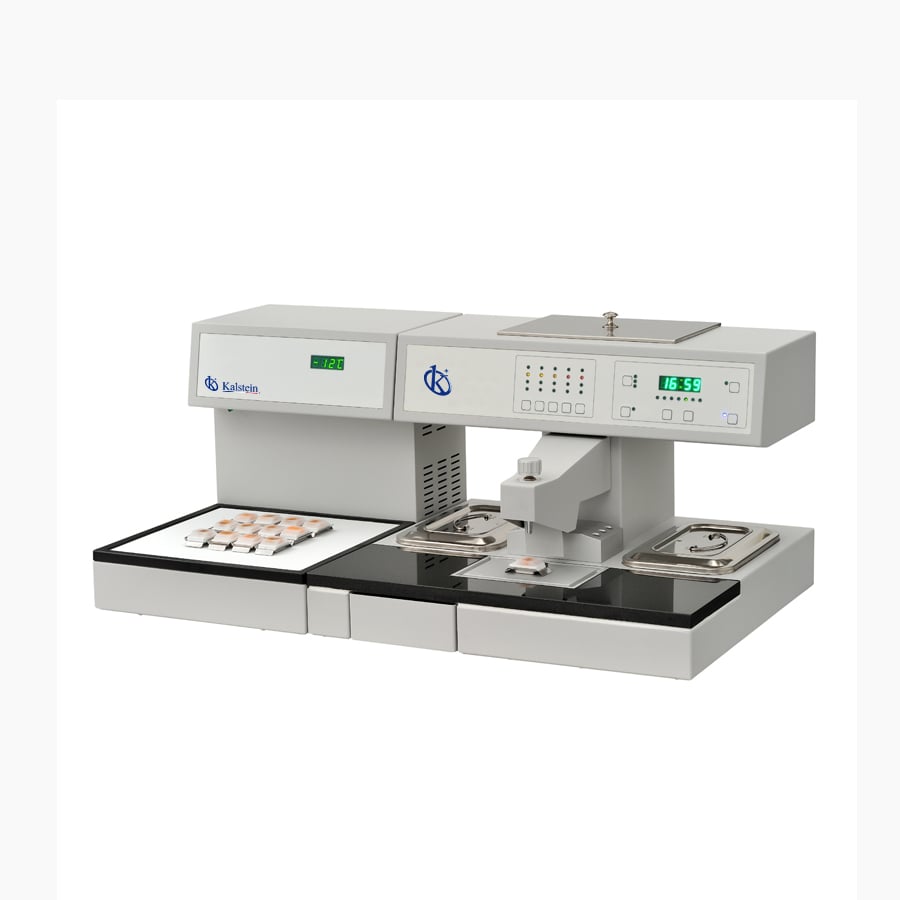
How to Optimize ROI and Cost-Benefit Analysis for Tissue Embedding Systems
In the context of laboratory operations, particularly in histology and pathology, the choice of tissue embedding systems plays a crucial role in determining both the efficiency and cost-effectiveness of processing samples. Maximizing the return on investment (ROI) and conducting a comprehensive cost-benefit analysis are essential for laboratory managers aiming to improve operational performance while maintaining quality. This article delves into various models of tissue embedding systems, highlighting their advantages and helping you evaluate which models best meet your laboratory's needs.
Understanding ROI and Cost-Benefit in Tissue Embedding Systems
The ROI for laboratory equipment like tissue embedding systems can be understood through various parameters, including acquisition costs, operational efficiencies, and the long-term benefits of using advanced technology. When analyzing cost-benefit, it’s important to assess initial investments against potential savings and increased throughput. For example, while a model like the YR441 has a price point of $2,200, its programmability may reduce labor costs by enabling automatic operation, thus positively impacting ROI.
Key Factors Influencing ROI in Tissue Embedding Systems
Several factors influence the ROI of tissue embedding systems. These include:
- Initial Costs: The upfront price of the equipment, as well as installation and training expenses.
- Operational Costs: Ongoing expenses related to maintenance, consumables, and energy consumption.
- Efficiency Gains: The ability to process more samples in less time, which can lead to increased revenue.
- Technological Advancements: Features like programmable settings can enhance user experience and reduce errors.
Comparison of Available Models
| Model | CAPEX (USD) | Cost per Test | Payback (Months) | Recommended Scenario |
|---|---|---|---|---|
| YR441 | 2200.00 | Calculated based on throughput | 12 | Routine histology labs |
| YR447 | 2800.00 | Calculated based on throughput | 10 | High-volume labs requiring automation |
| YR439 | 1300.00 | Calculated based on throughput | 15 | Small labs with budget constraints |
| YR445 | 1800.00 | Calculated based on throughput | 14 | Mid-size labs with moderate throughput |
| YR439-1 | 2100.00 | Calculated based on throughput | 13 | Versatile labs needing automated control |
| YR440B | 1100.00 | Calculated based on throughput | 16 | Labs needing efficient cooling solutions |
Common Mistakes and How to Avoid Them
When investing in tissue embedding systems, laboratories often make common mistakes that can hinder ROI. Here are some pitfalls to watch out for and how to avoid them:
- Neglecting Total Cost of Ownership: Focusing solely on initial costs without considering maintenance and consumable expenses can lead to underestimating overall expenditure. Always factor in these costs in your analysis.
- Not Evaluating Throughput Needs: Purchasing a system that does not align with the laboratory's sample processing requirements can lead to inefficiencies. Assess current and future needs before making a decision.
- Failing to Train Staff: Inadequate training can result in operational errors and reduced efficiency. Ensure that all users are well-trained to maximize the system's potential.
Maximizing Efficiency in Tissue Embedding Systems
Improving efficiency in tissue embedding systems is key to a favorable cost-benefit outcome. Here are strategies to enhance operational efficiency:
- Automate Repetitive Tasks: Models like the YR447 offer advanced programming capabilities that allow for automated operations, minimizing manual intervention and reducing errors.
- Optimize Workflow: Arrange the laboratory layout for an efficient workflow that minimizes movement and time spent on non-productive tasks.
- Regular Maintenance: Scheduled maintenance can prevent breakdowns and ensure that the systems operate at peak performance.
Energy Consumption Insights for Cost Management
Understanding the energy consumption of tissue embedding systems can help managers control costs effectively. Here's a breakdown of estimated energy consumption based on model usage:
| Model | Energy Consumption (kWh/Month) | Cost of Energy (USD) | Operational Efficiency |
|---|---|---|---|
| YR441 | 50 | 7.50 | High |
| YR447 | 45 | 6.75 | Very High |
| YR439 | 60 | 9.00 | Medium |
| YR445 | 55 | 8.25 | High |
| YR439-1 | 40 | 6.00 | Very High |
| YR440B | 70 | 10.50 | Medium |
Frequently Asked Questions
How do I determine the ROI for a tissue embedding system in my lab?
To calculate the ROI for a tissue embedding system, such as the YR441, consider factors like CAPEX, operational costs, and throughput improvements. By measuring the incremental revenue from increased efficiency against the overall investment, you can determine the payback period and expected returns.
What are the operational costs associated with the YR447 tissue embedding system?
Operational costs for the YR447 tissue embedding system include energy consumption, consumables, and maintenance expenses. Understanding these factors is crucial for estimating the total cost of ownership and comparing it with expected efficiency gains.
Which tissue embedding system offers the best value for small labs?
The YR439 model offers a cost-effective solution for small laboratories. Priced at $1,300, it balances initial investment with operational efficiency, making it ideal for labs with budget constraints.
How does automation in the YR445 improve lab productivity?
Automation in the YR445 model speeds up tissue embedding processes by minimizing manual interventions, thereby increasing sample throughput without compromising quality. This leads to enhanced productivity and reduced operational costs.
What should I consider when evaluating energy consumption of embedding systems?
When evaluating energy consumption, measure the kilowatt-hours per month each model uses. For instance, the YR440B consumes approximately 70 kWh/month, which can contribute significantly to operational costs if not monitored.
How can a laboratory maximize the benefits of the YR439-1 system?
To maximize the benefits of the YR439-1 system, ensure proper training for staff, maintain regular servicing schedules, and utilize its programmable functions to automate routine tasks, which enhances overall productivity.
What factors contribute to the cost-effectiveness of tissue embedding systems?
Factors contributing to cost-effectiveness include purchase price, maintenance costs, energy efficiency, and throughput capabilities. Systems like the YR447 are designed to maximize efficiency, thereby improving cost-effectiveness for busy labs.
How can I assess the long-term benefits of a new tissue embedding system?
Assess long-term benefits by performing a detailed cost-benefit analysis. Compare initial costs, expected durability, and operational efficiency with historical costs of existing systems, focusing on metrics like reduced labor and increased sample processing capacity.
If you are looking for a fusion of innovation and quality, you have come to the right place. At Kalstein, we offer you the luxury of exploring our exclusive catalog of laboratory equipment. We manufacture every device to the highest standards of excellence. Our intuitive and seamless online purchasing channels are designed for your convenience, securing the most competitive prices. Hesitate no longer — we bring science to life, it is time to become part of our community.