Optimizing Predictive Maintenance and Calibration for Oil Baths in Laboratories
In laboratory environments, maintaining precise temperature control is crucial for various applications, from bioengineering and medical research to chemical analysis. Oil baths offer a reliable solution for achieving consistent thermal conditions. However, ensuring that these devices operate optimally over time requires a robust maintenance strategy. This article delves into the importance of predictive maintenance and periodic calibration for oil baths, highlighting the best practices, model comparisons, and common mistakes to avoid.
Understanding Predictive Maintenance and Calibration
Predictive maintenance involves monitoring equipment to predict failures before they occur, which can help prevent unplanned downtime and extend the lifecycle of laboratory instruments. Calibration, on the other hand, is the process of adjusting and verifying the accuracy of an instrument's measurements. For oil baths, accurate calibration ensures they provide uniform temperature control, which is essential for achieving reliable experimental results.
Importance of Regular Calibration and Maintenance
Regular calibration and maintenance of oil baths not only enhance their performance but also ensure compliance with ISO standards, which are essential for laboratories aiming for certification. Calibration minimizes measurement errors, which is vital when conducting sensitive experiments that rely on precise temperature control. Moreover, proactive maintenance helps avoid costly repairs and replacements, thereby optimizing overall operational costs.
Best Practices for Predictive Maintenance of Oil Baths
Implementing a predictive maintenance plan for oil baths includes several key practices. First, laboratories should set up a routine check to monitor the temperature stability and fluctuations. Additionally, utilizing software to track usage patterns can help identify when maintenance is due or when recalibration might be needed. It is also essential to document all maintenance activities to maintain traceability and compliance.
Calibration Intervals Based on Usage
The appropriate calibration interval for oil baths largely depends on their usage frequency. For instance, oil baths used daily in research labs may require calibration every month, while those used less frequently could be calibrated quarterly. Establishing a clear calibration schedule helps maintain accuracy and reliability over time.
Choosing the Right Oil Bath for Your Needs
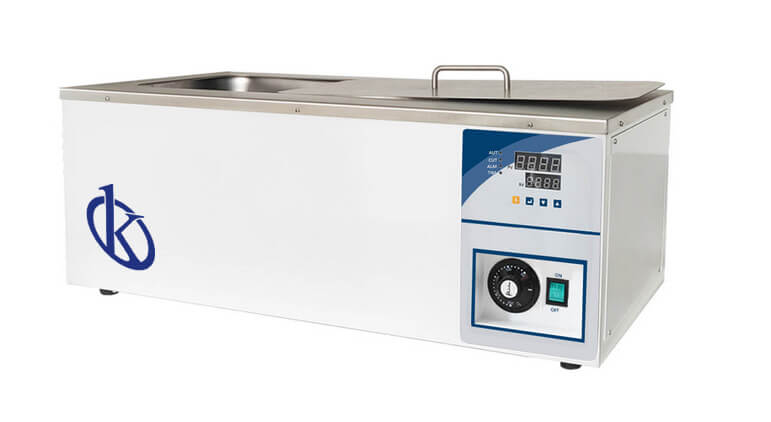
When selecting an oil bath for your laboratory, it is essential to consider factors such as temperature range, stability, and safety features. Oil bath models like YR04973, YR04974, YR04975, and YR04976 all offer excellent temperature control features with PID controllers, yet differ in their specifications, which can impact their suitability for specific laboratory applications.
Comparison of Available Models
| Model | Temperature Range (°C) | Power (W) | Size (mm) | Price (USD) |
|---|---|---|---|---|
| YR04973 | RT +5~250 | 1000 | 300 x 240 x 150 | 150.00 |
| YR04974 | RT +5~250 | 1200 | 300 x 240 x 200 | 165.00 |
| YR04975 | RT +5~250 | 1600 | 500 x 290 x 150 | 192.00 |
| YR04976 | RT +5~250 | 2000 | 500 x 290 x 200 | 250.00 |
Common Mistakes and How to Avoid Them
Laboratories often overlook the importance of keeping proper maintenance records, which can lead to missed calibration dates and reduced performance. Another common mistake is failing to train staff on the proper use of oil baths, which can result in operating errors or damage to the equipment. It's crucial to establish clear protocols and provide adequate training to all personnel involved in using these devices.
Frequently Asked Questions
How do I determine the calibration frequency for my oil bath?
The calibration frequency for oil baths like YR04973 generally depends on usage. Daily use typically necessitates monthly calibration, while less frequent use may require quarterly checks to ensure accuracy and compliance with standards.
What are the key features to look for in an oil bath for laboratories?
Key features to consider when selecting an oil bath include the temperature range, power capacity, and size. Models such as YR04974 provide excellent performance with a power capacity of 1200W and a temperature range of RT +5~250°C, making them suitable for a variety of laboratory applications.
How can predictive maintenance save costs in my laboratory?
Predictive maintenance can save costs by reducing unplanned downtime and extending the lifespan of equipment like the YR04975 oil bath. By monitoring performance and scheduling maintenance before failure occurs, labs can avoid costly repairs and maximize operational efficiency.
What safety features should be present in an oil bath?
Safety features in oil baths should include overcurrent protection, over-temperature alarms, and mechanical temperature limiters. Models like YR04976 are equipped with such features, ensuring safe operation in laboratory settings.
How does temperature fluctuation impact my experiments?
Temperature fluctuations can significantly affect experimental results, leading to inaccuracies. Oil baths such as YR04973 with a temperature fluctuation of ≤±0.5°C are designed to provide stable conditions, essential for obtaining consistent and reliable data.
What is the benefit of using an oil bath over a water bath?
Oil baths provide higher temperature ranges and maintain consistent temperatures more effectively than water baths, making them ideal for applications requiring precise thermal control. Models like YR04976 are particularly suited for high-temperature applications.
If you are looking for a fusion of innovation and quality, you have come to the right place. At Kalstein, we offer you the luxury of exploring our exclusive catalog of laboratory equipment. We manufacture every device to the highest standards of excellence. Our intuitive and seamless online purchasing channels are designed for your convenience, securing the most competitive prices. Hesitate no longer — we bring science to life, it is time to become part of our community.