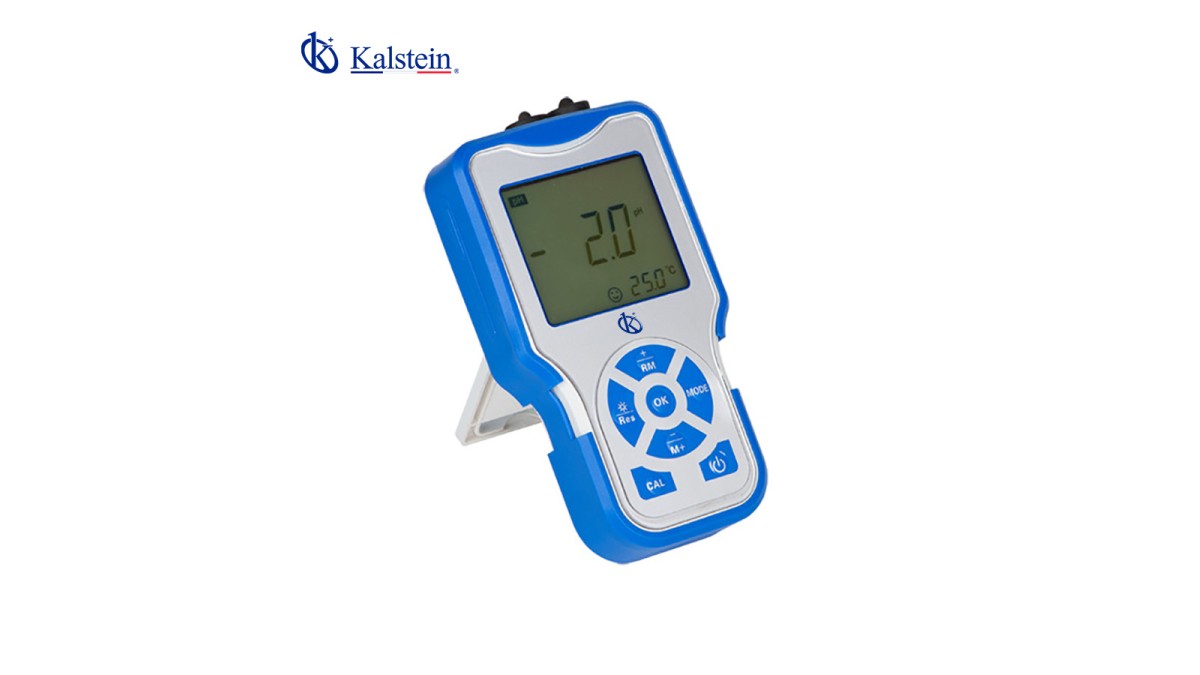
Portable Ion Meters: Practical Usage Guide in 2026
Portable ion meters have become vital tools in laboratory settings. These devices allow professionals to measure ion concentrations accurately and efficiently. This guide aims to provide a thorough understanding of portable ion meters, their applications, and practical usage techniques for laboratory professionals in 2026.
What is it used for in 2026
In 2026, portable ion meters are primarily used in various fields, including environmental monitoring, food safety, and educational laboratories. They are essential for measuring pH levels, ion concentrations, and other critical parameters in real-time. Their portability allows for easy usage in both fieldwork and laboratory settings.
History and evolution of the technology
The evolution of portable ion meters has been remarkable. Initially developed in the mid-20th century, these devices have incorporated advanced technology over the years, transitioning from bulky analog meters to compact, digital models. The introduction of features such as automatic calibration, temperature compensation, and user-friendly interfaces has significantly enhanced their usability and effectiveness.
How to use it step by step
Using a portable ion meter involves several straightforward steps. Here is a step-by-step guide:
- Calibrate the Meter: Begin by calibrating the portable ion meter to ensure accurate readings. Follow the manufacturer’s instructions to set the appropriate calibration points based on the ion type you are measuring.
- Prepare the Sample: Collect the sample you wish to test. Ensure it is well-mixed and representative of the solution.
- Insert the Electrode: Immerse the electrode into the sample, making sure it is fully submerged.
- Read the Measurements: Wait for the reading to stabilize on the display. Record the pH or ion concentration as required.
- Rinse the Electrode: After use, rinse the electrode with distilled water to prevent cross-contamination.
- Store Properly: Keep the electrode in a storage solution provided by the manufacturer when not in use.
Best techniques and protocols
To achieve the best results with portable ion meters, adhere to the following techniques and protocols:
- Always calibrate before each use, especially if the device has not been used for an extended period.
- Use fresh calibration standards that are within their expiration dates.
- Handle the electrode with care, avoiding any damage or contamination.
- Maintain a consistent temperature during measurements, as temperature variations can affect readings.
- Regularly check and maintain the instrument according to the manufacturer's guidelines.
Practical applications by laboratory type
Portable ion meters find applications across various laboratory types:
- Environmental Laboratories: Used for testing water quality in rivers, lakes, and oceans, ensuring compliance with environmental regulations.
- Food Safety Labs: Essential for monitoring the quality of food products, ensuring they meet safety standards.
- Educational Institutions: Frequently utilized in teaching laboratories for hands-on learning experiences in chemistry and biology.
Regulations, standards and certifications
In 2026, compliance with regulations is crucial for laboratory practices. Portable ion meters should adhere to the following standards:
- ISO 9001: Quality Management Systems
- ISO 17025: General Requirements for the Competence of Testing and Calibration Laboratories
- Local environmental regulations specific to water quality testing
Comparison with alternative technologies
When compared to other technologies, such as fixed ion analyzers and spectrophotometers, portable ion meters offer distinct advantages:
- Portability: Ideal for fieldwork, unlike fixed analyzers.
- Real-Time Results: Provide immediate readings, which is not always the case with spectrophotometry.
- User-Friendly: Generally easier to operate than more complex laboratory equipment.
Comparison of available models
| Model | Best for | Key specs | Recommended use case |
|---|---|---|---|
| YR01816 | General pH and ion measurement | Range: -2.000 to 20.000 pH, Accuracy: ± 0.002 pH | Laboratory settings for pH and ion measurement |
| YR01817-1 | Ammonium ion measurement | Range: 5 × 10⁻⁶ to 1 M, Accuracy: ± 0.5% FS | Field applications for ammonium detection |
| YR01817-10 | Ammonium ion measurement | Range: 5 × 10⁻⁶ to 1 M, Accuracy: ± 0.5% FS | Precision ammonium testing in laboratories |
| YR01817-11 | Ammonium ion measurement | Range: 5 × 10⁻⁶ to 1 M, Accuracy: ± 0.5% FS | Field applications requiring mobile testing |
| YR01817-12 | Ammonium ion measurement | Range: 5 × 10⁻⁶ to 1 M, Accuracy: ± 0.5% FS | Testing in challenging environments |
| YR01817-13 | Ammonium ion measurement | Range: 5 × 10⁻⁶ to 1 M, Accuracy: ± 0.5% FS | General purpose ammonium tests |
Common mistakes and how to avoid them
When using portable ion meters, certain common mistakes can lead to inaccurate results:
- Neglecting Calibration: Always ensure that calibration is current before use.
- Improper Electrode Care: Handle electrodes carefully to avoid damage.
- Ignoring Temperature Effects: Monitor and control sample temperature during measurements.
Maintenance, calibration and good practices 2026
For optimal performance of portable ion meters in 2026, regular maintenance and calibration are essential. Follow these practices:
- Perform calibration checks regularly, especially if the device shows erratic results.
- Store electrodes in appropriate solutions to maintain their integrity.
- Clean the device after each use and during scheduled maintenance.
Cost-benefit analysis 2026
In 2026, the cost of portable ion meters can vary significantly depending on features and specifications. However, the benefits often outweigh the costs due to:
- Increased efficiency and speed in measurements
- Reduction in potential errors compared to manual methods
- Versatility across different applications and settings
Frequently asked questions
What should I consider when choosing a portable ion meter?
When selecting a portable ion meter, consider factors such as the type of ion to be measured, the required accuracy, the device's calibration capabilities, and its portability features.
How often should I calibrate my portable ion meter?
It is recommended to calibrate your portable ion meter before each use, especially if it has not been used for a while or if you are measuring different ions.
Can portable ion meters be used in the field?
Yes, portable ion meters are specifically designed for field use. Their lightweight and compact nature makes them ideal for testing in various environments.
What are common maintenance practices for portable ion meters?
Common maintenance practices include regular calibration, cleaning the electrode after use, and storing the meter and electrodes properly to prevent damage.
Are there specific regulations for using portable ion meters in laboratories?
Yes, portable ion meters must comply with industry standards such as ISO regulations, and it is crucial to follow local guidelines regarding environmental testing.
What is the benefit of using portable ion meters over traditional methods?
Portable ion meters offer real-time results, ease of use, and greater portability compared to traditional laboratory methods, making them ideal for quick and accurate measurements.
If you are looking for a fusion of innovation and quality, you have come to the right place. At Kalstein, we offer you the luxury of exploring our exclusive catalog of laboratory equipment. We manufacture every device to the highest standards of excellence. Our intuitive and seamless online purchasing channels are designed for your convenience, securing the most competitive prices. Hesitate no longer — we bring science to life, it is time to become part of our community.