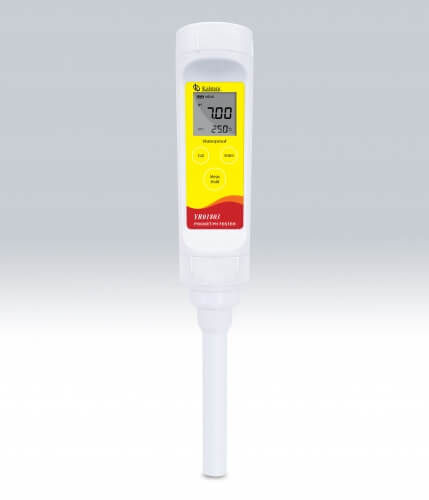
Portable pH Meters: Practical Applications and Techniques 2026
What is it used for in 2026
Portable pH meters are essential instruments in various laboratory settings, including clinical, environmental, and industrial applications. In 2026, their usage extends beyond simple pH measurement to include monitoring the acidity or alkalinity of a wide range of samples, from liquids to semi-solids. They are widely employed in agriculture for soil testing, in food safety for quality control, and in water treatment processes. Their portability allows for on-site testing, making them an invaluable tool for professionals who require immediate results.
History and evolution of the technology
The evolution of portable pH meters dates back to the early 20th century when the first glass electrodes were developed. Over the decades, the technology has advanced significantly, transitioning from bulky laboratory equipment to compact, battery-operated devices that can be used in the field. The incorporation of digital displays, automatic temperature compensation, and multiple calibration points has enhanced accuracy and ease of use. By 2026, advancements in materials and technology have further improved reliability, making portable pH meters indispensable in modern laboratories.
How to use it step by step
Using a portable pH meter involves several straightforward steps:
- Preparation: Ensure the device is clean and calibrated. Select the appropriate calibration standards based on the pH range expected.
- Calibration: Calibrate the pH meter by inserting the electrode into the calibration solutions, following the manufacturer's guidelines.
- Sample Preparation: Prepare the sample to be tested, ensuring it is homogeneous.
- Measurement: Insert the electrode into the sample, allowing it to stabilize. Record the pH reading displayed on the screen.
- Cleaning: After use, clean the electrode according to the manufacturer's recommendations to ensure longevity.
Best techniques and protocols
To achieve the best results when using portable pH meters, follow these techniques and protocols:
- Always calibrate before use and regularly check calibration during tests.
- Use fresh calibration buffers that are not expired.
- Minimize exposure of the electrode to air to prevent contamination.
- Store the electrode properly, ensuring it remains moist and free from contaminants.
- Regularly verify the meter's accuracy with known standards.
Practical applications by laboratory type
Portable pH meters are used across various laboratory types, each with specific applications:
- Clinical Laboratories: Monitoring pH levels in bodily fluids for diagnostic purposes.
- Environmental Testing: Measuring pH in water bodies to assess ecosystem health, ensuring compliance with environmental regulations.
- Food Safety: Testing pH levels in food products to adhere to safety standards and improve shelf life.
- Agricultural Laboratories: Determining soil pH to optimize crop growth and nutrient availability.
Regulations, standards and certifications
In laboratories where pH meters are utilized, adherence to regulations and standards is crucial. ISO standards for testing methods, as well as specific guidelines from organizations such as the FDA or EPA, dictate the acceptable ranges and methods for pH testing. Certification of equipment used in laboratory settings is essential to maintain accuracy and compliance with industry standards.
Comparison with alternative technologies
While portable pH meters are widely used, there are alternative technologies available for pH measurement, such as:
- pH Test Strips: Inexpensive and easy to use, but less accurate and not suitable for all applications.
- Laboratory pH Meters: Provide high accuracy but are not portable, limiting their use to stationary applications.
- Colorimetric Methods: Involve chemical reactions and can indicate pH through color changes, but require more complex procedures.
Comparison of available models
| Model | Best for | Key specs | Recommended use case |
|---|---|---|---|
| YR01803 | High precision measurements | 0.01 pH resolution, automatic temperature compensation | Testing small volume samples in laboratory environments |
| YR01804 | Outdoor applications | Manual temperature compensation, BNC connector | Field testing of pH in air and soil |
| YR01800 | Portable usage | IP57 water and dust resistant | General use in various environments |
| YR01800-1 | Compact design | Low voltage alarm, automatic shutdown | Quick measurements in fieldwork |
| YR01802 | Measuring semi-solids | Dual screen LCD, suitable for semi-solids | Testing pH in food products |
Common mistakes and how to avoid them
When using portable pH meters, several common mistakes can occur. Here are ways to avoid them:
- Skipping Calibration: Always calibrate before use to ensure accuracy.
- Improper Storage: Store electrodes according to the manufacturer's guidelines to prevent damage.
- Neglecting Cleaning: Clean the electrode after every use to avoid contamination.
- Using Expired Buffers: Regularly check the expiration dates on calibration buffers.
Maintenance, calibration and good practices 2026
To maintain optimal performance of portable pH meters, follow these best practices:
- Calibrate the meter regularly to ensure accurate readings.
- Clean electrodes with appropriate solutions to prevent buildup.
- Inspect the device for any signs of wear or damage before use.
- Store the device in a protective case when not in use.
Cost-benefit analysis 2026
Investing in a portable pH meter provides significant value in terms of convenience and accurate measurements. With prices ranging from $18.00 to $94.00, these devices offer various features at competitive prices. The ability to conduct on-site testing reduces delays in results, leading to more effective decision-making in laboratory processes. The long-term benefits of improved accuracy and efficiency outweigh the initial investment.
Frequently asked questions
How do I choose the right portable pH meter for my laboratory?
Choosing the right portable pH meter depends on the specific application requirements, including the type of samples you will be testing, the range of pH values expected, and whether you need features like temperature compensation or waterproofing. Assess your needs thoroughly before making a decision.
Can I use portable pH meters for different types of samples?
Yes, portable pH meters can be used to measure various types of samples, including liquids, semi-solids, and even some gases. However, ensure that the electrode is compatible with the specific sample type to avoid damage and ensure accuracy.
What is the importance of calibration in pH measurement?
Calibration is crucial for ensuring the accuracy of pH measurements. Regularly calibrating your device with standard buffer solutions helps to correct any drift in measurement that may occur over time.
How often should I clean the pH electrode?
The pH electrode should be cleaned after each use to prevent contamination and buildup of residues. Regular maintenance ensures that the electrode remains functional and provides accurate readings.
What should I do if my pH meter is giving inconsistent readings?
If your pH meter is providing inconsistent readings, check for issues such as improper calibration, dirty electrodes, or expired calibration buffers. Cleaning the electrode and recalibrating the device often resolves these discrepancies.
Are there any safety precautions I should take when using pH meters?
Always handle chemical samples with care, using appropriate personal protective equipment (PPE). Additionally, ensure your pH meter is properly maintained to avoid electrical hazards and ensure accurate readings.
If you are looking for a fusion of innovation and quality, you have come to the right place. At Kalstein, we offer you the luxury of exploring our exclusive catalog of laboratory equipment. We manufacture every device to the highest standards of excellence. Our intuitive and seamless online purchasing channels are designed for your convenience, securing the most competitive prices. Hesitate no longer — we bring science to life, it is time to become part of our community.