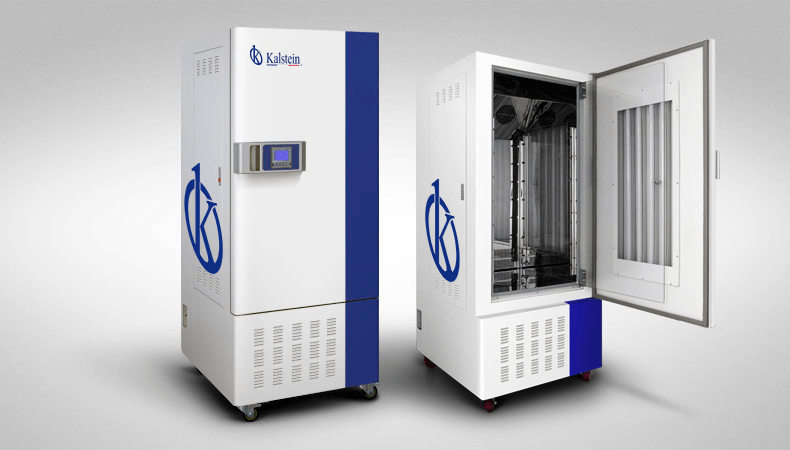
Predictive Maintenance and Recommended Calibration for Artificial Climate Chambers in 2026
Artificial climate chambers play a pivotal role in various laboratory settings, offering controlled environments for biological tissues, plant cultivation, and cell cultures. As the demand for precision and reliability rises, especially in 2026, the focus on predictive maintenance and recommended calibration becomes increasingly important. This article aims to explore the best practices, compare available models, and address common pitfalls in maintaining and calibrating artificial climate chambers.
Understanding Predictive Maintenance in Artificial Climate Chambers
Predictive maintenance refers to the use of data analysis tools and techniques to determine the condition of equipment and predict when maintenance should be performed. This approach minimizes unplanned downtime, which is critical in laboratories where consistent environmental conditions are necessary.
Importance of Predictive Maintenance
Implementing predictive maintenance strategies can significantly enhance the lifespan and performance of artificial climate chambers. It reduces the risk of equipment failure, ensuring that experiments are not compromised by unexpected environmental changes.
Key Performance Indicators (KPIs)
Monitoring KPIs such as Mean Time Between Failures (MTBF) and Mean Time to Repair (MTTR) can provide insights into the efficiency of maintenance practices. Regular analysis of these metrics will help laboratories optimize their maintenance schedules and reduce operational costs.
Recommended Calibration Practices
Calibration is essential for maintaining the accuracy and reliability of artificial climate chambers. Regular calibration ensures that temperature, humidity, and light levels remain within specified limits, which is crucial for experimental integrity.
Calibration Intervals
It is advisable to establish a calibration schedule based on the frequency of use and the specific requirements of experiments. For instance, chambers used for sensitive biological experiments may require monthly calibration, while others might only need quarterly checks.
Traceable Standards
Using traceable calibration standards ensures compliance with regulatory requirements and enhances the reliability of experimental results. Laboratories should maintain documentation to demonstrate adherence to calibration protocols.
Comparison of Available Models
| Model | Temperature Range (°C) | Humidity Range (%) | Price (USD) | Best for |
|---|---|---|---|---|
| YR05347 | 10~65 (with lighting), 0~60 (without lighting) | 50~90 | 2745.00 | Biological tissues and plant cultivation |
| YR05348 | 10~65 (with lighting), 0~60 (without lighting) | 50~90 | 3060.00 | Long-term cultural experiments |
| YR05349 | 10~65 (with lighting), 0~60 (without lighting) | 50~90 | 3420.00 | Cell culture and small animal feeding |
Common Mistakes and How to Avoid Them
Laboratories often encounter several pitfalls regarding maintenance and calibration of artificial climate chambers. Understanding these common mistakes can help in ensuring optimal performance.
Neglecting Regular Maintenance
One of the most frequent mistakes is the neglect of regular maintenance checks. Implementing a structured maintenance schedule can mitigate this issue and enhance the reliability of climate chambers.
Inconsistent Calibration Practices
Inconsistent calibration can lead to significant discrepancies in experimental results. Establishing a clear calibration protocol and adhering to it meticulously will help maintain accuracy.
Frequently Asked Questions
What are the recommended calibration practices for artificial climate chambers in 2026?
Recommended calibration practices for artificial climate chambers in 2026 include establishing a routine schedule based on usage frequency, employing traceable standards for accuracy, and maintaining detailed documentation of all calibration activities.
How often should artificial climate chambers be calibrated for best results?
For optimal results, artificial climate chambers should be calibrated monthly for sensitive applications, while less critical uses may only require calibration every three months, ensuring compliance with industry standards.
Which model of artificial climate chamber is best for cell culture applications in 2026?
The YR05349 model is ideal for cell culture applications, offering a temperature range of 10~65 °C and humidity control of 50~90%, ensuring optimal conditions for cell growth and experiment reliability.
What KPIs should laboratories monitor for predictive maintenance of climate chambers?
Laboratories should monitor KPIs such as Mean Time Between Failures (MTBF) and Mean Time to Repair (MTTR) to evaluate the effectiveness of predictive maintenance strategies and reduce equipment downtime.
How can predictive maintenance improve the lifespan of artificial climate chambers?
Predictive maintenance improves the lifespan of artificial climate chambers by identifying potential failures before they occur, thus allowing timely interventions that prevent damage and maintain operational efficiency.
What is the importance of using traceable standards in calibration?
Using traceable standards in calibration is crucial as it ensures compliance with regulatory requirements and enhances the reliability of experimental data, providing confidence in the results obtained from the climate chamber.
How does regular maintenance impact the performance of artificial climate chambers?
Regular maintenance significantly impacts the performance of artificial climate chambers by ensuring that all components are functioning correctly, thereby maintaining stable environmental conditions essential for accurate experimental results.
What are the top features to consider when selecting an artificial climate chamber?
When selecting an artificial climate chamber, consider features such as temperature and humidity control ranges, energy efficiency, size, and any specific capabilities required for your laboratory applications to meet your research needs.
If you are looking for a fusion of innovation and quality, you have come to the right place. At Kalstein, we offer you the luxury of exploring our exclusive catalog of laboratory equipment. We manufacture every device to the highest standards of excellence. Our intuitive and seamless online purchasing channels are designed for your convenience, securing the most competitive prices. Hesitate no longer — we bring science to life, it is time to become part of our community.