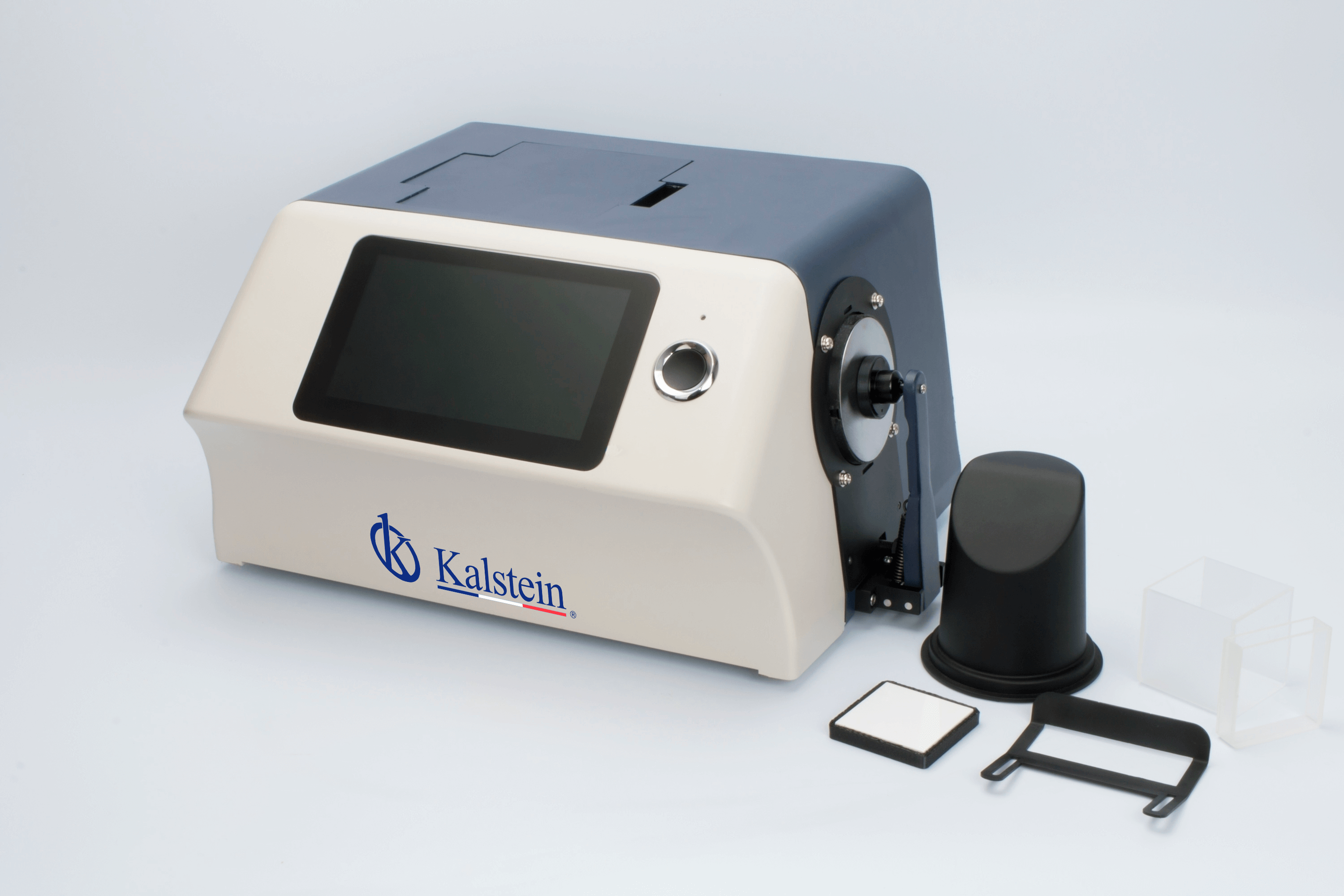
Predictive Maintenance and Recommended Calibration for Benchtop Spectrophotometers
In laboratories, benchtop spectrophotometers play a crucial role in measuring the color and transmitance of samples. To ensure these devices remain accurate and reliable, implementing predictive maintenance and adhering to a recommended calibration schedule is essential. This article discusses the importance of these practices, compares various models, and provides insights into maintaining optimal performance in lab environments.
Understanding Predictive Maintenance in Spectrophotometers
Predictive maintenance is a proactive approach to ensuring the reliability of benchtop spectrophotometers. By utilizing various monitoring techniques, laboratories can predict equipment failures before they occur. This strategy not only reduces downtime but also extends the lifespan of the instruments. Conditions such as temperature, humidity, and operational wear are crucial factors monitored to predict the need for maintenance.
For instance, implementing continuous monitoring systems allows for real-time data gathering, which helps in assessing the device's performance. By analyzing this data, laboratories can develop a maintenance schedule tailored to their specific needs, preventing unexpected breakdowns and ensuring consistent measurement accuracy.
Recommended Calibration Practices for Benchtop Spectrophotometers
Regular calibration of benchtop spectrophotometers is vital to maintain measurement precision and meet compliance standards. Laboratories should establish a calibration schedule based on the manufacturer's recommendations and the frequency of use. Calibration ensures that any drift in measurement due to environmental changes or component wear is corrected.
Each model may have specific requirements regarding calibration intervals. For example, using traceable standards during calibration is critical for compliance with industry standards such as ISO 17025. This compliance not only enhances the reliability of results but also assures stakeholders of the data's accuracy.
Comparison of Available Models
| Model | Price (USD) | Calibration Interval (Months) | Best for |
|---|---|---|---|
| YR05474 | 6430.00 | 12 | Color analysis in R&D |
| YR05475 | 4695.00 | 12 | Laboratory color analysis |
| YR05476 | 6430.00 | 12 | Color measurement in R&D |
| YR05477 | 4695.00 | 12 | Reflectance and transmittance analysis |
| YR05478 | 4445.00 | 12 | Quality control in various industries |
| YR05482 | 4950.00 | 12 | Non-contact measurement applications |
Common Mistakes and How to Avoid Them
One common mistake in laboratory settings is neglecting the calibration schedule of benchtop spectrophotometers. Laboratories often underestimate the impact of uncalibrated equipment on data integrity. Additionally, failing to document calibration procedures can lead to compliance issues. To avoid these pitfalls, establish clear protocols for regular calibration and ensure all maintenance activities are well-documented.
Another mistake is not leveraging technology for predictive maintenance. Relying solely on manual checks can lead to missed opportunities for timely maintenance. Implementing automated monitoring tools can enhance the reliability of your spectrophotometers and ensure consistent performance.
The Role of Environmental Factors in Calibration
Environmental factors such as temperature and humidity can significantly affect the performance of benchtop spectrophotometers. Regular calibration should account for these conditions, as they can cause fluctuations in measurement accuracy. Properly controlling laboratory conditions can minimize the need for frequent recalibration and ensure more stable results.
For example, the YR05478 model, designed for quality control in various industries, performs optimally in controlled environments, making it essential to monitor and adjust laboratory conditions accordingly.
Optimizing Calibration Intervals for Different Models
Each model of benchtop spectrophotometer may have different optimal calibration intervals based on their specifications and usage patterns. For example, the YR05476 and YR05474 models, with their advanced features, may require less frequent calibration compared to basic models, especially if they are used in high-accuracy applications.
To determine the best calibration interval, analyze the operational demands and the results of previous calibration checks. By doing so, laboratories can optimize maintenance schedules to minimize downtime and maximize productivity.
Improving Laboratory Efficiency through Predictive Maintenance
Implementing predictive maintenance strategies can significantly enhance laboratory efficiency. By forecasting potential failures, laboratories can schedule maintenance during non-peak times, reducing disruptions to workflow. This proactive approach not only saves time but also contributes to more reliable results.
The YR05475 model, known for its reliability in laboratory settings, is a prime example of how predictive maintenance can benefit operations. Regular monitoring and timely maintenance ensure that it delivers accurate measurements, which is critical for laboratory output.
Frequently Asked Questions
What are the ideal calibration intervals for benchtop spectrophotometers?
Calibration intervals for benchtop spectrophotometers typically range from 6 to 12 months, depending on the model and usage. For example, the YR05474 model recommends a 12-month calibration schedule to maintain accuracy.
How does predictive maintenance affect the reliability of benchtop spectrophotometers?
Predictive maintenance enhances reliability by forecasting potential failures, allowing laboratories to perform maintenance before issues arise. This is particularly important for models like YR05482, which are used in sensitive applications.
Which benchtop spectrophotometer model is best for quality control?
The YR05478 model is regarded as the best for quality control in various industries due to its precision and capability to measure a variety of samples accurately.
How can environmental factors impact the calibration of spectrophotometers?
Environmental factors such as temperature and humidity can affect measurement accuracy, making it essential to calibrate under controlled conditions. This is crucial for models like YR05476, which are sensitive to such changes.
What documentation is required for calibration compliance?
Documentation should include calibration dates, results, standards used, and any maintenance performed. This is vital for compliance with ISO 17025, ensuring that models such as YR05475 meet industry standards.
How can I optimize the maintenance schedule for my spectrophotometer?
Analyzing historical performance data and calibration results can help determine the optimal maintenance schedule. For instance, the YR05477 model's data can guide you in aligning maintenance activities with operational demands.
What are the benefits of using automated monitoring for spectrophotometer maintenance?
Automated monitoring allows for real-time performance tracking, enabling proactive maintenance decisions. Instruments like the YR05482 benefit from this technology by ensuring consistent performance and reducing downtime.
How do I choose the right benchtop spectrophotometer for my laboratory's needs?
Consider factors such as the application, required accuracy, and frequency of use when selecting a spectrophotometer. The YR05474 model is excellent for R&D, while the YR05478 is suitable for quality control.
If you are looking for a fusion of innovation and quality, you have come to the right place. At Kalstein, we offer you the luxury of exploring our exclusive catalog of laboratory equipment. We manufacture every device to the highest standards of excellence. Our intuitive and seamless online purchasing channels are designed for your convenience, securing the most competitive prices. Hesitate no longer — we bring science to life, it is time to become part of our community.