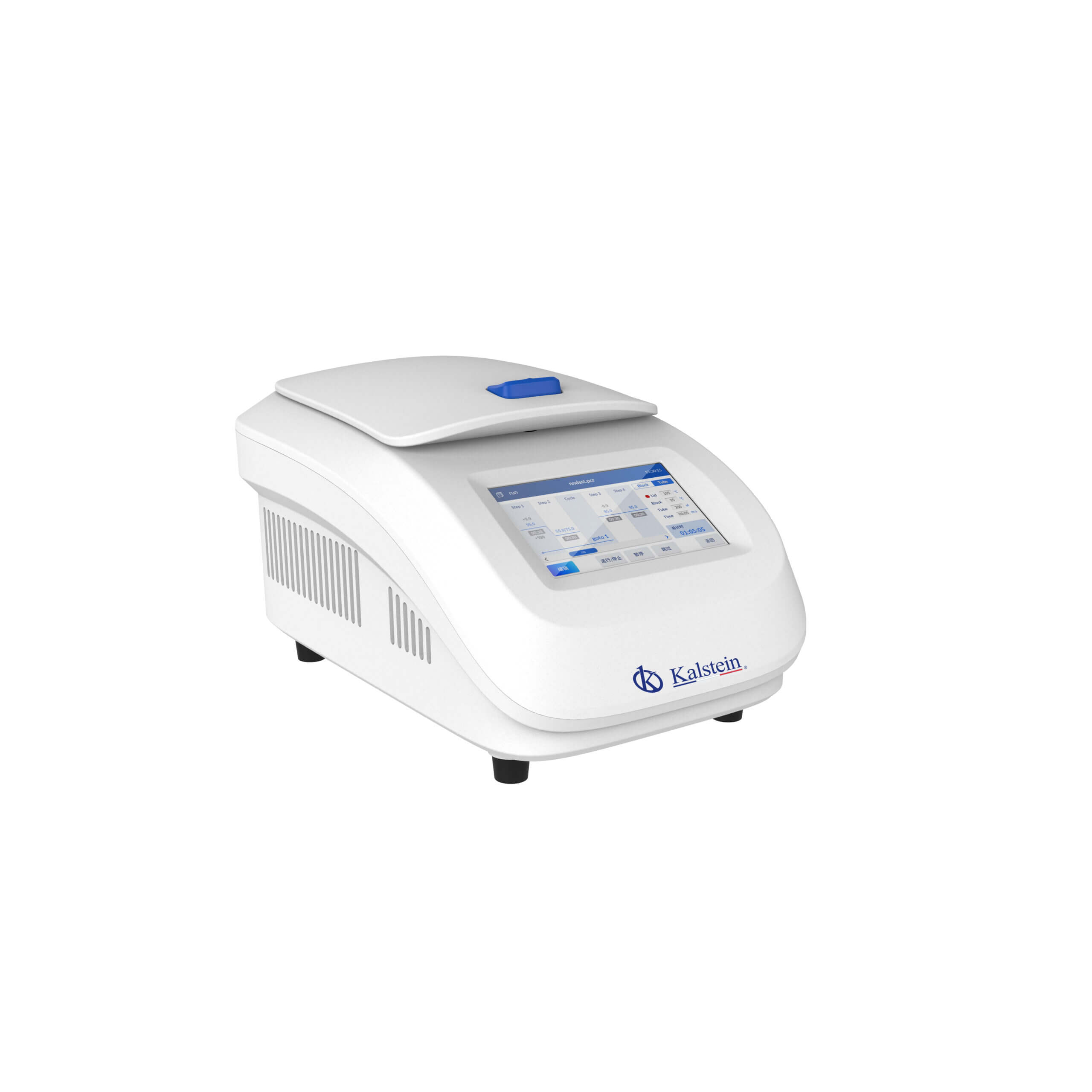
Understanding Predictive Maintenance and Recommended Calibration for Biochemical BOD Incubators
Biochemical BOD incubators are critical components in laboratory settings, particularly for tasks requiring precise temperature control during sample analysis. This article will delve into the importance of predictive maintenance and calibration for these incubators, discussing various models, their functionalities, and their applications in maintaining consistent performance.
The Importance of Predictive Maintenance and Calibration
Predictive maintenance is a proactive approach that allows laboratories to anticipate equipment failures before they occur, ensuring optimal performance and minimizing downtime. Calibration, on the other hand, is essential for verifying the accuracy of incubators, which is crucial for experimental integrity. Together, these practices enhance the reliability of Biochemical BOD incubators, which are widely used for biochemical oxygen demand tests, sample preservation, and protein denaturation processes.
Key Features of Biochemical BOD Incubators
Biochemical BOD incubators like the Heated Lid Dry Bath Incubator YR05889 and YR05890, as well as the Mini Dry Bath Incubator models, are designed with advanced features that cater to various laboratory needs. The heated lid function in these models provides effective temperature regulation, making them suitable for a range of applications, including DNA amplification and serum coagulation.
Models Overview and Application
Several models of Biochemical BOD incubators are available, each offering unique features suited for different laboratory environments:
- Heated Lid Dry Bath Incubator YR05889: Known for its excellent temperature control due to semiconductor technology, this model can heat and cool samples, making it ideal for DNA amplification and protein treatment.
- Heated Lid Dry Bath Incubator YR05890: Similar to YR05889, this model also offers versatile temperature control and is suitable for various applications, including sample preservation.
- Mini Dry Bath Incubator YR05891: Designed for portability and rapid testing, this incubator is commonly used in small labs and for quick inspection kits. It features a built-in alarm system for enhanced safety.
- Mini Dry Bath Incubator YR05892: Offers similar capabilities to YR05891 with added features for versatility in temperature control.
- Mini Dry Bath Incubator YR05893: Tailored for efficient performance in small settings, it provides easy interchangeability of heating blocks.
- Dry Bath Incubator YR05894: This model is a microcomputer-controlled incubator that ensures high-precision heating suitable for various biochemical applications.
Comparison of Available Models
| Model | Temperature Range | Heating Rate | Features | Best For |
|---|---|---|---|---|
| YR05889 | RT -25℃ to 100℃ | ≥ 7℃/min | Heated lid, small design | DNA amplification |
| YR05890 | RT +5℃ to 100℃ | ≥ 7℃/min | Heated lid, versatile | Sample preservation |
| YR05891 | RT +5℃ to 100℃ | ≤ 15m | Palm-sized, easy to use | Small lab inspections |
| YR05892 | RT +5℃ to 100℃ | ≤ 15m | Portable, easy to change blocks | Quick tests |
| YR05893 | RT +5℃ to 100℃ | ≤ 15m | Efficient design | Rapid sample testing |
| YR05894 | RT +5℃ to 105℃ | ≤ 10m | Microcomputer controlled | Biochemical applications |
Common Mistakes and How to Avoid Them
Laboratory professionals often make mistakes when maintaining Biochemical BOD incubators. One common error is neglecting regular calibration, which can lead to inaccurate results. To avoid this, establish a routine calibration schedule based on the specific model's requirements, such as those for the YR05889 and YR05890, which should be calibrated every three months. Another mistake is failing to monitor environmental conditions, which can affect incubator performance. Ensure that the incubator is placed in a stable environment away from temperature fluctuations.
Best Practices for Predictive Maintenance
Implementing a predictive maintenance program includes several best practices. First, conduct regular performance assessments focusing on temperature accuracy and uniformity. For example, the YR05894 model, with its high precision features, should undergo checks every 30 days. Additionally, maintaining a detailed log of maintenance activities can help track performance trends and anticipate potential failures.
Understanding Calibration Intervals
Calibration intervals depend on the usage of the incubator and the specific model. For instance, the Heated Lid Dry Bath Incubator YR05889 may require more frequent calibration if used daily for critical applications. A general guideline is to calibrate every three months, but labs should adjust based on usage frequency and the results of previous calibrations.
Frequently Asked Questions
What are the recommended calibration intervals for Biochemical BOD incubators?
The recommended calibration intervals for Biochemical BOD incubators like the YR05889 and YR05890 are typically every three months. This ensures optimal performance and accuracy in temperature control, critical for laboratory processes.
How can predictive maintenance improve the lifespan of my incubator?
Predictive maintenance can significantly enhance the lifespan of incubators such as the Mini Dry Bath Incubator YR05891. By identifying potential issues early and addressing them proactively, labs can minimize downtime and extend the equipment's operational life.
Which model is best for DNA amplification in small labs?
The Heated Lid Dry Bath Incubator YR05889 is an excellent choice for DNA amplification in small labs due to its precise temperature control and fast heating rates, making it efficient for various molecular biology applications.
How does temperature accuracy affect Biochemical BOD tests?
Temperature accuracy is crucial for Biochemical BOD tests. Models like the YR05894 provide high precision, ensuring that temperatures remain stable throughout the testing process, which significantly impacts the reliability of results.
What features should I look for in a mini dry bath incubator?
When selecting a mini dry bath incubator, such as the YR05891 or YR05892, look for features like easy block interchangeability, built-in alarms for temperature deviations, and compact size for portability, which make them ideal for quick testing scenarios.
How do I establish a predictive maintenance plan for my incubator?
To create a predictive maintenance plan, start by scheduling regular performance assessments, such as temperature checks for models like YR05890, and maintain logs to track performance. This helps identify patterns and potential failure points early.
What is the impact of environmental conditions on incubator performance?
Environmental conditions can significantly impact incubator performance. Placing models like the Mini Dry Bath Incubator YR05893 in stable environments away from temperature fluctuations ensures consistent results and prolongs equipment life.
If you are looking for a fusion of innovation and quality, you have come to the right place. At Kalstein, we offer you the luxury of exploring our exclusive catalog of laboratory equipment. We manufacture every device to the highest standards of excellence. Our intuitive and seamless online purchasing channels are designed for your convenience, securing the most competitive prices. Hesitate no longer — we bring science to life, it is time to become part of our community.