How to Implement Predictive Maintenance and Recommended Calibration for Chemical Analyzers
In the realm of laboratory equipment, chemical analyzers hold a pivotal role in delivering accurate and reliable results. However, to maintain their performance, implementing predictive maintenance and adhering to recommended calibration practices is essential. This article delves into the best practices for ensuring your chemical analyzers operate at peak efficiency while meeting industry standards.
Understanding Predictive Maintenance in Chemical Analyzers
Predictive maintenance leverages data analytics to anticipate equipment failures before they occur. In the context of chemical analyzers, this approach can significantly reduce downtime and repair costs. By monitoring key performance indicators (KPIs) such as Mean Time Between Failures (MTBF) and Mean Time to Repair (MTTR), laboratory professionals can make informed decisions regarding maintenance schedules.
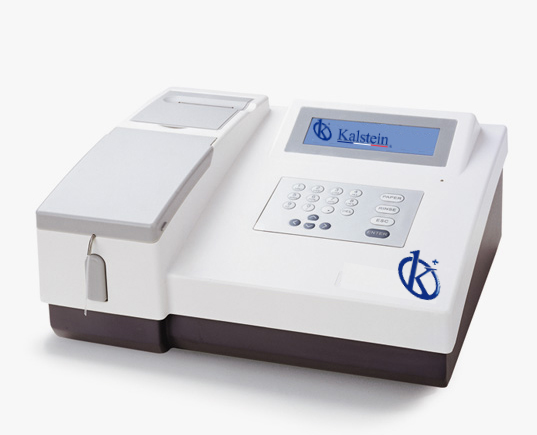
Implementing predictive maintenance requires integrating sensors and data collection tools into your chemical analyzers. For instance, the Semi-automatic Chemistry Analyzer YR05115 is equipped with features that allow for real-time data monitoring, enabling laboratories to track the performance and predict potential failures.
Importance of Regular Calibration
Calibration ensures that chemical analyzers provide accurate results aligned with specified standards. Regular calibration not only complies with ISO/IEC 17025 requirements but also enhances the reliability of laboratory results. Each type of analyzer may have specific calibration intervals; thus, understanding the unique requirements for each model is crucial.
Calibration Best Practices for Chemical Analyzers
When calibrating chemical analyzers, it's important to follow a systematic approach that includes using traceable standards, documenting results, and setting clear calibration intervals. For example, the Portable Chemical Analyzer YR06092 can be calibrated using reference materials to ensure accuracy across its operational range. Regular calibration schedules should be established based on usage frequency and manufacturer recommendations.
Comparison of Available Models
| Model | Calibration Frequency | Maintenance Needs | Best For |
|---|---|---|---|
| YR05115 | Monthly | Low | Routine Testing |
| YR05114 | Quarterly | Moderate | Comprehensive Analyses |
| YR06092 | Monthly | Low | Field Deployments |
| YR06075 | Bi-Annually | High | High Throughput |
| YR05116 | Monthly | Moderate | General Laboratory Use |
| YR06078 | Bi-Annually | Low | Small Labs |
Common Mistakes and How to Avoid Them
Laboratory professionals often make several common mistakes when it comes to maintaining and calibrating chemical analyzers. One prevalent error is neglecting to document maintenance activities and calibration results. This oversight can lead to compliance issues and unreliable data.
Another mistake is failing to follow the manufacturer's calibration schedules. Each model, such as the Automatic Chemistry Analyzer YR06075, has specific requirements that must be adhered to for optimal performance. Regular training for lab personnel on these protocols can mitigate such errors.
Factors Influencing Calibration Frequency
Calibration frequency can be influenced by various factors, including the type of tests performed, the environment in which the analyzer operates, and the volume of samples processed. For instance, analyzers like the Semi-automatic Chemistry Analyzer YR05114, which are used in high-demand settings, may require more frequent calibration compared to others.
Data Management and Predictive Analytics
Data management systems play a crucial role in predictive maintenance. By employing advanced software solutions, laboratories can analyze historical performance data and predict future maintenance needs. This proactive approach not only minimizes downtime but also enhances the lifespan of chemical analyzers.
Setting Up a Calibration Plan
A well-defined calibration plan includes delineating responsibilities, scheduling regular calibration checks, and maintaining records. For example, a laboratory using the Semi-Automatic Chemistry Analyzer YR06078 should establish a timeline for monthly calibration while ensuring that the staff is trained to conduct these tasks consistently.
Frequently Asked Questions
What are the recommended calibration intervals for chemical analyzers in 2023?
Calibration intervals for chemical analyzers vary by model. For example, the Semi-automatic Chemistry Analyzer YR05115 is typically calibrated monthly, while others like the YR06075 may have bi-annual schedules. Adhering to these recommendations ensures compliance with industry standards.
How can predictive maintenance extend the life of a chemical analyzer?
Predictive maintenance can extend the life of chemical analyzers by identifying potential failures before they occur. For instance, the Portable Chemical Analyzer YR06092 uses real-time data monitoring to alert operators about maintenance needs, thus preventing costly repairs.
Which calibration methods are most effective for chemical analyzers?
Effective calibration methods for chemical analyzers include using peer-reviewed reference materials and following a documented procedure. The Automatic Chemistry Analyzer YR06075 benefits from such practices to maintain accuracy and reliability in its results.
How does environmental humidity affect chemical analyzer calibration?
High humidity levels can adversely affect the calibration of chemical analyzers, potentially leading to inaccurate results. Models like the Semi-Automatic Chemistry Analyzer YR06078 should be used in controlled environments to mitigate these effects and ensure consistent performance.
What role does a calibration plan play in maintaining ISO compliance?
A calibration plan plays a crucial role in maintaining ISO compliance by documenting calibration activities and ensuring that all equipment is functioning within specified limits. For example, the Semi-Automatic Chemistry Analyzer YR05116 follows a rigorous plan to ensure it meets ISO standards.
How can I integrate predictive maintenance in my laboratory strategy?
Integrating predictive maintenance involves utilizing data analytics tools to monitor equipment health continuously. For instance, using sensors with the YR05115 can help predict maintenance needs, reducing unexpected downtimes significantly.
What are the financial implications of not calibrating chemical analyzers?
Neglecting calibration can lead to inaccurate results, affecting lab credibility and possibly resulting in financial losses. The YR06075's high operational costs make it imperative to maintain a regular calibration schedule to avoid expensive repercussions.
How can a laboratory ensure effective training on calibration procedures?
Effective training on calibration procedures can be ensured by conducting regular workshops and providing accessible resources. For instance, staff handling the YR06092 should be trained on the specific calibration requirements to maintain the analyzer's performance.
If you are looking for a fusion of innovation and quality, you have come to the right place. At Kalstein, we offer you the luxury of exploring our exclusive catalog of laboratory equipment. We manufacture every device to the highest standards of excellence. Our intuitive and seamless online purchasing channels are designed for your convenience, securing the most competitive prices. Hesitate no longer — we bring science to life, it is time to become part of our community.