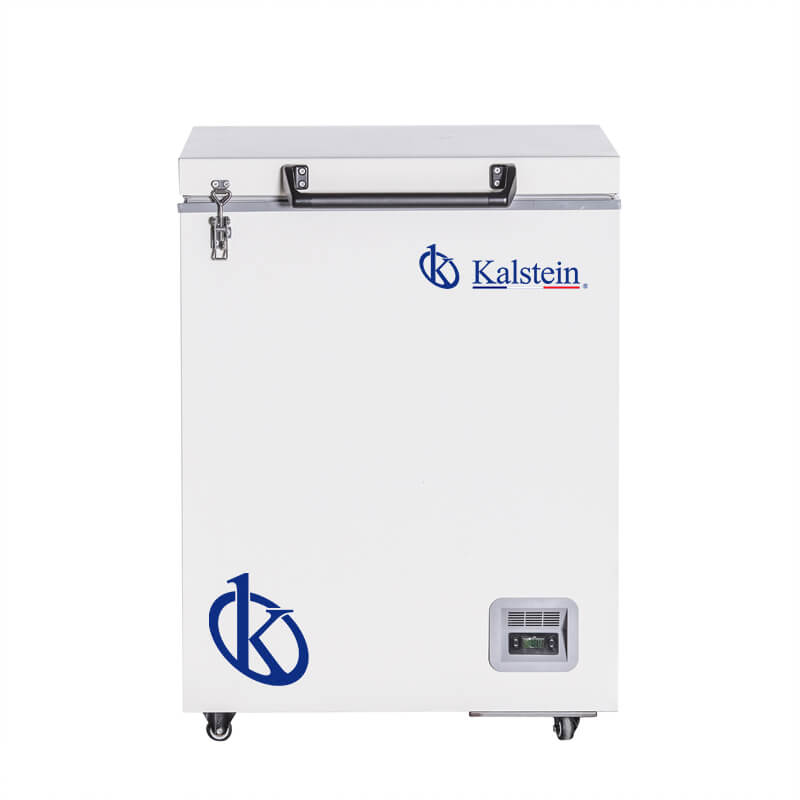
How to Implement Predictive Maintenance and Periodic Calibration for Chest Freezers
In laboratory settings, chest freezers are essential for preserving biological samples, pharmaceuticals, and other sensitive materials. However, maintaining optimal performance and reliability is crucial for safeguarding these valuable items. This article focuses on the importance of predictive maintenance and periodic calibration for chest freezers, specifically addressing various models and their effectiveness in meeting these goals.
The Importance of Predictive Maintenance in Chest Freezers
Predictive maintenance is a proactive approach designed to forecast equipment failures before they occur. In the context of chest freezers, this approach entails monitoring performance indicators, using analytics, and employing condition-based maintenance strategies. By integrating predictive maintenance, laboratories can enhance their operational efficiency and reduce unplanned downtime, leading to significant cost savings.
Periodic Calibration of Chest Freezers
Calibration is essential to ensure that chest freezers maintain their specified temperature ranges. Regular calibration of temperature controls verifies that samples are stored under optimal conditions. This process involves using standardized thermometers and performing checks against known reference points. It is crucial for compliance with industry regulations and standards.
Comparison of Available Models
| Model | Temperature Range (°C) | Power Consumption (kWh/24h) | Best Use Case |
|---|---|---|---|
| YR05102 | -10 to -40 | 1.65 | General laboratory use |
| YR05103 | -10 to -40 | 1.68 | Storage of sensitive biological specimens |
| YR05104 | -20 to -40 | 3.45 | Long-term storage of vaccines |
| YR05314 | -40 to -86 | 11.5 | Ultra-low temperature applications |
| YR05313 | -40 to -86 | 3.8 | Compact ultra-low storage |
| YR05315 | -25 to -60 | 3.2 | Biomedical storage for vaccines |
Common Mistakes and How to Avoid Them
In the realm of chest freezer maintenance, several pitfalls can lead to operational inefficiencies. One common mistake is neglecting regular temperature monitoring, which can result in spoilage or degradation of stored materials. Another error includes using non-certified calibration methods that do not adhere to industry standards. To avoid these issues, laboratories should implement a robust maintenance schedule that includes both predictive maintenance and regular calibration checks.
Failure Modes in Chest Freezers
Understanding potential failure modes in chest freezers can enhance predictive maintenance strategies. Typical failure modes include compressor failure, sensor malfunctions, and door seal degradation. By utilizing temperature monitoring systems that trigger alerts for temperature deviations, laboratories can prevent catastrophic failures and maintain sample integrity.
Calibration Intervals and Standards
Calibration intervals for chest freezers typically vary based on usage and environmental conditions. As a guideline, freezers should ideally be calibrated every six months or after any significant repair. Laboratories should reference ISO 17025 standards to implement traceable calibration practices that ensure accuracy and compliance.
Key Performance Indicators (KPIs) for Predictive Maintenance
Monitoring KPIs is essential for evaluating the success of predictive maintenance strategies. Key metrics include Mean Time Between Failures (MTBF), Mean Time To Repair (MTTR), and the frequency of calibration events. By analyzing these metrics, laboratories can fine-tune maintenance schedules and reduce downtime.
Energy Consumption and Sustainability Considerations
Chest freezers consume a significant amount of energy, making sustainability a critical factor in laboratory design. Models such as the YR05104 and YR05103 offer energy-efficient features that optimize power consumption while ensuring reliable performance. When evaluating models, consider their energy consumption profiles in kWh per day to minimize operational costs.
Frequently Asked Questions
How often should I calibrate my chest freezer for optimal performance?
Calibration for chest freezers, such as the YR05102, should typically occur every six months to ensure accurate temperature readings and compliance with standards like ISO 17025. Regular checks help maintain sample integrity and prevent spoilage.
What is the advantage of predictive maintenance for chest freezers?
Predictive maintenance for models like the YR05314 enables laboratories to anticipate equipment failures, reducing unexpected downtime. This approach is cost-effective and enhances operational efficiency by scheduling maintenance only when necessary.
Which chest freezers are best for ultra-low temperature applications?
For ultra-low temperature storage, the YR05314 and YR05313 are excellent choices, offering temperature ranges from -40 to -86 °C. Their robust design ensures reliable storage conditions for sensitive materials.
How can I ensure compliance with industry standards for my chest freezer?
Compliance can be achieved by calibrating your chest freezer, such as the YR05103, according to ISO 17025 standards. Regular monitoring and maintenance are critical to meeting regulatory requirements.
What are the energy efficiency benefits of modern chest freezers?
Modern chest freezers, like the YR05102, feature enhanced energy efficiency, which reduces operational costs. Understanding their energy consumption in kWh helps labs make informed purchasing decisions and promote sustainability.
What techniques can I use for effective preventive maintenance?
Implementing a planned preventive maintenance schedule, including regular calibration and monitoring, is crucial. For instance, using the YR05104, perform routine checks to identify potential failures early, minimizing risks.
How does temperature control affect sample storage in chest freezers?
Temperature control is vital for preserving sample integrity in freezers like the YR05315. Accurate calibration ensures that stored materials remain viable, preventing degradation and potential loss of valuable samples.
What are the common failure modes in chest freezers?
Common failure modes in chest freezers, including compressor failures and sensor malfunctions, can be mitigated with predictive maintenance strategies. Regular checks on models like the YR05103 help identify issues before they escalate.
If you are looking for a fusion of innovation and quality, you have come to the right place. At Kalstein, we offer you the luxury of exploring our exclusive catalog of laboratory equipment. We manufacture every device to the highest standards of excellence. Our intuitive and seamless online purchasing channels are designed for your convenience, securing the most competitive prices. Hesitate no longer — we bring science to life, it is time to become part of our community.