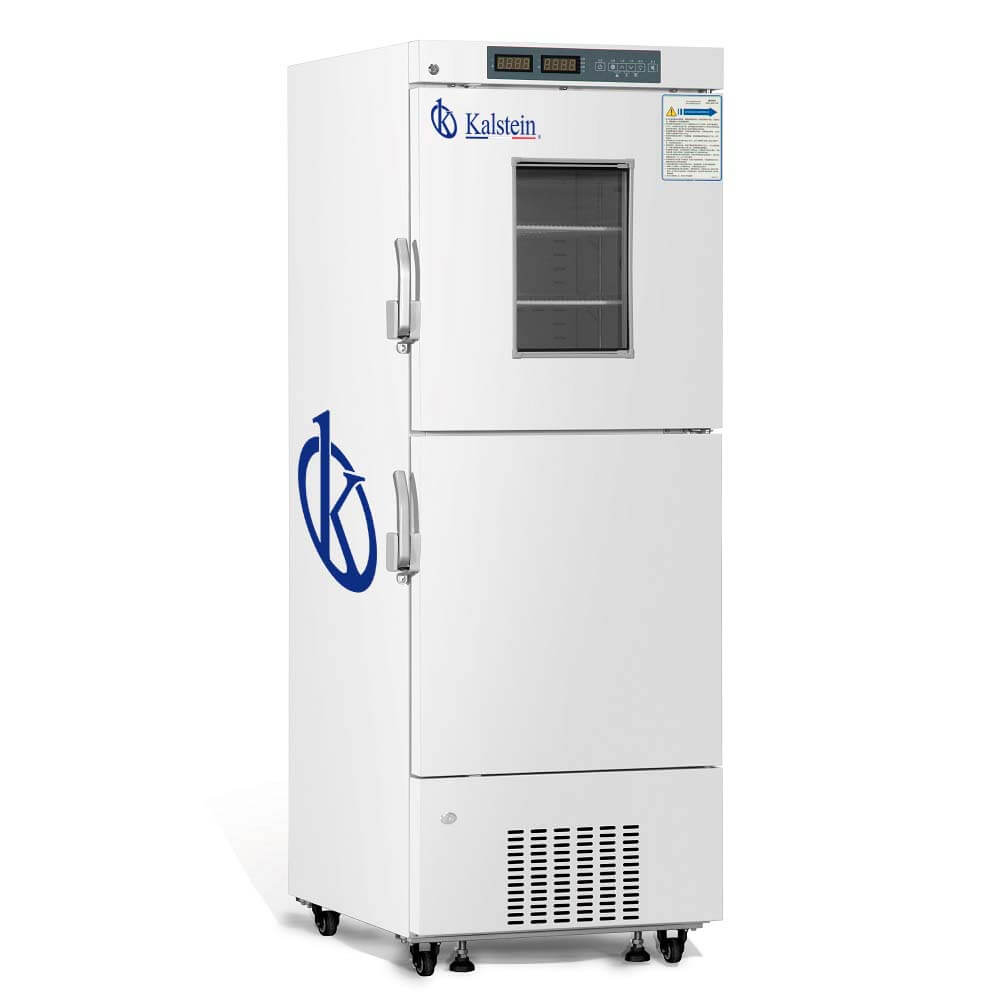
How to Implement Predictive Maintenance and Calibration for Combined Freezers
In the fast-paced world of laboratory environments, maintaining the functionality and reliability of equipment is critical. Combined freezers play an essential role in ensuring that biological materials are stored at optimal temperatures. This article examines the significance of predictive maintenance and periodic calibration of combined freezers to enhance overall laboratory efficiency.
Understanding Combined Freezers
Combined freezers are specialized refrigeration units that integrate both freezing and refrigeration capabilities. They are essential in various applications, from storing vaccines to preserving biological samples. Given the critical nature of their contents, ensuring the reliability and accuracy of these units is paramount, necessitating an effective predictive maintenance and calibration strategy.
Key Factors in Predictive Maintenance
Predictive maintenance (PdM) involves using data-driven insights to anticipate equipment failures before they occur. By monitoring performance metrics and implementing regular inspections, laboratories can minimize downtime and extend equipment life. Critical factors include:
- Performance Monitoring: Continuous assessment of temperature control and operational efficiency.
- Data Analysis: Utilizing historical data to identify trends and failure patterns.
- Sensor Calibration: Regular calibration of sensors to ensure accurate readings.
Calibration Protocols for Combined Freezers
Calibration is vital for maintaining the accuracy of temperature settings in combined freezers. Each model may have specific calibration requirements, which can include:
- Frequency: Recommended intervals for calibration, typically every 6 to 12 months.
- Methods: Techniques for calibration such as the ice point method or using certified calibration standards.
- Documentation: Maintaining records of calibration results and any adjustments made.
Benefits of Predictive Maintenance and Calibration
Implementing effective predictive maintenance and calibration strategies can lead to significant benefits, such as:
- Increased reliability and operational efficiency of combined freezers.
- Reduction in operational costs by avoiding unplanned maintenance and equipment failures.
- Enhanced compliance with regulatory standards for laboratory operations.
Comparison of Available Models
| Model | Cooling Method | Temperature Range | Best Suited For |
|---|---|---|---|
| YR05320 | Direct Cooling | -20℃ to -40℃ | Pharmacy Storage |
| YR05321 | Direct Cooling | -10℃ to -25℃ | Blood Stations |
| YR05321-1 | Direct Cooling | 2℃ to 8℃ (Upper), -10℃ to -25℃ (Lower) | Laboratory Use |
Common Mistakes and How to Avoid Them
Laboratories often overlook critical aspects of maintenance and calibration. Common mistakes include:
- Neglecting routine inspections and performance checks.
- Failing to document calibration results leading to compliance issues.
- Using non-certified standards for calibration.
Implementing a Calibration Schedule
Establishing a calibration schedule is crucial for maintaining the accuracy of temperature controls in combined freezers. A recommended schedule may encompass:
| Interval | Action | Responsible Party |
|---|---|---|
| Monthly | Visual Inspection | Lab Technician |
| 6 Months | Temperature Calibration | Quality Control |
| Annually | Comprehensive Maintenance | Facilities Management |
Frequently Asked Questions
How often should predictive maintenance be performed on combined freezers?
Predictive maintenance should be performed quarterly for combined freezers, ensuring that models like YR05320 and YR05321 maintain optimal performance levels, preventing failures before they occur.
What calibration standards are recommended for combined freezers?
For combined freezers, using certified calibration standards is recommended. Models such as YR05321-1 should be calibrated at least every six months to ensure accurate temperature readings and compliance.
How can I ensure the reliability of a combined freezer in my laboratory?
To ensure reliability, implement a predictive maintenance schedule focusing on models like YR05320, which includes regular performance checks, sensor calibrations, and documentation of maintenance activities.
What are the risks of not calibrating combined freezers?
Failing to calibrate combined freezers can lead to temperature inconsistencies, which can compromise sample integrity. Models like YR05321 could experience increased downtime and compliance issues without regular calibration.
How does predictive maintenance reduce costs in laboratory settings?
Predictive maintenance reduces costs by identifying potential failures in advance, minimizing downtime, and extending equipment life, making it vital for models such as YR05321 and YR05321-1.
What features should I look for in a combined freezer for laboratory use?
Look for features such as dual cooling systems, energy efficiency, and independent temperature control in models like YR05321-1 to ensure reliability and meet laboratory standards.
How important is documentation in the maintenance of combined freezers?
Documentation is crucial for tracking maintenance history and ensuring compliance with regulations. For combined freezers like YR05320, it aids in maintaining standards and evaluating performance over time.
How can I optimize calibration for energy efficiency in combined freezers?
To optimize energy efficiency, ensure calibrated temperature settings are accurate for models such as YR05321-1, and regularly review performance metrics to identify areas for improvement.
If you are looking for a fusion of innovation and quality, you have come to the right place. At Kalstein, we offer you the luxury of exploring our exclusive catalog of laboratory equipment. We manufacture every device to the highest standards of excellence. Our intuitive and seamless online purchasing channels are designed for your convenience, securing the most competitive prices. Hesitate no longer — we bring science to life, it is time to become part of our community.