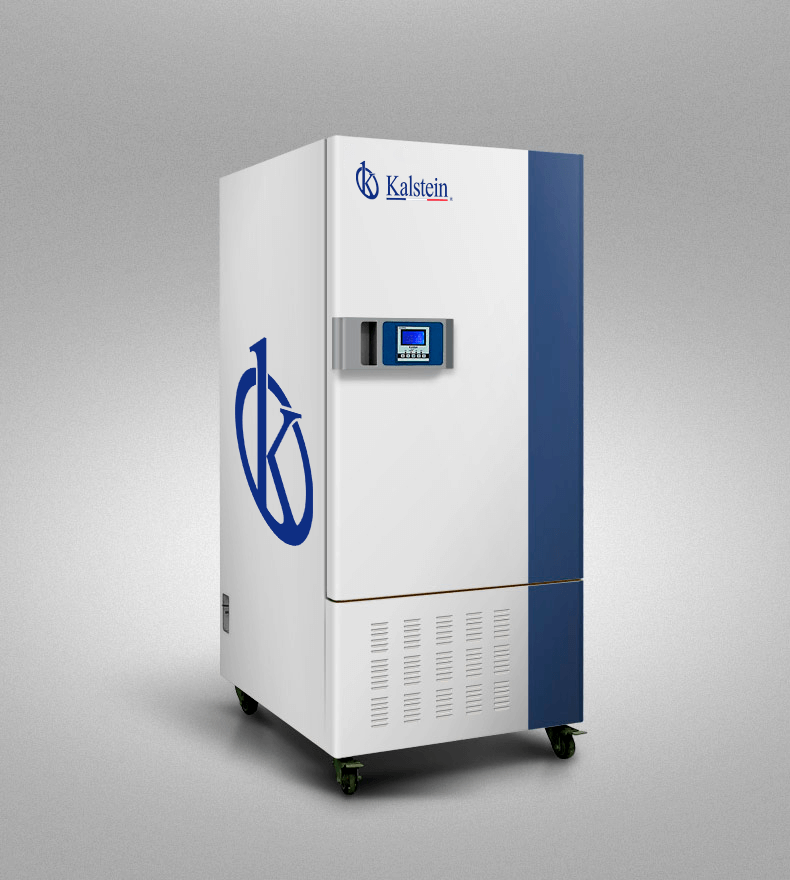
Predictive Maintenance and Recommended Calibration for Constant Temperature and Humidity Chambers
Constant temperature and humidity chambers are essential tools in many laboratories, ensuring environmental conditions that are optimal for experiments and sample preservation. Understanding the importance of predictive maintenance and establishing a calibration schedule is crucial for ensuring these chambers operate at peak efficiency. This article delves into various models of constant temperature and humidity chambers, focusing on their maintenance and calibration needs.
Understanding Predictive Maintenance in Constant Temperature and Humidity Chambers
Predictive maintenance refers to techniques designed to help determine the condition of in-service equipment to estimate when maintenance should be performed. This approach is beneficial for keeping constant temperature and humidity chambers functioning correctly. By monitoring the performance and conditions of these units, labs can avoid unexpected downtime that can disrupt research and testing processes.
For instance, using the YR05334 model chamber, laboratories can take advantage of its advanced LED display, which provides real-time monitoring of performance. This allows for immediate action if any parameters go outside their specified ranges, thereby preventing costly downtime.
Recommended Calibration Intervals for Constant Temperature and Humidity Chambers
Calibration is critical to maintaining the accuracy of measurements taken within constant temperature and humidity chambers. Regular calibration ensures that the chambers meet the specified standards, such as ISO 17025, which can greatly enhance the reliability of results. Generally, it's recommended to calibrate these chambers at least once a year, but more frequent calibration may be necessary depending on usage levels.
The YR05335 model is particularly well-suited for frequent calibration due to its adaptive temperature control system, which can quickly adjust to maintain accuracy. Laboratories should develop a calibration plan that includes specific timelines and protocols to ensure compliance and performance reliability.
Key Performance Indicators (KPIs) for Predictive Maintenance
Key Performance Indicators (KPIs) are essential for measuring the effectiveness of predictive maintenance strategies. Two critical KPIs for constant temperature and humidity chambers include Mean Time Between Failures (MTBF) and Mean Time To Repair (MTTR). Monitoring these indicators helps laboratories identify trends and improve their maintenance practices.
For example, the YR05336 model, known for its high safety standards and consistent performance, can significantly improve MTBF through its advanced technology, minimizing breakdowns and ensuring a steady operational environment.
Calibration Plan Template for Constant Temperature and Humidity Chambers
A calibration plan template helps standardize processes across laboratories. It should include the following elements: equipment identification, calibration frequency, methods, calibration standards, and documentation of calibration results.
For instance, in a laboratory using the YR05337 chamber, the calibration plan might specify annual checks for temperature accuracy, with a target fluctuation of within ±0.5°C at ranges from 10-40°C to ensure precise environmental control.
Comparison of Available Models
| Model Code | Temperature Range (°C) | Humidity Range (%) | Price (USD) | Best For |
|---|---|---|---|---|
| YR05334 | 0-60 | 40-95 | 1870.00 | Sample testing, long-term experiments |
| YR05335 | 0-60 | 40-95 | 2220.00 | Pharmaceutical research, plant cultivation |
| YR05336 | 0-60 | 40-95 | 3140.00 | Microorganism studies, shelf-life testing |
| YR05337 | 0-60 | 40-95 | 1900.00 | General laboratory research |
| YR05338 | 0-60 | 40-95 | 2250.00 | Experimental setups, environmental testing |
| YR05339 | 0-60 | 40-95 | 3180.00 | Advanced research projects |
Common Mistakes and How to Avoid Them
When it comes to maintaining and calibrating constant temperature and humidity chambers, several common mistakes can lead to errors and inefficiencies. One of the most frequent issues is neglecting regular calibration, which can result in inaccurate readings that compromise research outcomes.
Another mistake is failing to document maintenance activities and calibration results properly, which is crucial for compliance with standards like ISO 17025. It’s essential to keep precise records of calibration dates, results, and any adjustments made. Adopting a structured maintenance schedule can help mitigate these issues.
Frequently Asked Questions
What calibration intervals are recommended for constant temperature and humidity chambers?
For constant temperature and humidity chambers like the YR05334, it is generally recommended to perform calibration at least once a year. However, depending on the frequency of use and specific laboratory requirements, more frequent calibration may be warranted to ensure compliance with standards such as ISO 17025.
How does predictive maintenance enhance the performance of humidity chambers?
Predictive maintenance enhances the performance of humidity chambers, such as the YR05335, by monitoring equipment conditions in real time. This approach allows for timely interventions before failures occur, thus minimizing downtime and ensuring continuous operation within specified environmental parameters.
Which specifications should I check for constant temperature and humidity chambers?
When choosing constant temperature and humidity chambers, it is essential to check specifications such as temperature range, humidity range, and price. For example, the YR05336 model supports a temperature range of 0-60°C and humidity levels of 40-95%, making it suitable for various laboratory applications.
What impact does calibration have on laboratory compliance standards?
Calibration has a significant impact on laboratory compliance standards, especially for chambers like the YR05337. Regular calibration ensures that equipment meets accuracy requirements outlined in standards such as ISO 17025, thereby maintaining the reliability of experimental results and compliance with regulatory guidelines.
How can I improve my laboratory's maintenance strategy for temperature chambers?
Improving a laboratory's maintenance strategy for temperature chambers can be achieved by implementing a structured maintenance plan that includes regular checks, timely calibration, and documentation. Utilizing models like the YR05338, which feature advanced monitoring capabilities, can greatly enhance maintenance efficiency.
What are the benefits of using advanced temperature control systems in chambers?
Advanced temperature control systems, such as those found in the YR05339 model, provide enhanced stability and accuracy in maintaining desired conditions. This leads to improved experimental reproducibility and can facilitate compliance with stringent testing requirements in various laboratory settings.
How often should performance checks be conducted for constant humidity chambers?
Performance checks for constant humidity chambers should ideally be conducted monthly to ensure consistent operation. For instance, the YR05334 model's features allow for easy monitoring, ensuring that any deviations from set parameters are detected early, thus maintaining compliance and accuracy.
What are the key performance indicators for humidity chamber maintenance?
Key performance indicators (KPIs) for humidity chamber maintenance include Mean Time Between Failures (MTBF) and Mean Time To Repair (MTTR). By tracking these metrics for chambers like the YR05335, laboratories can optimize their maintenance schedules and reduce downtime.
If you are looking for a fusion of innovation and quality, you have come to the right place. At Kalstein, we offer you the luxury of exploring our exclusive catalog of laboratory equipment. We manufacture every device to the highest standards of excellence. Our intuitive and seamless online purchasing channels are designed for your convenience, securing the most competitive prices. Hesitate no longer — we bring science to life, it is time to become part of our community.